
Norway's Nusa Shines, Amazon Eyes AI, and Iran-US Tensions Impact Oil Markets
درخشش نوسا نروژ، آمازون و هوش مصنوعی، و تنشهای ایران و آمریکا بر بازار نفت
Norwegian footballer Antonio Nusa's goal is making waves in geopolitics. Meanwhile, Amazon's billion-dollar AI investment signals tech shifts. Iran-US tensions are causing ripples in the oil market.
At time of publishing
USD
172,650
Toman
Gold 18K
16.84M
Toman / gram
Bitcoin
$58,409
US Dollar
Tether
173,000
Toman
Norway's Nusa Takes the Spotlight
In a stunning display of athleticism, Norwegian forward Antonio Nusa scored a sensational goal against Ivory Coast, propelling Norway ahead in their round of 32 tie. The goal has been celebrated not just for its technical prowess but also for its potential geopolitical implications. Norway, a country known for its neutrality, has been making quiet strides in international sports diplomacy. Nusa’s performance could amplify Norway's influence in international sports politics, potentially opening up new channels for cultural and diplomatic exchanges.
This match, occurring amidst ongoing global tensions, highlights the unifying power of sports. As nations grapple with conflicts and economic challenges, events like these offer a rare moment of unity and celebration. For Norway, Nusa's goal is more than just a sporting achievement; it is a spotlight on the country's growing soft power on the world stage.

Amazon's AI Ambitions
Amazon is making headlines with its $1 billion investment into artificial intelligence, aiming to emulate Palantir’s successful playbook. This strategic move marks Amazon's significant push into AI, a sector that promises transformative impacts across various industries. By aligning its technological prowess with AI, Amazon seeks to enhance its operational efficiencies and develop new revenue streams, positioning itself as a leader in the AI-driven future.
This investment is not just a corporate maneuver; it reflects broader industry trends where tech giants are increasingly relying on AI to drive growth. For consumers and investors, Amazon's AI focus signals a shift towards more intelligent and personalized services, with potential impacts on job markets and the global economy. As Amazon integrates AI solutions, competitors may feel the pressure to innovate or risk obsolescence.

Iran-US Tensions and Oil Market Volatility
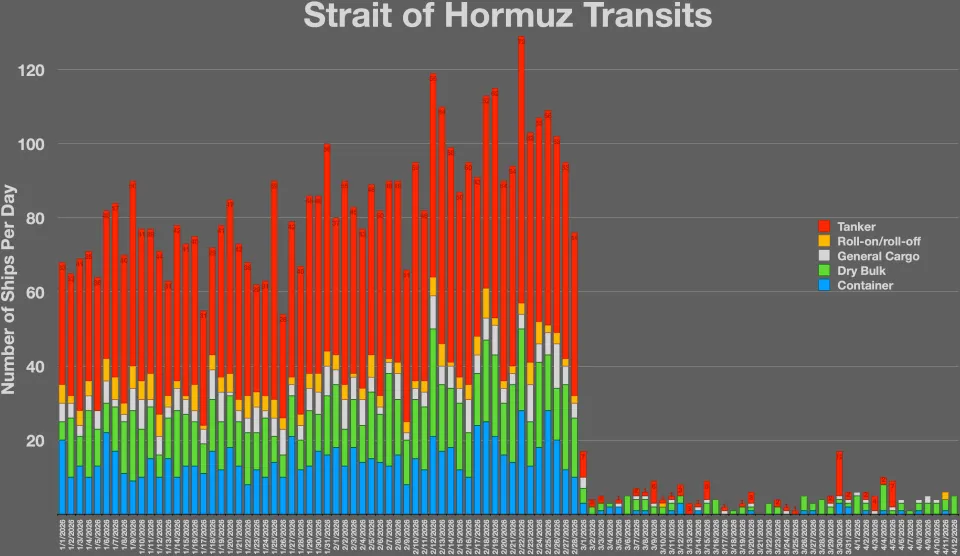
Renewed tensions between Iran and the United States continue to shake the global oil market. Recent developments, including attacks on ships in the Strait of Hormuz, have led to fluctuating oil prices. These tensions come at a time when the market is already sensitive to geopolitical shocks, with the Strait being a critical chokepoint for global oil supply.
The impact of these tensions extends beyond immediate price volatility. For oil-dependent economies, the uncertainty disrupts planning and investment, while for global markets, it raises concerns about supply security. As diplomatic efforts unfold, stakeholders are watching closely, aware that any escalation could further destabilize the fragile economic recovery post-pandemic.
LeBron James Leaves LA Lakers
In a surprising turn of events in the sports world, basketball superstar LeBron James has announced his departure from the LA Lakers, with reports linking him to the Golden State Warriors. This shift marks a significant moment in the NBA, as teams and fans alike react to the potential reshuffle in league dynamics.
James, known for his influence both on and off the court, brings not only his athletic talent but also his celebrity status to any team he joins. This move could have implications for team performance, fan engagement, and broadcasting rights, as the NBA continues to be a major player in global sports entertainment.

Motorola's New Tracker Makes Waves
Motorola has launched its Tag 2 tracker at a special introductory price, capturing the attention of tech enthusiasts. This Bluetooth tracker, with its improved battery life and precise tracking capabilities, is set to compete with established brands in the market. The launch reflects a growing demand for connected devices that enhance everyday convenience and security.
As consumers increasingly seek smart solutions for managing their assets, products like the Tag 2 are gaining popularity. Motorola’s entry into this space highlights the competitive nature of the tech industry, where innovation and pricing are key to capturing market share. For consumers, the Tag 2 offers a cost-effective yet advanced option for personal asset management.

Frequently Asked Questions
Who is Antonio Nusa?
What is Amazon's new AI investment?
How are Iran-US tensions affecting the oil market?
Why is LeBron James leaving the LA Lakers?
What is the Motorola Tag 2?
Geopolitical Risk Premium: Why Iran‑US Tensions Move Oil Prices
When a flashpoint like the Iran‑US rivalry flares, oil markets react faster than most other commodities. The underlying driver is the geopolitical risk premium – an extra return that investors demand for holding a volatile asset exposed to political shocks. In practice, traders add a cushion to the price of crude to compensate for the possibility of supply disruptions, sanctions, or sudden changes in export routes.
The premium is not a fixed number; it expands and contracts with the intensity of the geopolitical narrative. A missile test, a new sanctions regime, or a diplomatic breakthrough can shift expectations about how much oil will actually reach the market. When risk perception rises, futures contracts and spot prices jump, even if global demand fundamentals remain unchanged. This is why a headline about Iran‑US tensions can push Brent or WTI up several dollars within hours.
Supply‑side factors amplify the effect. A large share of the world’s oil comes from politically unstable regions—Middle‑East, West Africa, and parts of South America. Any hint that production could be curtailed forces market participants to re‑price the risk of “missing barrels.” The OPEC+ coordination mechanism also plays a role: if members suspect a supply shock, they may pre‑emptively adjust output quotas, further embedding the risk premium into price forecasts.
Understanding the geopolitical risk premium helps investors, policymakers, and even casual observers separate short‑term price spikes from longer‑term demand trends. It also explains why technology firms like Amazon, which invest heavily in AI‑driven trading algorithms, closely monitor geopolitical news feeds: the faster they can quantify the premium, the better they can position portfolios before the market fully reacts.
For anyone watching the oil market, remembering that price movements often reflect perceived political risk rather than pure supply‑demand fundamentals is key. When headlines shift—from a new sanction on Iran to a diplomatic accord—expect the risk premium to adjust, and with it, the price of the world’s most traded commodity.