US-Iran Indirect Talks on $6 Billion Assets to Restart in Doha; Wall Street Bulls Eye Pullback
ازسرگیری مذاکرات غیرمستقیم آمریکا و ایران بر سر داراییهای ۶ میلیارد دلاری در دوحه؛ نگرانی وال استریت از اصلاح بازار
Indirect talks between the US and Iran are set to resume in Doha, focusing on the unfreezing of $6 billion in Iranian assets, a move with significant economic implications amidst ongoing regional tensions. Meanwhile, the UK faces a £5 billion defence funding gap, and Wall Street bulls are growing cautious about a potential market pullback after a strong quarter.
At time of publishing
USD
172,250
Toman
Gold 18K
16.81M
Toman / gram
Bitcoin
$58,219
US Dollar
Tether
173,243
Toman
US-Iran Indirect Talks on $6 Billion Assets to Restart in Doha
Indirect negotiations between American and Iranian officials are set to resume in Doha on Wednesday, with a primary focus on the critical issue of unfreezing an estimated $6 billion in Iranian assets. This development comes just days after a new round of regional attacks threatened to derail efforts towards a lasting peace deal. While US envoys Steve Witkoff and Jared Kushner were present in Qatar on Tuesday for discussions covering broader regional matters, Qatari foreign ministry spokesman Majed Al-Ansari explicitly clarified that these talks were with Qatari mediators and not direct engagements with the Iranians, underscoring the delicate, indirect nature of these crucial financial negotiations.
The decision to restart these asset-focused discussions signals a continued, albeit cautious, diplomatic channel between Washington and Tehran, even as wider geopolitical tensions persist. The unfreezing of these funds, primarily held in South Korea and transferred to Qatar under a previous agreement, has been a significant point of contention and a key demand from Iran. For the Iranian economy, the release of such substantial funds could provide a much-needed boost, potentially easing pressure on the national currency and facilitating imports of essential goods.
For Iranian readers, the prospect of these assets being unfrozen carries substantial implications. The Iranian Toman has seen some movement today, with the USD/IRR rising from 170,450 to 172,250, marking a 1.1% increase over 24 hours. Similarly, the Emami coin climbed from 169,000,000 to 171,500,000 (+1.5%), and 18k gold per gram saw a 1.3% increase, moving from 16,594,025 to 16,805,715 Toman. While direct causation is complex, news of diplomatic progress on assets can influence market sentiment and expectations regarding sanctions relief, trade prospects, and overall economic confidence, potentially affecting these price trends. The ongoing indirect dialogue suggests that despite recent flare-ups, both sides retain an interest in managing certain aspects of their strained relationship.
UK Defence Faces £5 Billion Funding Shortfall Amid Global Instability
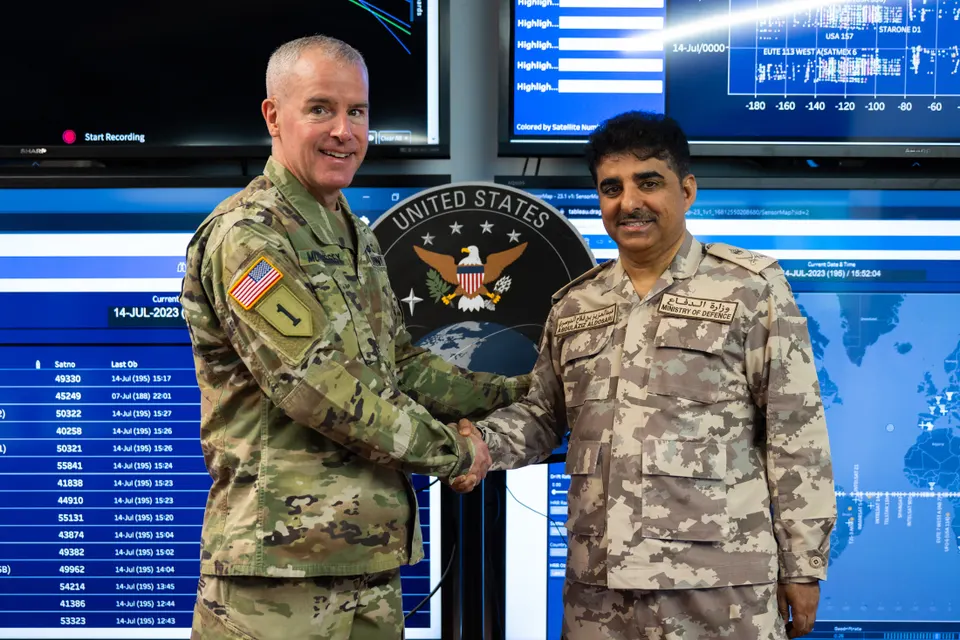
New government figures in the United Kingdom have revealed a substantial £5 billion "black hole" in defence funding that the next Chancellor will be tasked with addressing. This critical shortfall emerges at a time when global geopolitical instability, particularly in Eastern Europe and the Middle East, is intensifying pressure on Western nations to bolster their military capabilities and meet NATO spending targets. The revelation comes just as Labour leader Keir Starmer unveiled his party's £15 billion defence plan, emphasizing the need for efficient spending rather than viewing defence budgets as a "bottomless pit."
The challenge of funding defence is not unique to the UK, but its specific fiscal pressures highlight a broader dilemma facing many developed economies: how to reconcile escalating security demands with domestic economic constraints. The MoD's ability to maintain readiness, invest in future technologies, and support international commitments directly hinges on closing this funding gap. Failure to do so could impact the UK's strategic influence, its role in alliances, and its capacity to respond to emerging threats, potentially forcing difficult choices on equipment procurement or personnel levels.
Economically, this defence spending deficit could have several ramifications. It signals increased fiscal pressure on the UK Treasury, potentially leading to cuts in other public services or a need for higher taxation or borrowing. For markets, the uncertainty around such a significant budgetary item can contribute to investor caution, especially concerning the stability of government finances. Furthermore, the debate over defence spending reflects the shifting global landscape where national security is increasingly intertwined with economic security, influencing long-term investment and trade policies.
Iran's Navy Praised for Maritime Security Amidst Regional Tensions
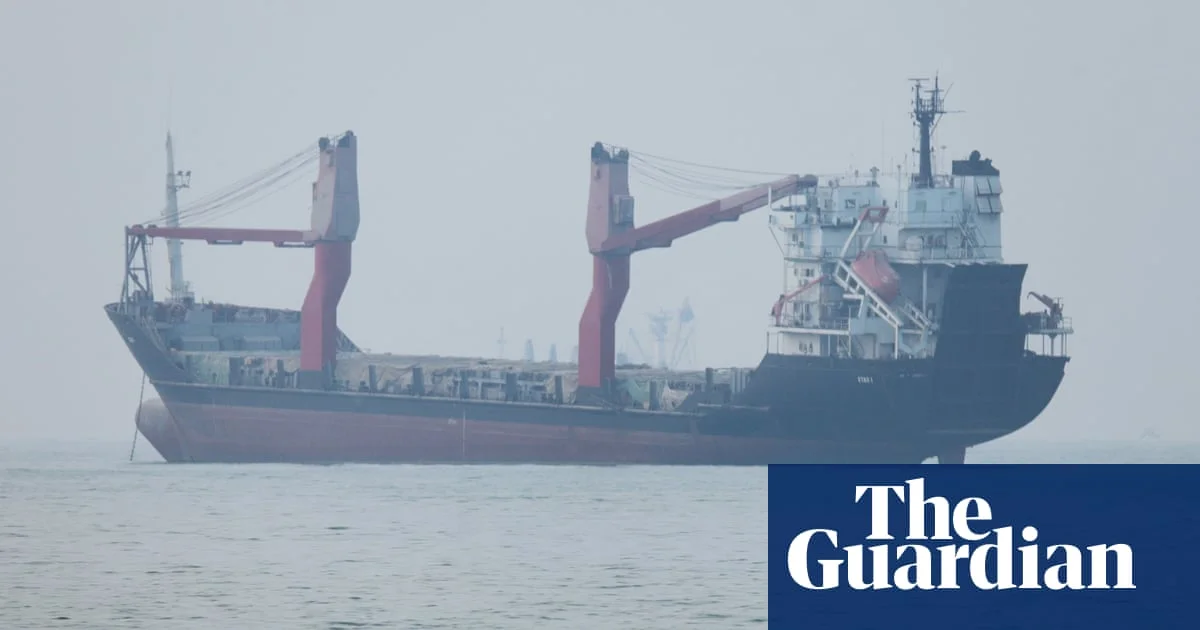
Iran's government spokesperson, Fatemeh Mohajerani, has publicly lauded the country's navy for its pivotal role in safeguarding maritime security during what she referred to as the recent "US-Israeli-imposed war." Mohajerani's comments, reported by IRNA, highlighted the navy's operational prowess in confronting threats at sea, underscoring its strategic importance to national defense and regional stability. This commendation reinforces Iran's narrative of self-reliance and strength in protecting its vital shipping lanes and economic interests.
The praise for the navy comes at a particularly sensitive juncture, following recent attacks on cargo ships and strikes on Iranian territory, which have heightened tensions in critical waterways like the Strait of Hormuz. Iran views its naval presence as essential for asserting sovereignty and ensuring the unimpeded flow of its own trade, especially given the backdrop of international sanctions and regional rivalries. Such statements are often aimed at both a domestic audience, bolstering national pride, and an international one, signaling resolve.
The implications of Iran's emphasized naval capabilities are significant for regional geopolitics and global trade. The Strait of Hormuz, a crucial choke point for a substantial portion of the world's oil supply, remains a flashpoint. Iran's naval posture directly influences shipping insurance premiums, transit times, and overall perceived risk for vessels operating in the Persian Gulf. This narrative of a strong defensive force, while aimed at deterring adversaries, also contributes to the complex security calculus in a region already prone to volatility, impacting energy markets and international diplomacy.
Wall Street Bulls Eye Potential Pullback After Dazzling Quarter
As the first half of 2026 draws to a close, a noticeable shift in sentiment is emerging on Wall Street: even seasoned bulls are expressing concerns about a potential stock market pullback, despite what has been described as a "dazzling second quarter" for U.S. equities. This apprehension suggests that after a period of robust growth and record highs, investors are beginning to price in the possibility of a correction or a period of consolidation. The prevailing optimism, fueled by strong corporate earnings and technological advancements, appears to be tempering with a dose of caution.
The underlying reasons for this apprehension are multifaceted. Extended market rallies often trigger concerns about overvaluation, leading analysts to question whether current stock prices are sustainable relative to future earnings potential. Factors such as persistent inflationary pressures, the possibility of future interest rate adjustments by the Federal Reserve (as hinted by warnings from officials like Cleveland Fed's Beth Hammack about AI fueling inflation), and broader geopolitical uncertainties could all contribute to a more cautious outlook. Investors might be preparing for a period of profit-taking or re-allocation of assets.
For global markets, including those impacting Iranian investors, a significant pullback on Wall Street could have ripple effects. A downturn in major U.S. equity indices can dampen overall risk appetite, leading to capital flows away from riskier assets like cryptocurrencies and potentially impacting emerging markets. While the Iranian market operates under specific conditions, global market sentiment can indirectly influence investor behavior, expectations for the global economy, and the stability of commodity prices, which in turn affect local currency and gold valuations. This cautious outlook highlights the interconnectedness of global finance, even across diverse economic landscapes.
Frequently Asked Questions
What exactly are the $6 billion Iranian assets being discussed in Doha?
How might the restart of these talks impact the Iranian Toman and local markets?
What is the significance of the "£5 billion black hole" in UK defence funding?
Why is Wall Street cautious about a pullback despite a strong quarter?
How does Iran's emphasis on its navy's role relate to the Strait of Hormuz?
Economic Sanctions and Frozen Assets
Economic sanctions are powerful foreign policy tools used by countries or international bodies to pressure another state, entity, or individual to change their behavior. These measures can range from restricting trade and financial transactions to imposing travel bans. When a country imposes sanctions, it often aims to achieve specific political, security, or human rights objectives without resorting to military action. They are designed to inflict economic costs, thereby compelling the target to comply with international norms or specific demands.
One of the most impactful forms of economic sanctions is the freezing of assets. This involves rendering a country's funds, property, or other financial holdings — typically held in foreign banks or financial institutions — inaccessible. These assets often include foreign currency reserves, oil revenues, or investments abroad. The rationale behind freezing assets is to deny the targeted regime access to crucial financial resources, thereby limiting its ability to fund activities deemed undesirable by the sanctioning authority, such as nuclear programs, support for terrorism, or human rights abuses.
The $6 billion in Iranian assets mentioned in the headline are a prime example of funds that have been subjected to such a freeze. These assets, likely accumulated from oil sales or other international transactions, were held in banks outside of Iran and became inaccessible due to U.S. sanctions. The ongoing indirect talks in Doha are precisely about the potential unfreezing and release of these funds, often in exchange for concessions or as part of a broader diplomatic understanding.
The impact of frozen assets and broader economic sanctions on a country's economy can be severe. They can lead to currency depreciation (like the Iranian Toman), inflation, shortages of essential goods, and difficulty in engaging in international trade. While the immediate focus of such talks is often on the release of funds, the underlying economic pressures and the desire to alleviate them are significant drivers for all parties involved, influencing market sentiment and even domestic gold prices.