Iran Faces Economic Woes as Global Tensions Impact Oil and Markets
ایران با بحران اقتصادی و تنشهای جهانی در بازار نفت روبرو است
Iran's economic challenges deepen amid ongoing sanctions and global tensions. Meanwhile, oil markets react to potential gluts, and TeraWulf's stock rises after a major deal.
At time of publishing
USD
175,000
Toman
Gold 18K
17.68M
Toman / gram
Bitcoin
$62,094
US Dollar
Tether
174,511
Toman
Iran's Economic Struggles Intensify
Iran is grappling with a worsening economic crisis as the combined effects of international sanctions, domestic policy shifts, and the persistent impact of regional conflicts continue to strain the nation's financial stability. The Iranian currency, the rial, has been under immense pressure, with the USD now trading at 175,000 toman. This reflects a 0.8% increase in just 24 hours, highlighting the volatility and uncertainty faced by the Iranian economy. As sanctions tighten, the cost of living has soared, leaving many families struggling to afford basic necessities.
The situation is exacerbated by the ongoing conflict involving the US and Israel, which has not led to the expected foreign intervention to destabilize the Iranian regime. Instead, it has further disrupted economic activities and crushed livelihoods. The Iranian public's hope for relief seems distant as the geopolitical tensions show no sign of abating. For Iranian citizens, this means navigating an increasingly challenging economic landscape with limited prospects for improvement in the near future.

Oil Market Fears Overblown, Say Experts
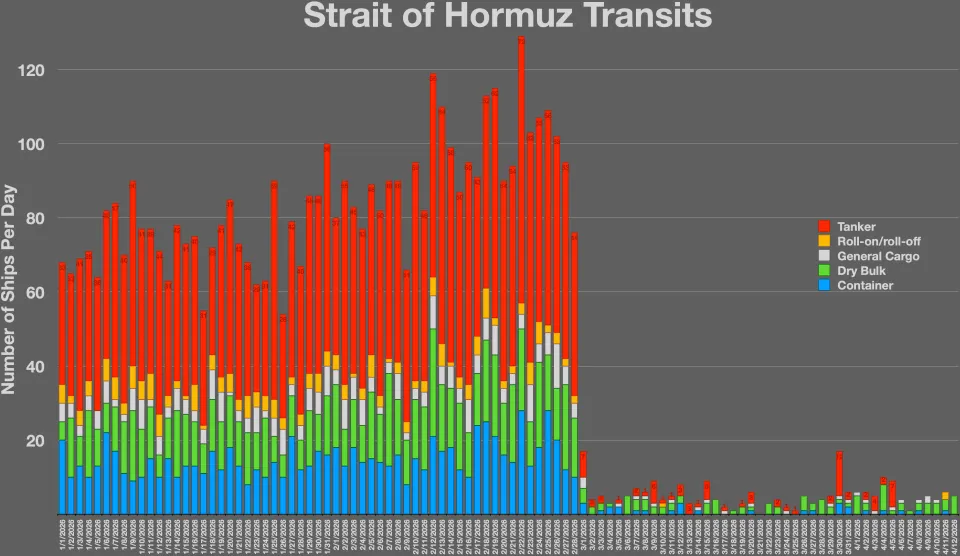
Recent reports suggest that fears of a potential oil glut may be exaggerated, as noted by Fereidun Fesharaki, chairman emeritus of FGE NexantECA. Despite a predicted return of up to 75% of previous oil flows through the Strait of Hormuz by year's end, the expectation of significantly lower oil prices in 2027 remains uncertain. This is primarily due to unresolved tensions between the US and Iran, which continue to influence global oil markets.
The consultancy's analysis indicates that while oil prices could stabilize in the upper $50s to low $60s per barrel next year, this projection heavily depends on the geopolitical climate. The ongoing risks in the Strait of Hormuz, a vital oil transit route, add to the market's uncertainty, impacting not only oil prices but also global inflation pressures and regional economic stability.
TeraWulf's Stock Soars Following Major Deal
TeraWulf, a company pivoting from crypto-mining to supporting AI infrastructure, has seen its stock surge following a significant $19 billion deal with Anthropic. This long-term lease agreement at TeraWulf's Justified Data site in Kentucky is expected to generate substantial revenue and validate the company's strategic shift. The move underscores the growing intersection of AI and blockchain technologies, as companies seek to capitalize on emerging opportunities in these sectors.
For investors, this development offers a glimpse into the potential profitability of integrating AI with existing crypto infrastructure. It also reflects broader market trends where tech companies are increasingly aligning with AI-focused initiatives to drive growth. As AI continues to reshape industries, partnerships like this highlight the evolving landscape of technology investment.

Deadly Riot in Sri Lanka's Negombo Prison
A violent riot in Sri Lanka's Negombo prison has resulted in at least 23 deaths, drawing international attention to the island nation's prison conditions. Human rights activists have long criticized Sri Lanka for overcrowded facilities and inadequate protection for inmates, and this incident underscores the urgent need for reform.
The riot is a stark reminder of the broader socio-political challenges facing Sri Lanka, as the country navigates economic struggles and political instability. The global community is watching closely, as such incidents can influence international perceptions and affect foreign relations, particularly in terms of human rights and governance.

Former Syrian Officials Convicted in Austria
In a landmark case, former Syrian officials have been found guilty in Austria for their roles in the torture of pro-democracy protesters. This case, tried under the principle of universal jurisdiction, marks a significant step in holding individuals accountable for human rights violations, irrespective of their national jurisdiction.
The verdict is hailed by international human rights organizations as a victory for justice, setting a precedent for future cases involving crimes against humanity. It also highlights Austria's commitment to upholding international law, potentially encouraging other nations to pursue similar legal actions against perpetrators of human rights abuses.

Watch
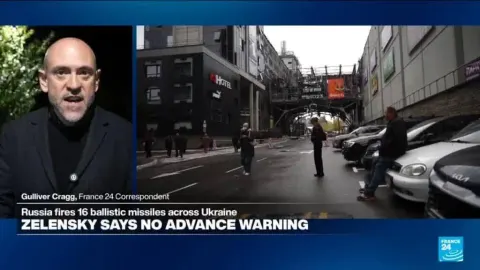
Iranians struggle as ongoing economic crisis shows no sign of abatting • FRANCE 24 English
FRANCE 24 English
Frequently Asked Questions
How is the Iranian economy affected by current sanctions?
What is the current situation in the Strait of Hormuz?
Why did TeraWulf's stock increase?
What was the outcome of the riot in Sri Lanka's Negombo prison?
What significance does the Austrian court ruling have?
The Geopolitics of Oil
Oil is far more than just a commodity; it is a strategic asset deeply intertwined with global politics, national security, and economic stability. The concept of the 'geopolitics of oil' explores how political power, international relations, conflicts, and diplomatic maneuvers profoundly influence the global supply, demand, and pricing of this vital resource. Understanding this relationship is crucial for comprehending many international events and their economic ripple effects.
Geopolitical tensions act as significant catalysts in the volatile oil market. Events such as sanctions imposed on major oil-producing nations (like those targeting Iran), armed conflicts in oil-rich regions, or even political instability within key exporting countries can directly disrupt supply chains or create profound uncertainty about future production. This uncertainty, driven by fears of supply shortages or blockades, often leads to speculative trading and sharp price fluctuations in global oil markets, impacting both producers and consumers.
The economic consequences of these geopolitical dynamics are far-reaching. For oil-exporting nations whose economies are heavily reliant on oil revenues, such disruptions can precipitate severe economic crises. Reduced export capacity, inability to access international markets, or lower prices due to market oversupply (or forced discounts) can cripple government budgets, lead to currency devaluation, and fuel inflation. Conversely, for oil-importing nations, sudden price spikes can escalate energy costs, dampen industrial output, slow economic growth, and contribute to inflationary pressures.
Ultimately, the interplay of energy security, national interests, and global power dynamics ensures that oil remains a constant flashpoint in international relations. From the allocation of resources to the shaping of foreign policy, the geopolitics of oil fundamentally influences global economic and political developments. Grasping this intricate web of connections is essential for anyone seeking to understand the underlying forces behind headlines concerning energy markets and national economies.