
Tehran’s Unprecedented Burial Delay: Khamenei Breaks Custom as USD Climbs to 175,000
تأخیر بیسابقه در تدفین؛ شکستن سنتهای مذهبی در تهران و صعود دلار به ۱۷۵ هزار تومان
Iran breaks Islamic tradition by delaying the burial of its late leader for months, sparking concerns over succession stability. Meanwhile, global markets react to a massive $216M Bitcoin sell-off and deadly Russian strikes on Kyiv ahead of the NATO summit.
At time of publishing
USD
175,000
Toman
Gold 18K
17.68M
Toman / gram
Bitcoin
$61,515
US Dollar
Tether
174,600
Toman
The Politics of Preservation: Khamenei’s Delayed Burial
In a move that has stunned both religious scholars and political observers, the Iranian government has confirmed that the burial of Ayatollah Ali Khamenei was delayed for four months following his death during U.S.-Israeli strikes. Breaking sharply with Islamic custom, which dictates a swift burial, the state reportedly preserved the remains through medical means. While officials cite security concerns and the necessity of a protracted mourning period to stabilize the nation, critics view it as a calculated political maneuver to manage a fragile succession process under the shadow of regional conflict. The delay suggests a government struggling to project unity while the underlying structures of power are in significant flux.
This atmospheric uncertainty is manifesting directly in the currency markets. As hundreds of thousands gather in Tehran for the formal procession, the Iranian Toman has weakened significantly. The USD rose from 173,550 to 175,000, a 0.8% increase in just 24 hours. Investors are clearly hedging against the unknown, as the "preservation" of the leader’s body mirrors the government’s attempt to preserve the status quo amidst shifting geopolitical sands. While Emami gold coins remained flat at 177,000,000 Toman, the 18k gold price saw a slight correction, moving from 17,729,350 to 17,683,180 (-0.3%), likely due to local profit-taking amidst the national paralysis.

Geopolitical Tension: Kyiv Strikes on the Eve of NATO Summit
As NATO leaders prepare to gather in Ankara for a pivotal summit, Russia has launched a series of deadly ballistic missile strikes on Kyiv. At least 12 people have been confirmed dead as the capital’s infrastructure was rocked by the second major attack in less than a week. These strikes are widely interpreted as a blunt message from Moscow to the Western alliance, aimed at demonstrating that no amount of military aid will secure the Ukrainian capital. The timing is particularly sensitive, as the summit was expected to finalize new long-term security guarantees for Ukraine, a move the Kremlin has repeatedly labeled a red line.
For global markets, the escalation in Ukraine adds another layer of risk premium to energy and commodity prices. The Strait of Hormuz has already seen erratic tanker behavior, with several vessels making mysterious U-turns near the Omani coast. While tanker traffic is slowly recovering, the combination of Black Sea volatility and Persian Gulf uncertainty is keeping Brent crude prices on edge. Traders are watching the Ankara summit closely, as any shift in NATO’s posture could trigger immediate volatility in both traditional and digital asset markets.

Crypto Liquidation: Strategy Dumps $216 Million in Bitcoin
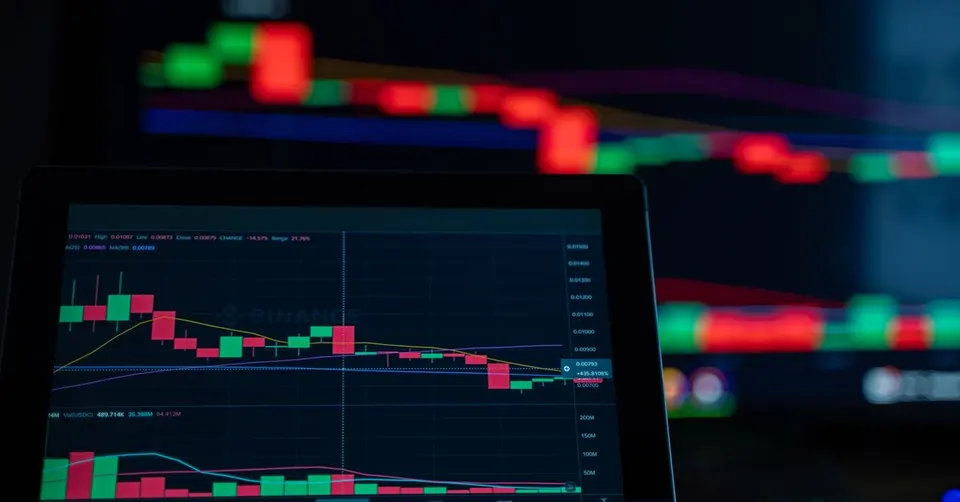
The cryptocurrency market faced a significant headwind today as 'Strategy' (a major institutional holder) sold 3,588 Bitcoin, worth approximately $216 million. The sale was reportedly executed to fund dividend payments for preferred stockholders, marking a rare departure from the company’s aggressive accumulation strategy. This move has put downward pressure on Bitcoin, which is currently trading at 61,515 USD. Despite the sale, the company maintains a massive reserve of over $2.5 billion, but the optics of such a large liquidation have dampened the bullish sentiment that characterized the previous week’s rebound.
Interestingly, while some institutional players are trimming their Bitcoin holdings, others are rotating into Ethereum. Bitmine recently added $74 million in ETH to its treasury, betting on a boost from the upcoming Clarity Act. This divergence in institutional behavior suggests that the market is becoming increasingly fragmented. For Iranian investors, who often use USDT as a hedge against Toman devaluation, the Tether price remains elevated at 174,600 Toman, reflecting the domestic demand for dollar-pegged assets during this period of national mourning and political transition.
Domestic Unrest and the Aid Paradox
In the United States, domestic tensions have flared as National Guard troops, deployed under controversial orders, shot and killed a 20-year-old man in Memphis. The incident occurred during a chase following reports of gunfire, and it has reignited the debate over the militarization of domestic law enforcement. This comes at a time when the U.S. government is also facing scrutiny over its foreign aid priorities. While Washington reportedly oversees $8 billion in seized Venezuelan oil revenue, it has allocated a relatively modest $300 million in earthquake aid to Haiti, highlighting a stark gap between the resources at its disposal and its humanitarian commitments.
This paradox of plenty versus austerity is a recurring theme in global politics today. As the U.S. manages billions in frozen assets from sanctioned nations like Venezuela and Iran, the strategic use of these funds remains a point of intense diplomatic friction. For the average Iranian reader, these developments serve as a reminder of how closely their domestic economic fate—and the value of the Toman in their pockets—is tied to the legal and political battles being fought in Washington and New York over sanctioned assets and international aid flows.
Frequently Asked Questions
Why was the burial of the Iranian leader delayed for four months?
How has the Iranian Toman reacted to the funeral proceedings?
Why did 'Strategy' sell $216 million worth of Bitcoin?
The Dynamics of Currency Depreciation Amidst Political Instability
Currency depreciation refers to the fall in the value of a nation's currency relative to foreign currencies. This phenomenon has immediate and significant effects: it makes imports more expensive, reduces the purchasing power of citizens, and can signal profound economic distress. The dramatic surge in the USD/IRR exchange rate, as highlighted in the news, exemplifies severe currency depreciation, where the national currency loses substantial value against the US dollar.
One primary driver of rapid currency depreciation, especially in countries facing unique geopolitical circumstances, is political instability and uncertainty. Events such as a leadership succession crisis, significant political transitions, or major shifts in governance can profoundly erode both domestic and international investor confidence. When investors and citizens anticipate instability, they often seek safer assets, leading to capital flight—the rapid outflow of money from a country. This increased demand for stable foreign currencies (like the USD) and decreased demand for the local currency directly contributes to its depreciation.
Economic sanctions further exacerbate currency depreciation. Comprehensive sanctions, particularly those targeting a country's primary export revenues (such as oil), severely limit its access to foreign currency. Without sufficient foreign exchange reserves, a government has fewer tools to support its currency or finance essential imports. This creates a scarcity of foreign currency within the domestic market, driving up its price (and thus depreciating the local currency) on both official and unofficial exchange markets.
The combined effect of political uncertainty and economic sanctions creates a vicious cycle. As the currency depreciates, inflation often accelerates, making everyday goods more expensive and further eroding public trust. This can lead to a scramble for hard assets or foreign currency, intensifying capital flight and deepening the currency's decline. Understanding this interplay is crucial for comprehending the complex challenges faced by economies under such intense pressures.