Khamenei Funeral Draws Massive Crowds as Iran's Future Hangs in Balance
تشییع گسترده پیکر آیتالله خامنهای؛ آینده ایران در هالهای از ابهام
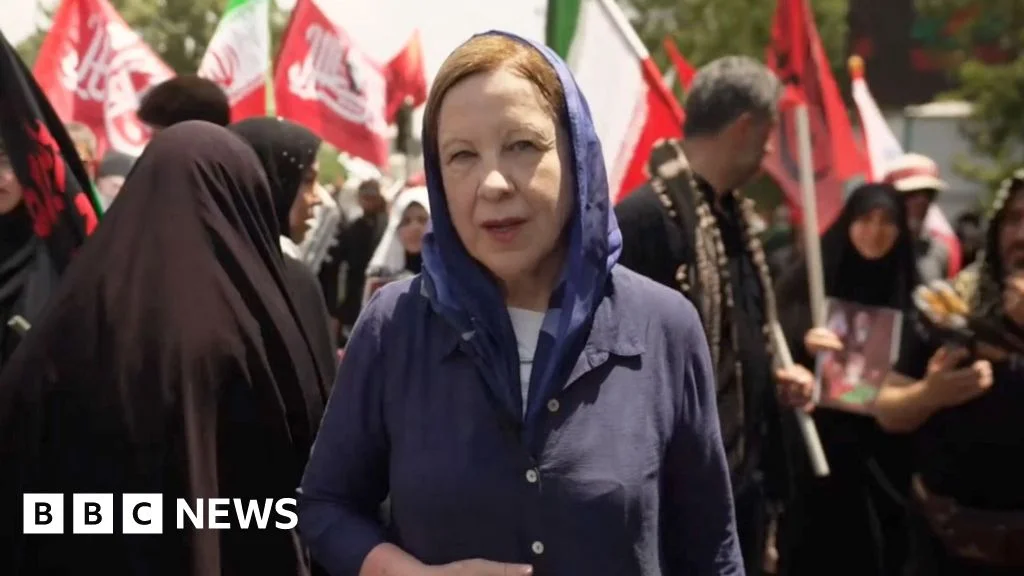
Massive crowds have thronged the streets of Tehran for the funeral procession of Supreme Leader Ayatollah Ali Khamenei. The event marks a pivotal moment for Iran, raising significant questions about political stability, regional dynamics, and the nation's economic future.
At time of publishing
USD
174,750
Toman
Gold 18K
17.71M
Toman / gram
Bitcoin
$63,791
US Dollar
Tether
174,603
Toman
Unprecedented Crowds for Khamenei's Funeral Procession
Tehran witnessed an outpouring of grief and national mourning today as hundreds of thousands, if not millions, gathered for the funeral procession of Supreme Leader Ayatollah Ali Khamenei. State media and international observers alike reported immense crowds lining the streets, waving Iranian flags and banners, with some expressing a desire for vengeance for his death. The sheer scale of the public gathering underscores the deep, albeit complex, relationship the regime cultivates with a segment of the population, or at least its ability to mobilize such displays of public sentiment.
The procession, described as a significant spectacle by BBC World and BBC, is a critical moment for the Islamic Republic. It not only signifies the end of an era but also sets the stage for a delicate succession process. The absence of Khamenei's son, Mojtaba, from prominent mourning ceremonies has fueled public insecurity and speculation about the future leadership, as reported by Al Jazeera. This uncertainty, coupled with the judiciary chief's calls for avenging Khamenei and prosecuting foreign aggressors, points to a potentially volatile period ahead for Iran, both internally and in its regional relations. The government's narrative of external enemies, amplified during such times, often serves to consolidate power and deflect from domestic challenges.
Geopolitical Ripples and Iran's Energy Future
The transition in Iran's leadership occurs against a backdrop of shifting global alliances and energy market dynamics. OilPrice reports that the ongoing 'Iran war' — a term used to describe regional tensions and conflicts involving Iran — paradoxically strengthens the case for renewables and energy storage. As supply chains are disrupted and geopolitical risks escalate, the long-term investment in alternative energy sources becomes more compelling. This development, while not directly tied to the funeral itself, has significant implications for the global energy landscape and potentially for Iran's future export capabilities, should sanctions or regional conflicts alter its market participation.
Furthermore, Pakistan's strategic move to bypass Afghanistan by establishing new land corridors through Iran and China, as detailed by OilPrice, highlights Iran's enduring role in regional transit and trade, irrespective of internal political shifts. This operationalization of new routes demonstrates a pragmatic approach to economic connectivity by neighboring countries, seeking stability and efficiency. However, the broader geopolitical context, including tensions between the US and Europe over issues like Trump's intervention in the Balogun World Cup suspension, adds a layer of complexity to how these regional economic initiatives will unfold. The international community's focus on Khamenei's succession may overshadow other critical developments, but the underlying economic and geopolitical currents continue to shape Iran's position in the world.
Market Reactions and Economic Uncertainty
While the funeral procession dominates headlines, the immediate market impact appears relatively contained, at least for now. The USD/IRR pair saw a slight uptick, moving from 173,550 to 174,750 (+0.7%) in the last 24 hours, reflecting underlying currency market sentiment. Gold prices, however, showed a marginal decrease, with 18k gold per gram falling from 17,729,350 to 17,706,265 (-0.1%), and the Emami coin remaining stable. This suggests a degree of cautious stability in traditional Iranian assets, possibly driven by expectations of continuity or a managed transition.
Globally, the cryptocurrency market remains active, though not directly tied to the Iranian situation. News of a $20 million loss for BonkDAO due to a malicious governance proposal and a judge reviving fraud claims against Barry Silbert in the Genesis Yield lawsuit indicate ongoing volatility and regulatory scrutiny within the digital asset space. Bitmine's significant Ether purchases, contrasted with Strategy's substantial Bitcoin sales to fund preferred stock dividends, highlight divergent strategies among crypto firms. These events, coupled with TeraWulf's major AI infrastructure lease, suggest a market grappling with both speculative risks and strategic pivots toward new technologies.
Broader Global Context
Beyond the immediate focus on Iran, several other global events warrant attention. The first American woman rowing solo from California to Hawaii, a feat of endurance and human achievement, underscores a spirit of individual endeavor. Meanwhile, Prince Harry's visit to Britain, shrouded in speculation about repairing or deepening royal rifts, points to ongoing social narratives. In the political arena, Trump's intervention in a World Cup suspension adds another layer to his complex relationship with European allies, highlighting areas of friction. These diverse stories, from personal triumphs to political entanglements, paint a picture of a world continuing its complex trajectory amidst significant geopolitical and economic shifts, with Iran's leadership transition being a particularly critical node.
Frequently Asked Questions
What is the immediate impact of Ayatollah Khamenei's funeral on the Iranian currency?
How are global energy markets reacting to the situation in Iran?
What are the key developments in the cryptocurrency market mentioned in the report?
What is the significance of Pakistan's new trade corridors involving Iran?
Are there any major shifts expected in Iran's economic policy following Khamenei's death?
Currency Devaluation and the Surge of Gold & Crypto in Iran
When a nation’s currency loses value rapidly, the phenomenon is called devaluation. In Iran, the rial has been sliding against the U.S. dollar for months, a trend that intensified after the death of Supreme Leader Ayatollah Khamenei. The government’s monetary policies, sanctions‑related shortages of foreign currency, and a loss of confidence among investors have all contributed to a widening gap between the official and black‑market exchange rates.
A weaker rial erodes purchasing power, making imported goods more expensive and stoking inflation. Because the central bank struggles to supply enough foreign currency, many Iranians turn to alternative stores of value that can preserve wealth despite the volatile exchange rate. This is where safe‑haven assets such as gold and, increasingly, cryptocurrencies come into play.
Gold has a long history as a hedge against inflation and currency risk. As the rial depreciates, Iranians rush to buy gold—both physical bars and jewelry—to protect their savings. The heightened demand pushes up local gold prices, often outpacing global market movements. Moreover, gold can be bought and sold in cash, bypassing the need for hard foreign currency, which makes it especially attractive under sanctions.
Cryptocurrencies, despite their own price swings, offer a digital avenue to sidestep traditional banking restrictions. Platforms that accept Iranian users enable the conversion of rials into Bitcoin, Ethereum, or stablecoins, which can then be transferred abroad or used for online purchases. While the regulatory environment remains uncertain, the combination of a collapsing rial and limited access to foreign exchange has turned crypto into a popular, albeit risky, tool for wealth preservation and remittance.