Iran Mourns Khamenei Amidst Regional Tensions; Markets Steady
ایران در سوگ خامنهای؛ بازارها بدون تغییر
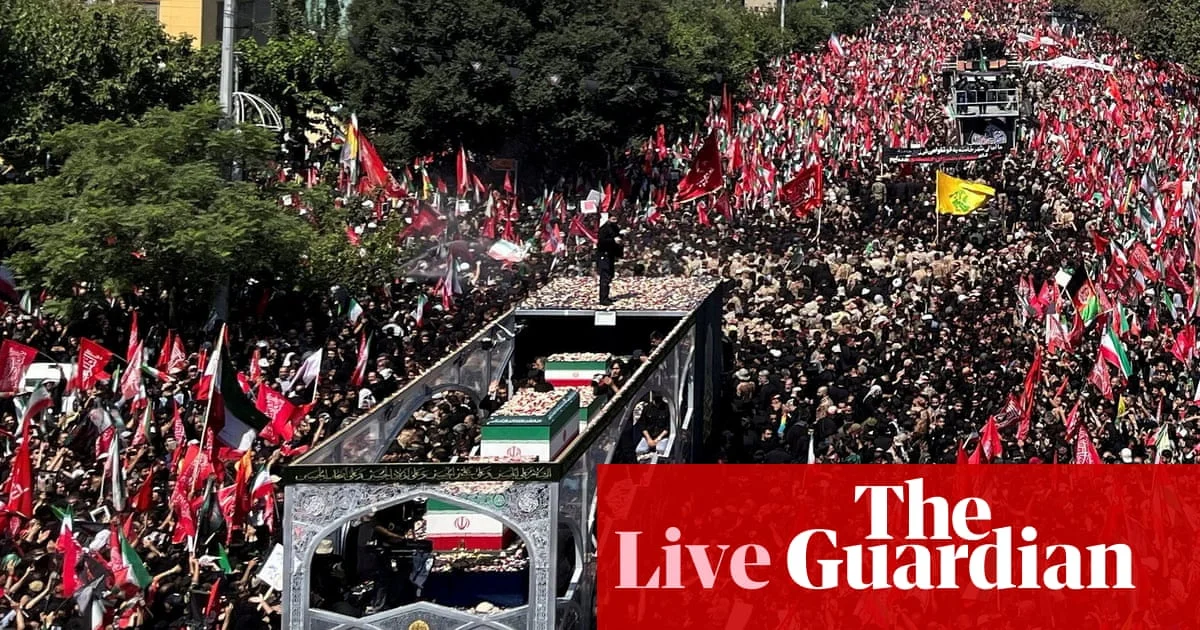
Iran is in mourning as the funeral procession for Supreme Leader Ali Khamenei attracts millions, affecting regional dynamics. Meanwhile, markets remain stable amidst ongoing geopolitical tensions.
At time of publishing
USD
174,750
Toman
Gold 18K
17.73M
Toman / gram
Bitcoin
$63,638
US Dollar
Tether
174,548
Toman
Iran Mourns Supreme Leader Khamenei Amidst Regional Tensions
Iran finds itself at a critical juncture as the nation mourns the death of Supreme Leader Ayatollah Ali Khamenei. The funeral procession in Tehran has drawn millions of mourners onto the streets, marking a significant moment in the country's political landscape. Khamenei's death comes after he was reportedly killed in a US-Israel airstrike earlier this year, an event that has heightened tensions in the Middle East. The sheer scale of the funeral reflects the leader's influence and the potential power vacuum that his absence might create, leading to questions about Iran's future direction.
This period of mourning is not just a national event but has implications for regional stability. The prospect of political transition in Iran could lead to shifts in alliances and power dynamics within the Middle East. Observers are closely watching Iran's next moves, particularly its interactions with neighboring countries and its stance on ongoing geopolitical issues. The impact on global oil markets and regional security arrangements is also being scrutinized, as any instability in Iran has the potential to affect global economic and security landscapes.
Trump Intervenes in FIFA Dispute, Stirring Geopolitical Waters
In a surprising move, former President Donald Trump has made headlines by intervening in a FIFA World Cup disciplinary matter. Trump lobbied against the suspension of US striker Folarin Balogun, who received a red card in a recent match. This intervention has sparked controversy and added to existing tensions between the United States and Europe. Trump's actions, seen by some as overreach, highlight the complicated interplay between politics and sports on the international stage.
This incident comes at a time when geopolitical tensions are already high, particularly with the US's strained relations with Europe over various policy disagreements. The decision to contest FIFA's ruling is viewed by many as a reflection of Trump's continued influence and possibly an attempt to bolster US soft power in global affairs. However, it also risks further straining diplomatic ties with European nations, who may view the move as an unwelcome interference.

Silver's Tumultuous Year: A Deep Dive into Market Trends
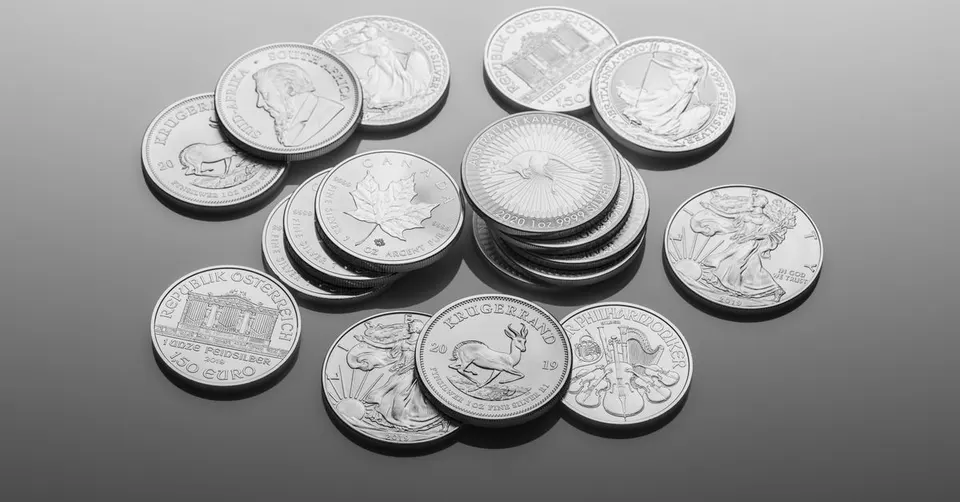
Silver has experienced a volatile year, with prices plunging 50% since their January peak. Currently trading at $60, analysts are speculating about a potential rebound that could see prices soar to $130 next year. This dramatic fluctuation highlights the challenges and opportunities present in the commodities market. The disconnect between silver's market price and its importance as an industrial and investment metal is becoming increasingly apparent.
The potential for silver to rebound is driven by factors such as increased demand for green technologies, which heavily rely on silver. Additionally, economic uncertainties and inflation fears are pushing investors to consider precious metals as a hedge. For Iranian investors, these global trends in silver could influence domestic market strategies and savings behaviors, especially as they navigate a volatile economic landscape marked by fluctuating currency values and geopolitical uncertainties.
Crypto Market Sees Stability Amidst Global Uncertainty
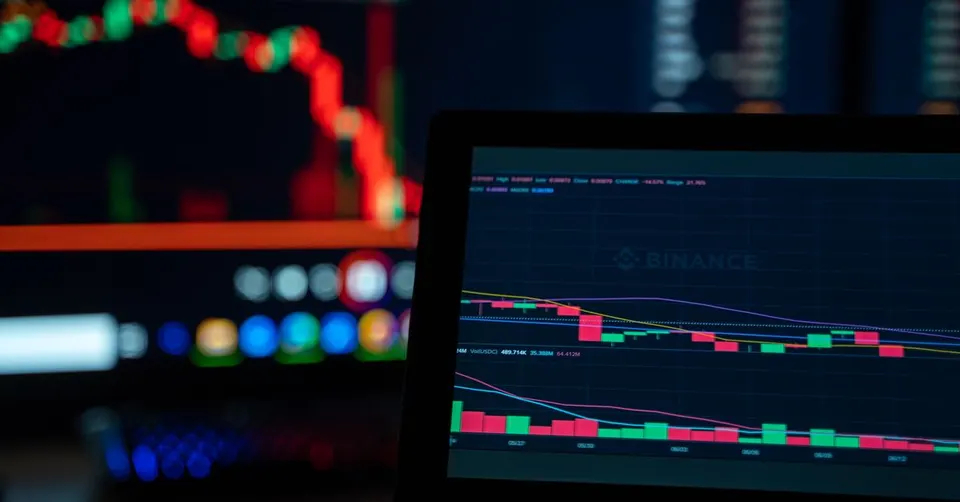
The cryptocurrency market has been relatively stable despite the geopolitical tensions and economic uncertainties gripping the world. Bitcoin is trading at $63,638, with Ethereum at $1,792, showing resilience in the face of external pressures. President Trump's recent endorsement of cryptocurrencies as "powerful" has added a layer of intrigue to the market dynamics, though his family's ventures remain distanced from his personal stance.
In Iran, the demand for stablecoins like USDT remains high as individuals seek to shield their assets from the rial's volatility. The country's economic challenges, coupled with global trends, make cryptocurrencies an attractive option for capital preservation and speculative investment. This ongoing stability in the crypto market provides a measure of reassurance to investors navigating a complex and unpredictable financial environment.
Frequently Asked Questions
What is the significance of Khamenei's funeral procession?
How is the crypto market performing amidst global tensions?
Why did Trump intervene in the FIFA red card issue?
What factors are influencing silver's market volatility?
What are the impacts of Khamenei's death on Iran's economy?
Understanding the Geopolitical Risk Premium
When investors hear news of a leader’s death, regional tensions, or sudden policy shifts, they often wonder why markets sometimes stay calm while other times they swing wildly. The answer lies in the geopolitical risk premium – an extra return that investors demand for holding assets exposed to political uncertainty. This premium is not a fixed number; it fluctuates with the perceived likelihood of events such as sanctions, military confrontations, or diplomatic breakthroughs. In the case of Iran, the death of Supreme Leader Ayatollah Khamenei adds a layer of uncertainty about succession, foreign policy, and the country’s relationship with the West, prompting traders to reassess the premium they require for Iranian‑linked assets.
The risk premium works through two main channels. First, it affects asset pricing: higher perceived risk pushes yields up on sovereign bonds and depresses equity valuations, while safe‑haven assets like gold or silver may rally as investors seek shelter. Second, it influences portfolio allocation: fund managers may reduce exposure to markets deemed volatile, shifting capital toward regions with lower perceived risk. This dynamic explains why, even amid heightened headlines, the broader global markets can remain “steady” if investors judge that the incremental risk is already priced in.
Understanding the premium also helps explain the behavior of alternative assets such as cryptocurrencies. Some investors view digital currencies as a hedge against geopolitical shocks, while others see them as too volatile to serve that purpose. The net effect depends on how the market interprets the underlying political risk versus the asset’s own price volatility. In practice, a spike in geopolitical tension can lead to simultaneous inflows into both traditional safe‑havens (like silver) and speculative assets, creating a complex but observable pattern in market data.
For policymakers and analysts, measuring the geopolitical risk premium involves looking at credit default swap (CDS) spreads, sovereign bond yields, and volatility indices (e.g., VIX). These indicators provide a real‑time gauge of how much extra compensation investors demand for bearing political uncertainty. By tracking changes in these metrics, one can anticipate shifts in capital flows before they fully manifest in price movements.
In short, the geopolitical risk premium is a vital lens for interpreting why markets react the way they do to events ranging from a funeral of a national leader to a sudden diplomatic flare‑up. Recognizing its role equips both casual observers and seasoned investors with a clearer picture of the hidden cost of political risk.