Trump Shakes NATO Over Iran Policy as Video Evidence Emerges in Charlie Kirk Murder Trial
تنش در ناتو با اظهارات ترامپ علیه ایران؛ نمایش ویدئوی لحظه قتل چارلی کرک در دادگاه آمریکا
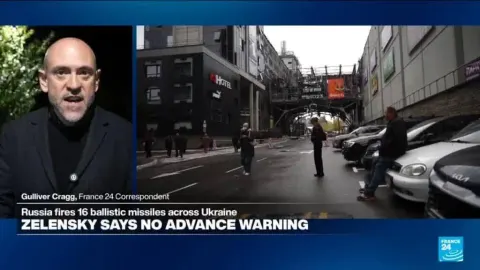
As Donald Trump arrives at the NATO summit in Ankara with fresh threats to abandon Europe over its Iran stance, prosecutors in Utah have released chilling footage of the assassination of Charlie Kirk. Meanwhile, Kazakhstan defies regional tensions by doubling down on a major infrastructure project at Iran's Bandar Abbas port.
At time of publishing
USD
175,800
Toman
Gold 18K
17.64M
Toman / gram
Bitcoin
$63,936
US Dollar
Tether
175,500
Toman
The Trial of the Decade: Evidence in the Charlie Kirk Case
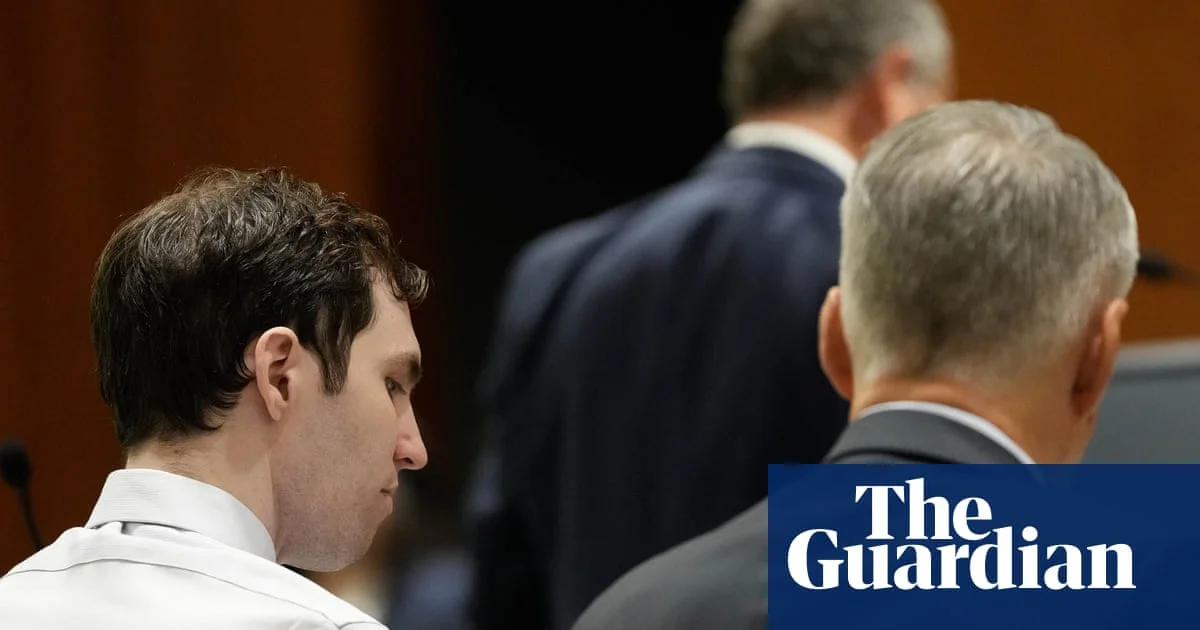
Prosecutors in Utah have intensified their case against Tyler James Robinson, the man accused of assassinating the prominent conservative commentator Charlie Kirk. During the second day of a high-stakes preliminary hearing, the Utah county attorney’s office presented video evidence that investigators claim shows Robinson infiltrating the Utah Valley University campus. The footage depicts the suspect climbing onto a roof, positioning himself for what would become a fatal shot that shocked the American political landscape. This evidence is being used to convince a state district judge that there is sufficient cause to move the case to a full trial, a move that legal experts say is almost certain given the clarity of the surveillance data.

This trial is more than just a criminal proceeding; it is a flashpoint for a deeply divided American public. Kirk’s death has become a rallying cry for his followers, and the trial is being watched globally as a barometer for political stability in the United States. For Iranian observers, the volatility within the U.S. domestic sphere is a critical factor in predicting future foreign policy. A United States preoccupied with internal strife and high-profile political violence is often a United States that acts unpredictably on the world stage, particularly regarding sanctions and diplomatic engagements in the Middle East.
Trump’s Ankara Ultimatum and the Iran Factor
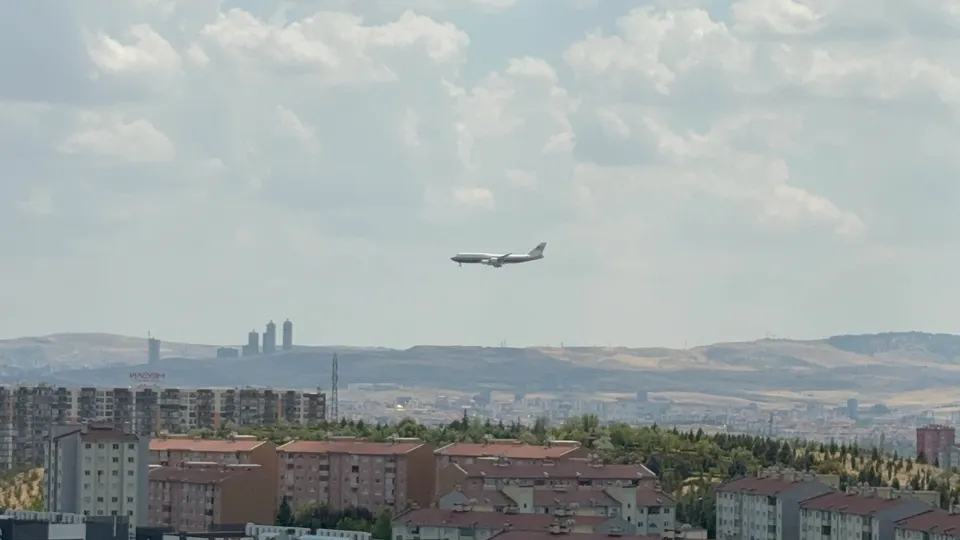
Donald Trump has once again sent shockwaves through the international community upon his arrival at the NATO summit in Ankara. Reviving his controversial proposal for the United States to acquire Greenland, the President used the global stage to threaten a total withdrawal of American troops from Europe. His primary grievance appears to be the refusal of European allies to align more strictly with his administration's aggressive stance on Iran. Trump explicitly mentioned that his commitment to defending the continent has been undermined by European decisions regarding immigration, energy, and what he perceives as a soft approach to Tehran’s regional influence.
The implications for Iran are profound. If Trump succeeds in fracturing the NATO consensus on Iran, it could lead to a 'maximum pressure 2.0' scenario where the U.S. acts without the moderating influence of its European partners. However, the pushback from Europe suggests a growing rift that might actually offer Iran more room to maneuver diplomatically. In the currency markets, these geopolitical tremors are already being felt. The USD sell rate in Tehran has moved from 174,750 to 175,800 (+0.6%), reflecting a cautious sentiment among traders who fear that a breakdown in NATO-U.S. relations could lead to heightened regional volatility.
Kazakhstan’s Strategic Gamble at Bandar Abbas
In a move that highlights the shifting alliances of Central Asia, Kazakhstan has announced plans to build a dedicated terminal at the Iranian port of Bandar Abbas. Despite the lingering threat of U.S. secondary sanctions, the Kazakh government is betting on Iran’s southern coast to facilitate its global exports. Deputy Prime Minister Serik Zhumangarin clarified that while the project is a national priority, it will be funded entirely through private investment, occupying roughly 15 hectares of the strategic port. This development signifies Kazakhstan's desire to reduce its reliance on traditional northern trade routes, looking instead toward the International North-South Transport Corridor (INSTC).
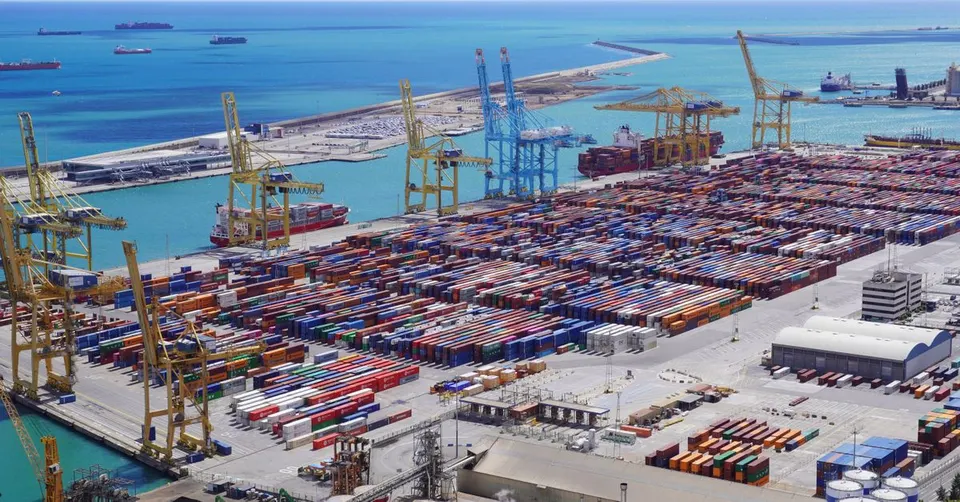
For the Iranian economy, this is a significant win at a time when the government is desperate for infrastructure investment. The project not only promises to bring in much-needed foreign capital but also solidifies Iran’s role as a transit hub for landlocked Central Asian nations. While the Emami coin has risen from 177,000,000 to 179,000,000 (+1.1%) amid broader market uncertainty, the Kazakhstan deal provides a rare piece of positive fundamental news. It suggests that despite the heavy hand of Western sanctions, regional neighbors are increasingly willing to overlook political risks in favor of economic necessity and geographic logic.
Global Hardship: From Cuba to Melbourne
While high-level diplomacy dominates the headlines, the human cost of global economic policies is becoming increasingly visible. In Cuba, families are reportedly surviving on as little as $60 a month as the U.S. oil blockade continues to cripple the island’s economy. This situation mirrors the struggles faced by many in the sanctioned world, where community solidarity has become the only viable safety net. These stories of survival serve as a grim reminder of the real-world impact of the geopolitical chess games being played in cities like Ankara and Washington, emphasizing the fragility of the global middle class in the face of systemic inflation and trade wars.
In a lighter but no less strange turn of events, the city of Melbourne saw an hours-long standoff end with the arrest of a man who climbed a 140-foot bridge tower to paint graffiti. The symbol, known as 'Pam the Bird,' has become a viral sensation across Australia. While seemingly disconnected from global finance, such events often capture the public's attention as a form of escapism from the crushing weight of economic news. For the average reader, whether in Tehran or Melbourne, the world of 2026 feels increasingly chaotic, where even a bird painted on a bridge can briefly distract from a global economy that feels like it's on the brink of another major shift.
Frequently Asked Questions
How does Trump's NATO stance affect the Iranian Toman?
Why is Kazakhstan investing in Bandar Abbas despite US sanctions?
What is the significance of the video evidence in the Charlie Kirk trial?
Understanding Secondary Sanctions and Their Impact on Iran Trade
Secondary sanctions are punitive measures imposed by a country—most often the United States—against non‑domestic firms, banks, or individuals that facilitate prohibited activities with a targeted nation. Unlike primary sanctions, which directly forbid a country's own citizens from dealing with the target, secondary sanctions extend the reach of the embargo by threatening to cut off access to the sanctioning country's financial system, most notably the U.S. dollar clearing network. This mechanism forces even neutral third‑party actors, such as companies in Kazakhstan or NATO member states, to weigh the risk of losing U.S. market access against the profit of trading with Iran.
The legal basis for secondary sanctions lies in the International Emergency Economic Powers Act (IEEPA) and related executive orders. When the U.S. Treasury’s Office of Foreign Assets Control (OFAC) designates an entity for secondary sanctions, it can block any U.S. person from transacting with that entity, freeze any assets under U.S. jurisdiction, and prohibit the entity from using the U.S. dollar for international payments. Because the vast majority of global trade is settled in dollars, the threat is powerful enough to deter many potential partners, even if they are geographically distant from the United States.
For NATO members, secondary sanctions raise diplomatic and strategic dilemmas. While the alliance’s collective defense commitments under Article 5 are unrelated to economic policy, many NATO countries host U.S. military bases and rely on American security guarantees. Consequently, they often align their national sanctions regimes with U.S. policy to avoid jeopardizing the broader security partnership. This alignment can affect projects like the proposed Bandar Abbas investment or trade routes linking Kazakhstan to Iran, as firms must assess whether participation could trigger secondary sanctions.
The ripple effects also touch currency markets. When secondary sanctions tighten, Iranian banks face reduced access to dollar liquidity, pushing the unofficial USD/IRR exchange rate higher. Investors watch these movements closely, as they signal the severity of sanctions pressure and can influence the price of assets such as the Emami coin, which is tied to Iran’s domestic economy. Understanding secondary sanctions thus provides a lens to interpret geopolitical headlines, trade dynamics, and financial market reactions.
For those interested in deeper research, the following sources offer comprehensive overviews of the legal framework, recent U.S. actions against Iran, and NATO’s stance on sanctions coordination.