I.O.C. Reinstates Russia for 2028 Olympics Amid Global Tensions
کمیته بینالمللی المپیک تعلیق روسیه را برای ۲۰۲۸ لغو کرد
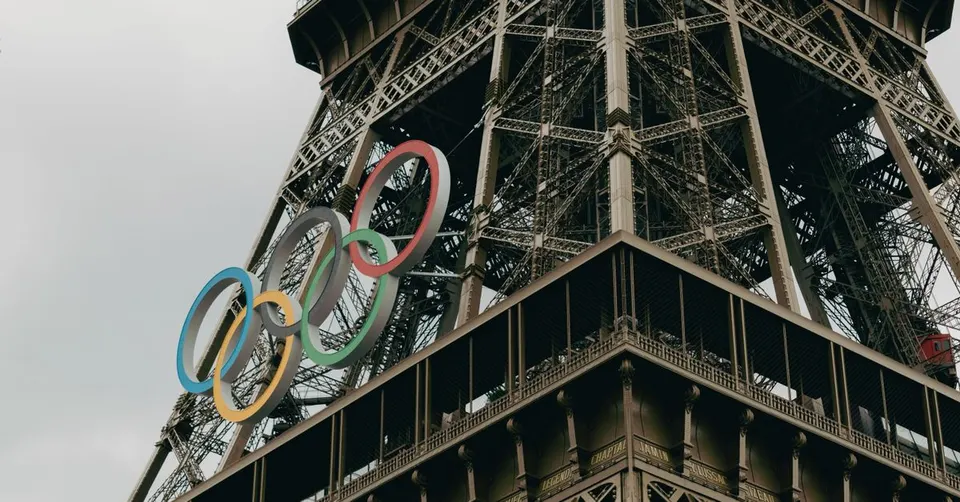
The International Olympic Committee has lifted Russia's Olympic suspension, paving the way for its participation in the 2028 Games. This decision, amid ongoing geopolitical tensions, could have wide-reaching implications.
At time of publishing
USD
175,800
Toman
Gold 18K
17.64M
Toman / gram
Bitcoin
$63,723
US Dollar
Tether
176,675
Toman
I.O.C. Lifts Russia's Olympic Suspension
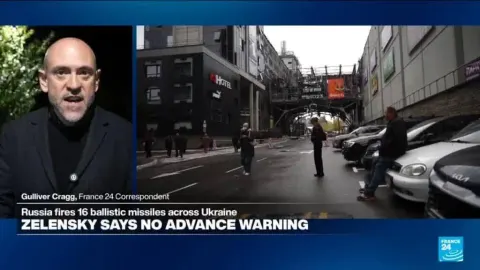
The International Olympic Committee (I.O.C.) has made a significant decision to lift the suspension on Russia, allowing the nation to participate in the 2028 Olympic Games. This move comes after a provisional ban was imposed due to Russia's military actions in Ukraine. The decision is seen as a step towards reintegrating Russia into the international sports community, although it remains controversial given the ongoing geopolitical tensions.
This development is crucial as it signals a shift in international sports diplomacy. The I.O.C.'s decision may influence other international bodies to reconsider their stances on engaging with Russia. Additionally, this reinstatement could affect the preparation and strategies of other nations participating in the 2028 Olympics, as they may need to account for the competitive presence of Russian athletes.
Elon Musk's Terafab and the Chip Sector
Elon Musk's latest venture, Terafab, is projected to significantly impact the semiconductor industry. According to a report by UBS, SpaceX plans to invest approximately $135 billion in wafer-fab equipment over the next five years. This investment is anticipated to boost a segment of the chip sector that has been struggling with supply chain issues and technological stagnation.
The implications of this investment are multifaceted. For the semiconductor industry, it promises to invigorate production capabilities and innovation. For investors, Musk's involvement signals potential growth and profitability, making the sector an attractive proposition. This development underscores Musk's growing influence beyond automotive and space industries, potentially reshaping the tech landscape.

President Pezeshkian's Visit to Najaf
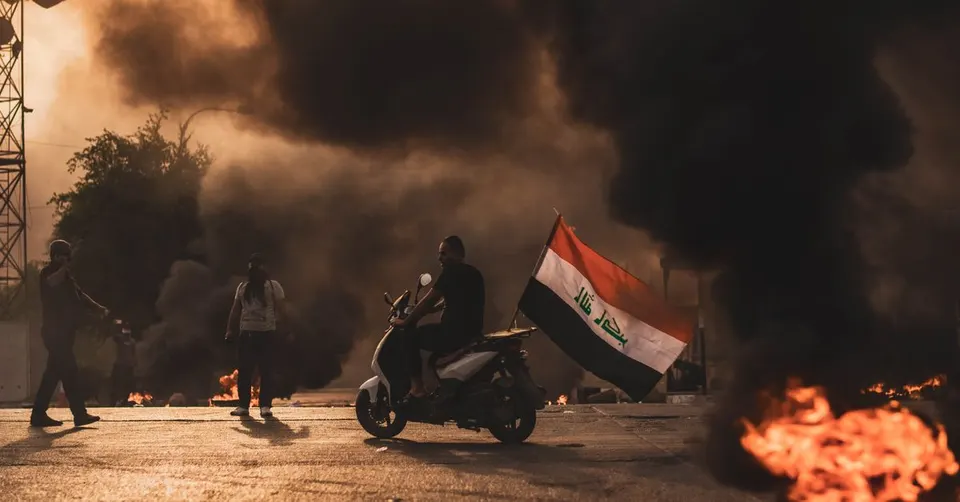
Iranian President Masoud Pezeshkian has arrived in the Iraqi city of Najaf, marking a significant diplomatic gesture amid regional tensions. The visit coincides with the funeral procession for Ayatollah Seyyed Ali Khamenei, a pivotal figure in Iran's political landscape. Pezeshkian's presence highlights the deep-seated ties between Iran and Iraq, particularly in religious and political contexts.
This visit is pivotal as it reaffirms Iran's influence in Iraq and the broader Middle East. The diplomatic engagement underscores the importance of maintaining regional alliances, especially as Iran navigates complex geopolitical challenges. For Iranian audiences, this visit could signal stability and continuity in foreign relations, potentially impacting public sentiment and economic expectations.
Discord's AI Moderation Controversy
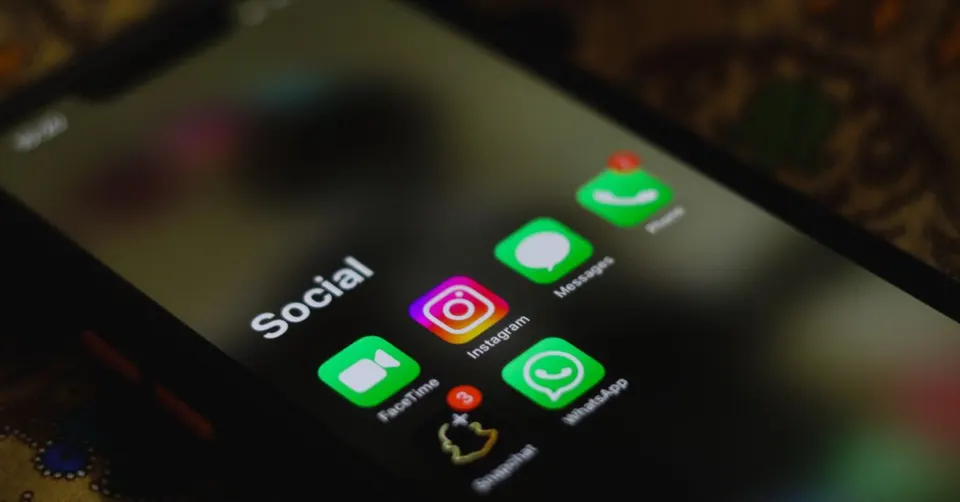
In a recent revelation, Discord admitted that a bug in its AI moderation system wrongfully banned over 8,000 users. The system mistakenly flagged harmless images as harmful content, leading to widespread user dissatisfaction. This issue, persisting since May, highlights the challenges tech companies face in deploying AI for content moderation.
The incident raises critical questions about the reliability and transparency of AI systems in moderating online platforms. It underscores the need for robust testing and accountability mechanisms to prevent similar occurrences. For users and developers, this serves as a reminder of the complexities involved in AI integration, emphasizing the balance between technological advancement and user trust.
Frequently Asked Questions
Why did the I.O.C. lift Russia's suspension?
How might Elon Musk's Terafab impact the chip sector?
What was the purpose of President Pezeshkian's visit to Najaf?
What caused the AI moderation bug on Discord?
How does the lifting of Russia's suspension affect other Olympic participants?
Sports Diplomacy: Bridging Divides or Navigating Geopolitics?
Sports diplomacy is a fascinating and often contentious aspect of international relations, where athletic competition transcends mere games to become a tool for fostering understanding, building relationships, or even advancing political agendas between nations. It operates on the premise that shared passion for sports can create common ground, allowing dialogue and interaction even when traditional diplomatic channels are strained or non-existent. From "ping-pong diplomacy" between the U.S. and China in the 1970s to the symbolic gestures at Olympic opening ceremonies, sports have historically served as a powerful medium for cultural exchange and soft power projection.
However, the realm of sports diplomacy is rarely straightforward. International sporting bodies, such as the International Olympic Committee (IOC), often strive to maintain political neutrality, adhering to the Olympic Charter's principle that "sport must be autonomous." Yet, major global events like the Olympics are inherently political stages, reflecting and reacting to the prevailing geopolitical landscape. Decisions regarding participation, boycotts, or even host city selections are frequently scrutinized through a political lens, highlighting the tension between the ideal of universal athletic competition and the realities of national interests and global conflicts.
The IOC's decision to reinstate Russia for the 2028 Olympics, despite ongoing international tensions and sanctions related to its actions, exemplifies this complex balancing act. While proponents might argue it upholds the principle of individual athlete participation and the universality of the Games, critics view it as a legitimization of a state's controversial policies, undermining the moral stance of the international community. This situation underscores the immense pressure on sports organizations to navigate a world where political neutrality is increasingly difficult to maintain, and every decision carries significant diplomatic weight.
Ultimately, sports diplomacy remains a double-edged sword. It offers a unique avenue for dialogue and peace-building, allowing nations to connect on a human level beyond political rhetoric. Yet, it also risks becoming entangled in geopolitical disputes, potentially compromising the integrity of sports or being exploited for political gain. Understanding this dynamic is crucial for appreciating the broader implications of decisions made by international sporting bodies and the enduring power of sports on the global stage.