Hunter Biden Wins $1.7M Over Iran Bribery Slurs as Rial Recovers 1.2% Mid-Crisis
جریمه ۱.۷ میلیون دلاری برای ادعای رشوه از ایران؛ هانتر بایدن پیروز شد، ریال ۱.۲ درصد جان گرفت
A US judge has awarded Hunter Biden $1.7 million in a defamation lawsuit regarding false claims of Iranian bribery, while the Iranian Rial saw a 1.2% recovery as diplomatic efforts in Oman intensified. Despite fiery rhetoric of revenge from Tehran, the local market is showing a cautious correction in gold and currency prices.
At time of publishing
USD
176,200
Toman
Gold 18K
17.52M
Toman / gram
Bitcoin
$64,372
US Dollar
Tether
176,767
Toman
The $1.7 Million Verdict: Debunking the Iran Bribery Narrative
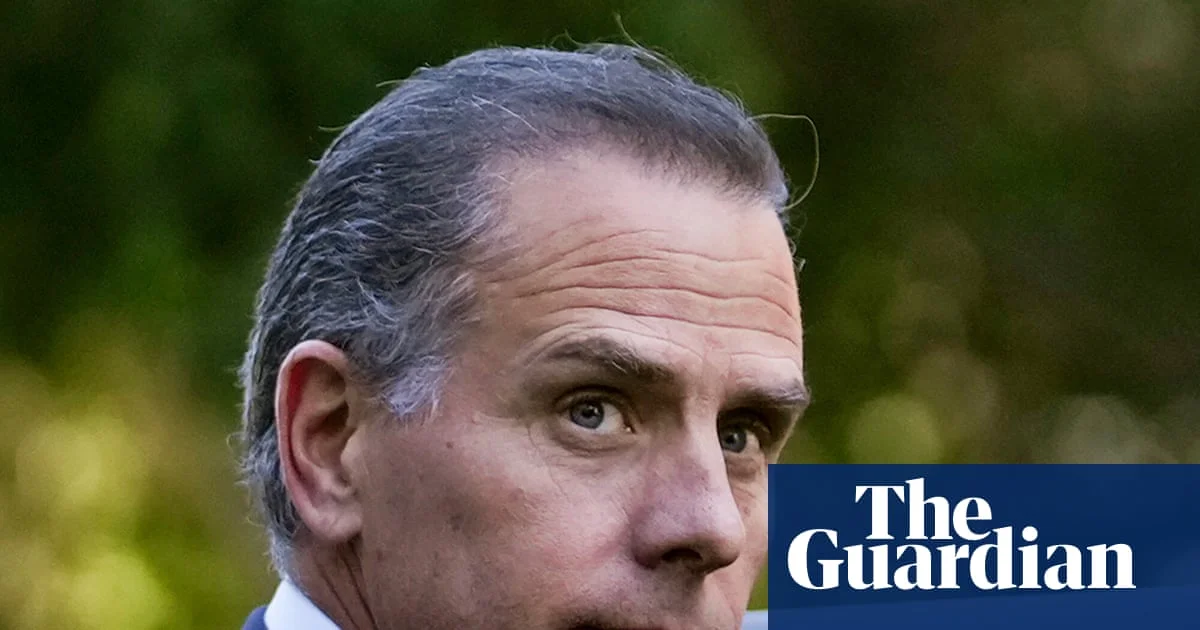
In a significant legal victory that ripples into the world of US-Iran geopolitical discourse, a federal judge has awarded Hunter Biden $1.7 million in punitive damages. The lawsuit was filed against Patrick Byrne, the former CEO of Overstock.com and a prominent ally of Donald Trump, who had publicly accused the younger Biden of seeking a bribe from the Iranian government in 2021. Byrne’s claim suggested that Hunter Biden offered to lobby his father to release approximately $8 billion in frozen Iranian assets in exchange for personal payment—a narrative that has been central to various conspiracy circles for years.
This verdict is more than just a personal legal win; it effectively dismantles a specific piece of the 'bribery' framework that has complicated diplomatic perceptions between Washington and Tehran. By labeling these claims as defamatory and awarding substantial damages, the court has signaled that the narrative of back-channel financial corruption regarding frozen assets lacked any factual basis. For Iranian observers, this highlights the ongoing domestic legal battles in the U.S. that often weaponize the issue of 'frozen billions' to score political points, regardless of the actual diplomatic reality on the ground.
Oman Diplomacy vs. Vows of Revenge: A Tense Balancing Act
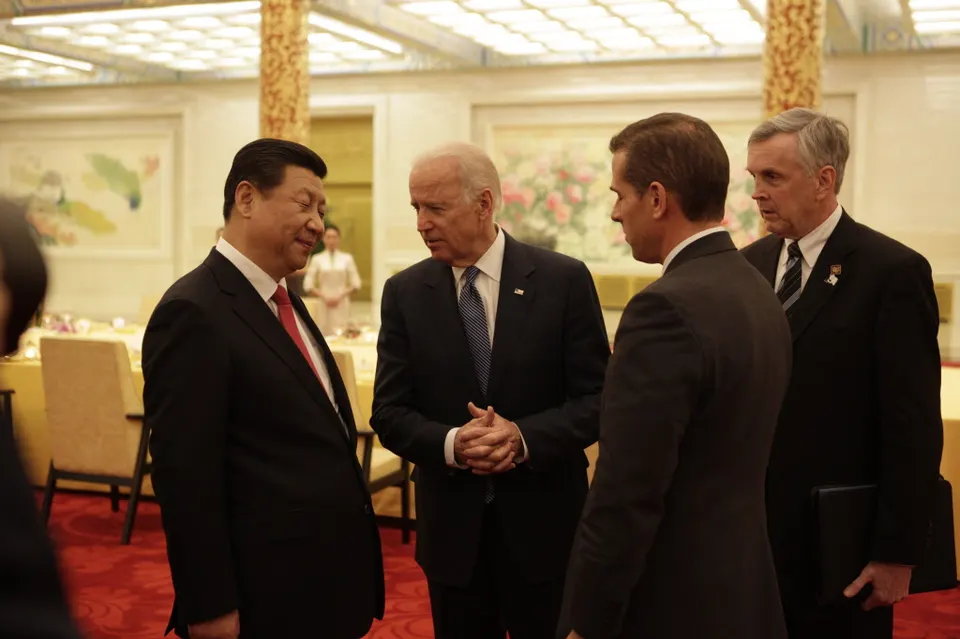
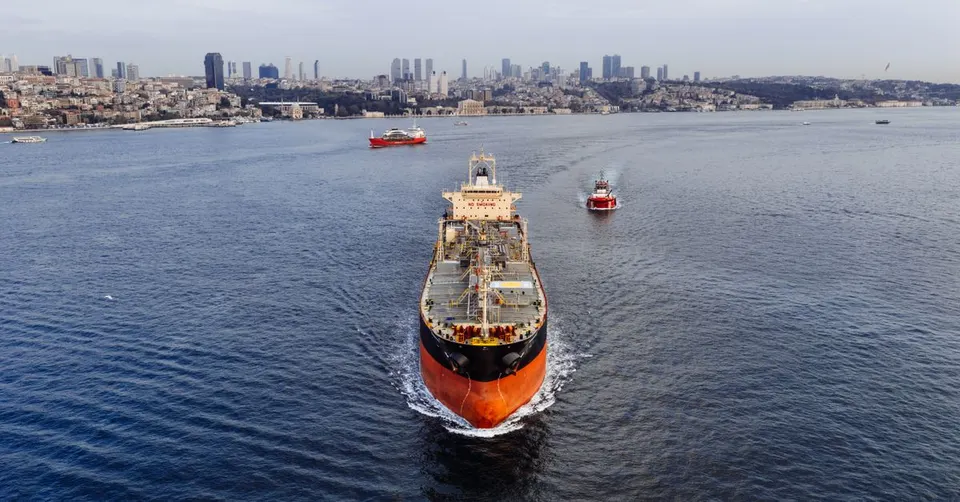
As the legal drama unfolded in the United States, Iran’s top diplomat arrived in Oman for critical discussions regarding the escalating crisis in the Strait of Hormuz. This visit follows a week of heavy military friction between U.S. and Iranian forces, which has brought the region to its most volatile state in years. While the diplomat’s presence in Muscat suggests a desire for a de-escalation channel, the rhetoric from Tehran remains fiercely combative. The Supreme Leader has recently vowed 'revenge' for the killing of his father, a statement that has injected a high level of unpredictability into the regional security equation.
This 'dual-track' approach—aggressive rhetoric for domestic consumption and quiet diplomacy in Oman—is a familiar pattern, but the stakes are now significantly higher. The proposed 'Hormuz Toll' and the threats to navigation have forced international shipping companies to reconsider their routes, driving up insurance premiums and global energy concerns. The outcome of the talks in Oman will likely determine whether the current friction evolves into a full-scale maritime blockade or if a temporary 'freeze-for-freeze' agreement can be reached to stabilize the vital shipping lane.
Market Correction: The Rial and Gold Recede from the Peak
Despite the fiery geopolitical headlines, the Iranian domestic market has shown a surprising degree of resilience and correction over the past 24 hours. The USD/IRR exchange rate, which had been flirting with record highs, moved from 178,250 to 176,200, representing a 1.2% gain for the Rial. This cooling off is largely attributed to the news of the Oman negotiations, as traders often front-run potential diplomatic breakthroughs. When the 'back-channel' opens, the immediate fear-premium in the currency market tends to dissipate, at least temporarily.
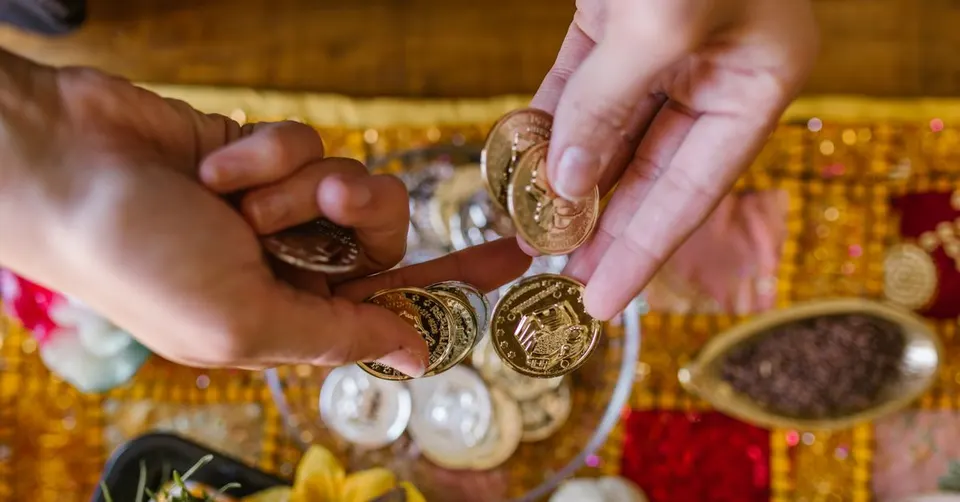
Even more dramatic was the move in the gold market. The Emami gold coin, often seen as the ultimate hedge against war and inflation in Iran, tumbled from 181,500,000 to 176,000,000 Toman, a sharp 3.0% decline. This suggests that the 'bubble' of panic-buying that characterized the previous session is beginning to deflate. While 18k gold only saw a minor 0.4% dip (moving to 17,523,893 Toman per gram), the outsized drop in coins indicates that speculative positions are being liquidated as the immediate threat of a wider conflict appears to have been delayed by the diplomatic mission to Muscat.
Global Tragedies and Economic Caution in Europe
Beyond the Middle East, a somber mood has taken hold in Europe as a devastating wildfire in Southern Spain claimed the lives of at least 12 people. Officials have confirmed that many of the victims were tourists from Britain and Belgium, highlighting the increasing human cost of extreme weather events during the summer season. The tragedy has prompted fresh debates across the continent regarding energy consumption and the reliance on air conditioning, which ironically contributes to the very carbon emissions driving these heatwaves. As energy demand surges to keep Europe cool, the transition to renewables remains a slow and difficult process.
In the financial world, investors are currently paralyzed by the 'wait and see' game regarding the Federal Reserve's next rate decision. With CD rates hovering around 4%, the debate among retail investors is whether to lock in these returns now or wait for a potential hike that could follow the next meeting. This global atmosphere of economic caution, combined with the tragic news from Spain and the high-profile murder investigation of a former MP in the UK, has created a risk-averse environment where cash remains king and major moves in equity markets are being held back until clearer policy signals emerge.
Frequently Asked Questions
Why did Hunter Biden win $1.7 million from Patrick Byrne?
What is the significance of the current diplomatic talks in Oman?
Why is the price of the Emami gold coin falling faster than the US Dollar?
The Iranian Rial: A Window into Currency Volatility in Sanctioned Economies
The Iranian Rial (IRR) serves as a compelling case study for understanding currency volatility, particularly in economies subjected to extensive international sanctions and geopolitical pressures. Unlike currencies in more open markets, the Rial's value is often a direct reflection of political tensions, the efficacy of sanctions, and shifts in global energy markets. Its frequent fluctuations against major currencies like the US Dollar highlight how deeply external factors can impact a nation's economic stability and the daily lives of its citizens.
At the heart of the Rial's instability are the multifaceted economic sanctions imposed on Iran, which severely restrict its access to international financial systems, oil revenues, and foreign investment. These sanctions reduce the supply of foreign currency within Iran, driving up the value of the dollar and other hard currencies relative to the Rial. Geopolitical events, such as tensions in the Strait of Hormuz or developments in nuclear negotiations, further exacerbate this volatility by creating uncertainty, which prompts capital flight and speculative trading, pushing the Rial's value down.
The consequences of such persistent currency volatility are profound. For ordinary Iranians, it translates into soaring inflation, diminished purchasing power, and a struggle to afford imported goods or even basic necessities. Businesses face immense challenges in planning, importing raw materials, and engaging in international trade. Even a seemingly modest recovery, like the 1.2% mentioned in the headline, can be noteworthy in this context, as it might signal a temporary easing of tensions, a successful circumvention of sanctions, or a shift in government policy, offering a fleeting moment of relief amidst ongoing economic strain.
Understanding the dynamics of the Iranian Rial offers crucial insights into the broader challenges faced by sanctioned economies. It underscores how political decisions and international relations can have immediate and tangible effects on national currencies, shaping economic realities far beyond mere exchange rates.