Ebola Scare in DRC and Hormuz Diplomacy: Global Risks Heighten as U.S. Stocks Hit 'Too Big To Fail' Status
هشدار ابولا در کنگو و دیپلماسی هرمز در عمان؛ ریسکهای جهانی در سایه بازار سهام «بیش از حد بزرگ» آمریکا
A U.S. aid worker has tested positive for Ebola in the DRC, sparking global health concerns, while Iran's top diplomat arrives in Oman to navigate a tense Strait of Hormuz standoff. Meanwhile, Big Tech's carbon footprint explodes, and analysts warn the U.S. stock market has become too systemic to allow for traditional bear markets.
At time of publishing
USD
176,200
Toman
Gold 18K
17.51M
Toman / gram
Bitcoin
$64,115
US Dollar
Tether
176,914
Toman
Global Health Alarm: Ebola Returns via the DRC
A United States citizen working for the humanitarian organization Samaritan’s Purse has tested positive for Ebola in the Democratic Republic of Congo (DRC). This development has immediately triggered a high-level response from both African and American health officials, as the individual was actively involved in aid work within a region already struggling with systemic instability. The confirmation of the virus in a Western aid worker often serves as a catalyst for broader international intervention, but it also raises the specter of cross-border transmission in an era of high global mobility. For the DRC, an Ebola outbreak is a recurring nightmare that drains resources and complicates an already fragile security situation.
The timing of this infection is particularly sensitive given the current strain on global supply chains and the heightened state of alert regarding infectious diseases. While Samaritan’s Purse has a long history of managing such crises, the logistical challenge of treating and potentially evacuating a patient under these circumstances is immense. From a geopolitical perspective, this incident forces Washington to pivot some attention back to Central Africa, a region that has recently been overshadowed by conflicts in Europe and the Middle East. If the outbreak spreads beyond isolated clusters, we could see renewed travel restrictions and a dampening of economic activity in the sub-Saharan region, which would inevitably ripple through emerging market indices.

The Hormuz Standoff: Diplomacy in the Shadow of Conflict
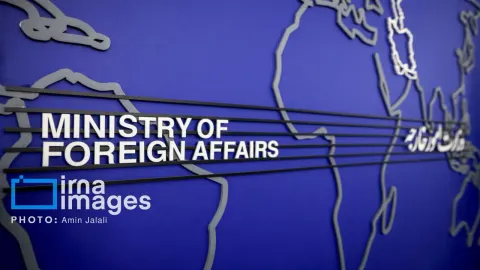
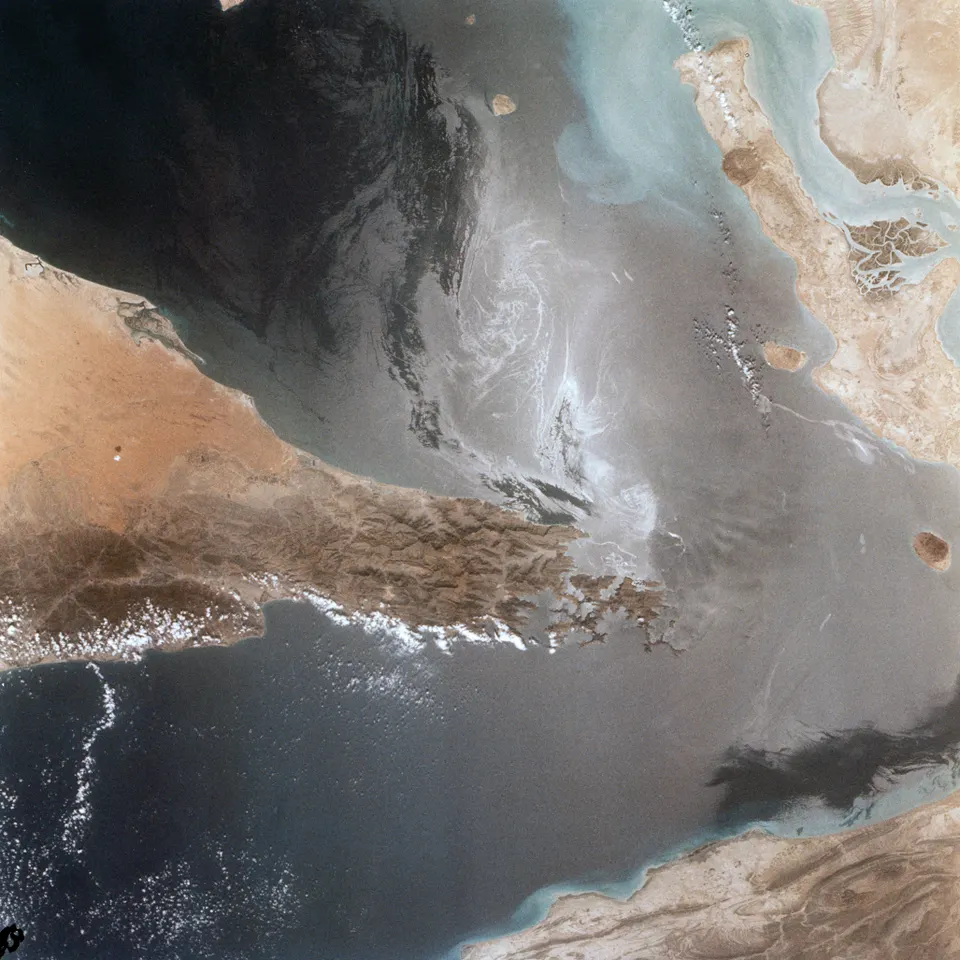
Iran’s top diplomat has arrived in Muscat, Oman, for urgent talks aimed at de-escalating the growing crisis in the Strait of Hormuz. This diplomatic mission follows a week of intense military friction between U.S. and Iranian forces in the vital waterway, which remains the world’s most critical chokepoint for oil transit. While the Iranian foreign ministry frames the visit as a routine consultation with a long-standing mediator, the reality is far more pressing. The recent clashes have pushed insurance premiums for tankers to record highs and have forced regional actors to reconsider the viability of the current maritime security framework.
In the domestic Iranian market, this geopolitical tension has manifested in notable price movements, though the Rial showed a surprising moment of resilience today. The USD/IRR exchange rate moved from 178,250 to 176,200, a decrease of 1.2%. This slight cooling of the dollar may reflect market hopes for a diplomatic breakthrough in Oman, even as U.S. President Donald Trump simultaneously declared that the existing ceasefire is effectively over. The mixed signals—Tehran seeking mediation while Washington signals a return to active confrontation—create a volatile environment for traders. Emami coins also saw a significant drop, falling from 181,500,000 to 176,500,000 Toman (-2.8%), suggesting that the local speculative bubble is highly sensitive to the possibility of de-escalation.
Big Tech’s Carbon Crisis: The AI Energy Hunger
A staggering new report has revealed that the collective carbon emissions of Microsoft, Amazon, and Google have surged to nearly one-third of the total emissions of France. This massive spike, which saw a nearly 20% increase in the past year alone, is almost entirely driven by the breakneck expansion of data centers required to power the global artificial intelligence boom. Despite the lofty "net zero" promises made by these tech giants, the physical reality of building and cooling the massive server farms needed for generative AI is proving to be an environmental catastrophe. The 119 million metric tonnes of CO2 equivalent emitted by these three companies represents a systemic failure to decouple technological growth from environmental degradation.
This trend poses a significant risk to the long-term valuation of Big Tech stocks. As governments, particularly in the European Union, move toward stricter carbon taxes and environmental mandates, the cost of operating these data centers will inevitably rise. Investors are beginning to realize that the "clean" image of the digital economy was a facade that could not withstand the energy-intensive demands of AI models. If these companies cannot find a way to secure massive amounts of renewable energy—an increasingly difficult task given the competition for green power—they may face regulatory caps on their growth or significant public backlash that could erode their market dominance.
The 'Too Big To Fail' Stock Market Paradigm
Analysts are increasingly warning that the U.S. stock market has entered a phase where it is becoming "too big to fail." The argument posits that the market’s total capitalization and its integration into the retirement savings of the global middle class have made it a matter of national security for the Federal Reserve to prevent any protracted bear markets. This systemic importance suggests that the era of multi-year market downturns may be a thing of the past, as any significant dip triggers an immediate and massive liquidity injection from central banks. While this provides a safety net for investors, it also creates a massive moral hazard, encouraging riskier behavior and inflating asset bubbles far beyond their fundamental value.

This shift in market dynamics has profound implications for global finance. If the U.S. market is indeed protected by an implicit government guarantee, it will continue to suck capital away from other regions, including emerging markets and traditional safe havens like gold. However, the cost of this protection is the continued debasement of the dollar and a permanent state of high inflation. For Iranian investors, this means that while the USD remains a dominant store of value, its purchasing power on the global stage is being systematically eroded by the very policies designed to keep the American stock market afloat. Understanding this "too big to fail" logic is essential for anyone trying to navigate the complex relationship between Wall Street and global currency markets.
Frequently Asked Questions
How does the Ebola case in DRC affect global markets?
Why did the Rial gain value despite Trump saying the ceasefire is over?
What does 'Too Big To Fail' mean for the US stock market?
Understanding "Too Big To Fail"
The phrase "Too Big To Fail" (TBTF) describes a financial institution or, more broadly, an economic entity whose collapse would be so catastrophic to the wider economy that a government would be compelled to intervene and provide financial support to prevent its failure. This concept gained widespread prominence during the 2008 global financial crisis when governments around the world bailed out major banks and corporations, arguing that their demise would trigger a systemic meltdown, leading to job losses, credit freezes, and a deep recession.
The implications of an entity being deemed TBTF are profound. Firstly, it creates what economists call "moral hazard": if institutions believe they will be rescued by the government in times of crisis, they may be incentivized to take on excessive risks, knowing that the potential downside is mitigated by taxpayer support. Secondly, it can distort market competition, giving larger firms an implicit government guarantee that smaller competitors do not possess. Lastly, it highlights the issue of systemic risk, where the interconnectedness of large financial players means the failure of one can trigger a domino effect across the entire financial system.
The concept of TBTF remains a subject of intense debate. Critics argue that government bailouts undermine free-market principles, encourage reckless behavior, and shift the burden of risk from private entities to the public. Proponents, however, contend that preventing a systemic collapse is a necessary evil to protect the broader economy and the livelihoods of millions. Regulatory efforts since 2008, such as stricter capital requirements and the development of "living wills" (resolution plans), aim to mitigate the TBTF problem by making it easier and safer for large institutions to fail without triggering a wider crisis. The headline's application of this idea to the "US stock market" suggests a concern that the market itself, or the dominant companies within it, has reached a level of systemic importance where its significant decline could also warrant extraordinary intervention.