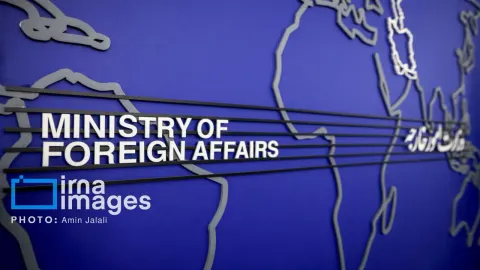
French Diplomatic Crisis Erupts in Tehran as Pezeshkian Warns of ‘Full-Scale War’
بحران دیپلماتیک با فرانسه و هشدار پزشکیان درباره «جنگ تمامعیار»؛ کاهش ۱.۳ درصدی قیمت دلار
Tensions between Tehran and the West reached a boiling point this hour as France accused Iranian security forces of physically abusing a diplomat. Meanwhile, President Pezeshkian has characterized the current conflict with the US as a 'full-scale war,' even as the Rial shows a surprising 1.3% gain amid rumors of a 10-day ceasefire.
At time of publishing
USD
188,600
Toman
Gold 18K
18.19M
Toman / gram
Bitcoin
$65,412
US Dollar
Tether
188,827
Toman
French Diplomats Subjected to ‘Intimidation’ as Relations Fray
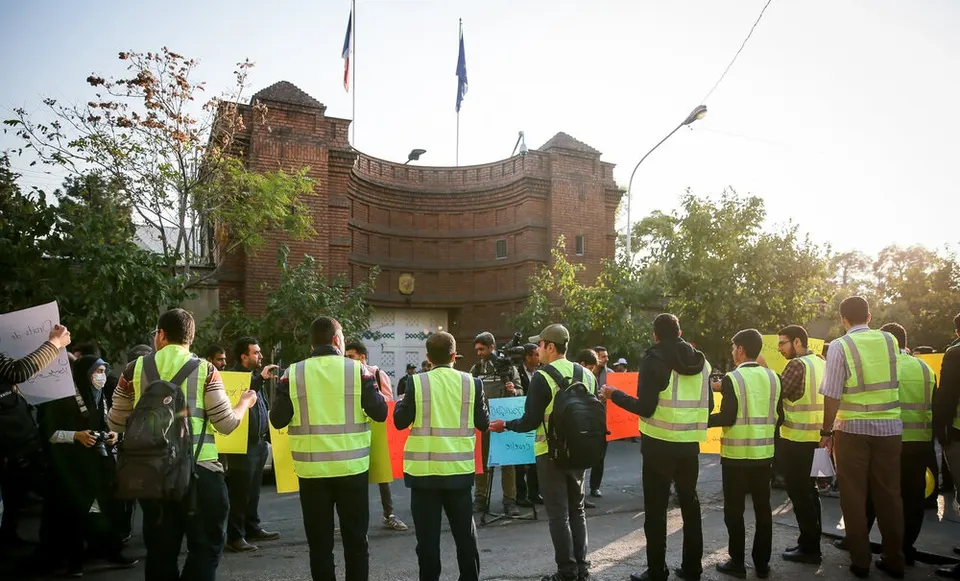
France’s Foreign Minister Jean-Noël Barrot has delivered a stinging rebuke to Tehran, revealing that two French embassy officials were subjected to an “extremely serious act of intimidation” by Iranian security services. According to Barrot, the officials were detained and interrogated for hours on Sunday, with one reportedly suffering physical abuse. This escalation marks a significant breakdown in diplomatic norms and suggests a hardening of the internal security apparatus within Iran, likely in response to increasing Western pressure and the ongoing regional military conflict.
The incident is not merely a bilateral spat; it signals a potential shift toward total diplomatic isolation for the Islamic Republic. In the world of international relations, the physical mistreatment of a diplomat is considered a 'red line' that often precedes the withdrawal of ambassadors or the imposition of severe retaliatory sanctions. For Iranian citizens, this development suggests that any hopes for a diplomatic breakthrough or the easing of international isolation are fading, which typically puts long-term pressure on the national currency and foreign investment prospects.
Pezeshkian’s ‘Full-Scale War’ Rhetoric vs. Market Realities
President Masoud Pezeshkian has starkly described the current state of affairs as a “full-scale war” with the United States. This declaration follows a ninth consecutive night of US airstrikes targeting military command centers, air defenses, and drone launch sites across northern and central Iran. While the rhetoric from the presidency is designed to galvanize domestic support and project strength, the financial markets are telling a more complex story. Despite the “war” label, the USD/IRR exchange rate actually saw a retreat, moving from 191,000 to 188,600 Toman, a decrease of 1.3% over the last 24 hours.
This counter-intuitive market movement is largely driven by reports of a 10-day ceasefire proposal currently circulating in diplomatic circles. Traders appear to be betting on a temporary de-escalation rather than a total collapse into regional chaos. However, the volatility remains extreme; Brent crude oil briefly crossed the $91 mark earlier today before dipping back toward $87 as news of the potential ceasefire broke. For the average Iranian, this means the cost of imported goods and the general inflation outlook remain tethered to the outcome of these high-stakes negotiations, with the 188,000 Toman floor for the Dollar acting as a critical psychological barrier.

Regional Contagion: Houthi Blockades and Gulf Shipping Fears
The conflict is rapidly expanding beyond the borders of Iran and the US. Yemen’s Iran-aligned Houthis have officially declared a naval blockade on Saudi Arabia, a move that directly threatens the alternative export routes Riyadh uses to bypass the volatile Strait of Hormuz. Simultaneously, Bahrain has reported attacks on its civil air navigation systems, further complicating the safety of regional logistics. These developments have kept the 'risk premium' on gold exceptionally high, even as local prices in Iran saw a slight correction. Emami coins dropped from 189 million to 183 million Toman (-3.2%), reflecting a localized liquidity crunch or perhaps profit-taking following recent spikes.
What this means for the global economy is a permanent state of high alert. If the Houthis successfully disrupt Saudi shipping in the Red Sea while the Strait of Hormuz remains a combat zone, the world faces a dual-chokehold on energy supplies. This explains why gold remains near $4,013 per ounce; investors are seeking a permanent hedge against a regional system that appears to be fracturing. For the Iranian public, the combination of domestic military strikes and regional blockades suggests that even if a 10-day ceasefire is reached, the underlying structural instability of the Middle East will continue to drive high prices for gold and hard currency for the foreseeable future.
Frequently Asked Questions
Why did the Dollar drop in Iran despite the 'full-scale war' rhetoric?
What are the consequences of the physical abuse allegations against French diplomats?
How does the Houthi blockade on Saudi Arabia affect the Iranian economy?
The Geopolitical Significance of Maritime Chokepoints: The Strait of Hormuz
Maritime chokepoints are narrow sea passages that are incredibly vital for global trade, particularly for the transport of energy resources like oil and natural gas. Their geographical constriction makes them highly strategic yet vulnerable to geopolitical events, conflicts, or even piracy. Any disruption in these critical arteries of global commerce can have immediate and far-reaching economic consequences, affecting everything from commodity prices to national economies. Understanding these chokepoints is key to grasping the intricate relationship between geopolitics and global markets.
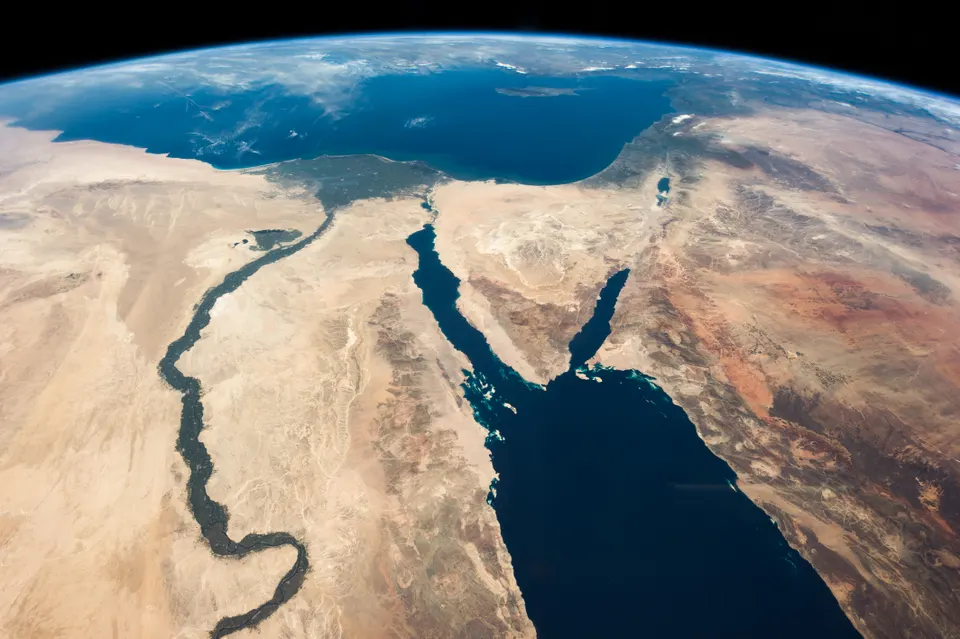
Among these vital passages, the Strait of Hormuz stands out as arguably the most important oil transit chokepoint in the world. Situated between Oman and Iran, it connects the Persian Gulf with the Arabian Sea and beyond. A staggering proportion of the world's seaborne oil, estimated to be around one-fifth to one-third of global petroleum liquids consumption, passes through this narrow waterway daily. This makes the Strait indispensable for major oil producers in the Middle East, including Saudi Arabia, Iran, Iraq, Kuwait, Qatar, and the UAE, to export their crude oil and liquefied natural gas to markets across Asia, Europe, and North America.
Given its strategic importance, the Strait of Hormuz is a constant focal point of geopolitical tensions. Warnings of "full-scale war" or regional conflicts, as hinted by recent headlines and events like the Houthi blockade, immediately raise alarms about potential disruptions to shipping through the Strait. Even the threat of conflict can lead to significant spikes in global oil prices, such as Brent crude reaching $90 a barrel, as markets factor in supply uncertainty. Such disruptions could severely impact global economic stability, increasing costs for consumers and businesses worldwide.
Moreover, the vulnerability of chokepoints like the Strait of Hormuz highlights the broader concept of geopolitical risk. This risk encompasses how political instability, diplomatic crises, and military confrontations in one region can ripple across the globe, influencing currency valuations (like the USD/IRR exchange rate), impacting local financial markets (such as the Emami coin price drop), and prompting international diplomatic efforts, like ceasefire proposals. The stability of these maritime passages is thus not merely a regional concern but a cornerstone of global economic security and international relations.