Gulf Conflict Escalates with US Strikes on Iran; Trump Triggers Trade War with 50% Canada Tariffs
حمله آمریکا به مواضع سپاه و تنش در خلیج فارس؛ جنگ تجاری ترامپ با تعرفه ۵۰ درصدی علیه کانادا
The Persian Gulf enters a dangerous new phase as the US launches strikes against IRGC targets following the deaths of American soldiers. Simultaneously, global trade is rocked by Donald Trump's massive new tariffs on Canada, while oil markets react to conflicting reports of ceasefire talks.
At time of publishing
USD
188,500
Toman
Gold 18K
18.29M
Toman / gram
Bitcoin
$65,797
US Dollar
Tether
189,306
Toman
Military Escalation in the Persian Gulf
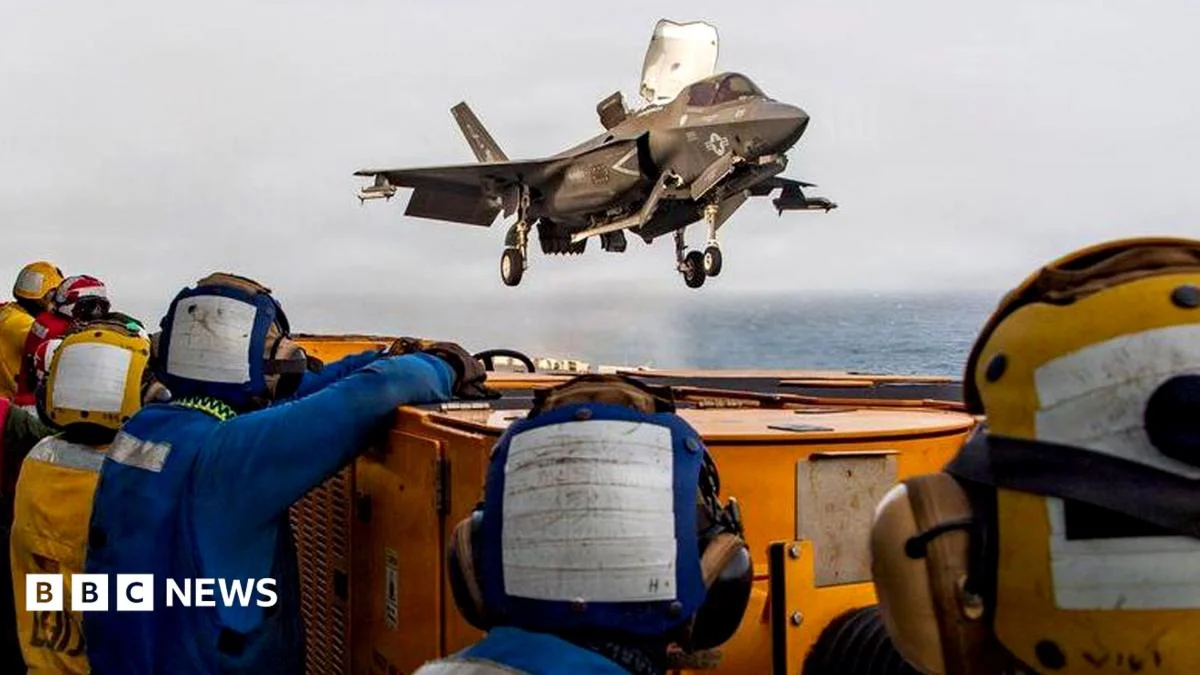
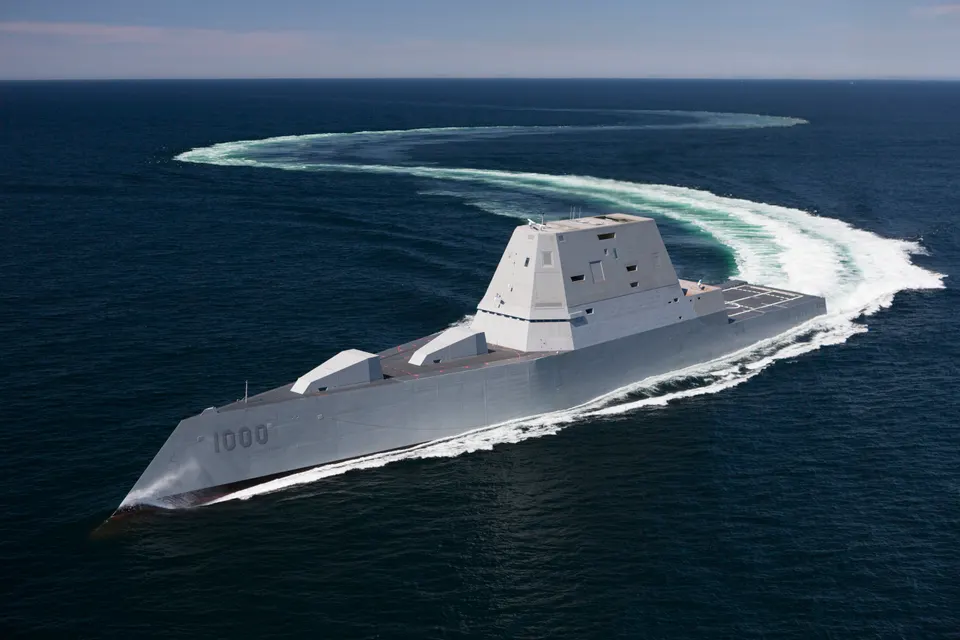
The security situation in the Middle East has deteriorated sharply this Tuesday as the United States launched a series of targeted strikes against Iranian military infrastructure. According to reports from the White House and the Pentagon, these operations were designed to degrade the Islamic Revolutionary Guard Corps' (IRGC) ability to threaten international shipping in the Strait of Hormuz. President Donald Trump issued a stern warning, stating that these actions are a direct retaliation for the recent deaths of American soldiers, signaling that Washington is no longer willing to tolerate asymmetric provocations in the region.
In response, Iranian state media and the IRGC’s public relations office claimed to have successfully intercepted a hostile American cruise missile over the Rudbar-e-Jonub district in Kerman province. Furthermore, the IRGC’s Aerospace Force announced it had conducted retaliatory drone and missile strikes against U.S. radar and air defense installations in Bahrain and Kuwait. This tit-for-tat escalation has effectively turned the Persian Gulf into a high-intensity combat zone, with the IRGC also reporting the immobilization of two additional oil tankers in the Strait of Hormuz, claiming they were using unsafe routes.
Market Volatility and the 'Fear Premium'
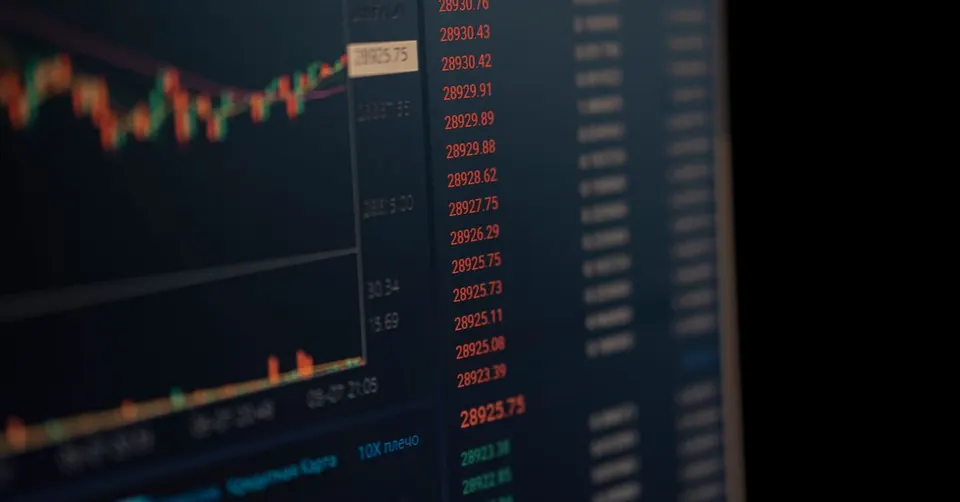
Global energy and commodity markets are currently caught in a tug-of-war between escalating military conflict and diplomatic rumors. Crude oil prices initially surged on news of the strikes but reversed some gains as reports surfaced of a potential ten-day ceasefire negotiation. Brent crude, which had climbed above $90 per barrel, retreated to approximately $88.77 as traders weighed the possibility of a temporary de-escalation. However, the underlying tension remains high, as any prolonged disruption to the Strait of Hormuz—the world's most critical oil chokepoint—could send prices into triple digits, further straining a fragile global economy.
In the domestic Iranian market, the impact of these geopolitical shocks is visible but currently contained by heavy central bank intervention. The USD/IRR rate remained stable at 188,500 Tomans, showing a 0.0% change over the last 24 hours, suggesting a 'wait-and-see' approach from major market players. However, the gold market reacted more sharply to the regional instability. Gold 18k per gram rose from 18,167,967 to 18,294,935 Tomans (+0.7%), while the Emami coin saw a modest increase of 0.3%, reaching 183,500,000 Tomans. This flight to safety reflects growing anxiety among local investors who view gold as a hedge against potential military escalation.
Trump’s Economic Shock: 50% Tariffs on Canada
While the world’s attention is focused on the Middle East, President Trump has opened a second front in his global policy by imposing a massive 50% tariff on most Canadian goods. The White House justified the move by claiming that Canada has unfairly discriminated against American interests in the automotive, dairy, and alcohol sectors. This move effectively dismantles the spirit of the USMCA trade agreement and marks one of the most aggressive protectionist shifts in modern history. The tariffs will hit everything from construction materials like cement to consumer goods and hockey sticks, likely leading to a significant spike in inflation for North American consumers.
Economic analysts warn that this 'scorched earth' approach to trade could trigger a retaliatory cycle that destabilizes the entire Western economic bloc. Canada has already vowed to intensify trade talks and potentially implement its own counter-measures. For the global economy, this adds a layer of uncertainty that mirrors the geopolitical chaos in the Gulf. If the two largest trading partners in North America engage in a full-scale trade war, the resulting supply chain disruptions will be felt globally, potentially slowing down the transition to green technologies and increasing the cost of living at a time when energy prices are already volatile.
---
The Future of Aerospace: UK’s Electric Ambitions
Amidst the gloom of conflict and trade wars, a significant technological milestone is emerging from the United Kingdom. The British government has announced a £10 million grant for Vertical Aerospace, a startup developing electric flying taxis. This brings the total state investment in the project to £48 million. Interestingly, the UK military has expressed formal interest in a military variant of these electric vertical take-off and landing (eVTOL) aircraft, aiming for a 2029 launch. This move signals a shift toward quieter, more sustainable logistics and transport solutions in both civilian and defense sectors.

The development of eVTOL technology represents a broader trend where traditional aerospace is being disrupted by electrification and AI-driven flight systems. While the current focus is on short-range urban mobility, the military's involvement suggests that these platforms could eventually be used for rapid medical evacuation or stealthy personnel transport in contested environments. As the world grapples with the high cost of traditional fuel and the environmental impact of aviation, the success of such projects could redefine how both goods and people move in the next decade.
Frequently Asked Questions
Why did the US launch strikes against Iran today?
How has the Iranian gold market reacted to the conflict?
What is the significance of Trump's 50% tariff on Canadian goods?
Why the Strait of Hormuz Matters: A Chokepoint That Moves Global Oil Prices
The Strait of Hormuz, a narrow waterway between Iran and Oman, is one of the world’s most critical maritime chokepoints. Roughly 20% of global oil consumption transits this 21‑mile stretch every day, making it a bottleneck for crude from the Persian Gulf. When regional tensions flare—such as the 2026 US strikes on Iranian targets or Iranian missile attacks on vessels near Bahrain and Kuwait—the flow can be threatened, instantly sending shockwaves through oil markets.
Because oil is priced in U.S. dollars and traded globally, any perceived risk of supply disruption is quickly reflected in spot prices. Traders price in a risk premium, and the price of Brent crude can swing by several dollars per barrel within hours of a headline about a possible closure of the strait. This volatility also ripples into other commodities, notably gold, which often rises as investors seek safe‑haven assets when oil markets become unstable.
The strategic importance of the strait goes beyond economics. It is a lever of geopolitical power: controlling or threatening to close the passage gives Iran a potent bargaining chip in negotiations with the United States and its allies. Conversely, the United States maintains a naval presence to ensure freedom of navigation, a policy that has been reaffirmed repeatedly after incidents like the 2026 strikes.
Understanding the dynamics of the Strait of Hormuz helps explain why seemingly regional conflicts can have outsized effects on global inflation, exchange rates, and even the fiscal policies of distant economies such as Canada, which recently imposed steep tariffs on U.S. goods. The interplay of geopolitics and energy markets makes the strait a focal point for anyone watching world finance.
For deeper insight, explore the linked resources that detail the geography, economics, and recent events surrounding this pivotal waterway.