Hormuz Crisis Deepens: IRGC Claims Strikes on Tankers and Amazon Data Center as US Casualties Rise
بحران در هرمز: حمله پهپادی سپاه به نفتکشها و مرکز داده آمازون همزمان با افزایش تلفات آمریکا
Iran claims drone strikes on US targets in Bahrain and tankers in the Strait of Hormuz, while the Pentagon reports rising casualties. Despite the regional chaos, Bitcoin maintains its $66,000 level fueled by record ETF inflows, even as global labor markets show signs of cooling.
At time of publishing
USD
188,500
Toman
Gold 18K
18.35M
Toman / gram
Bitcoin
$65,965
US Dollar
Tether
189,093
Toman
The Strait of Hormuz on the Brink
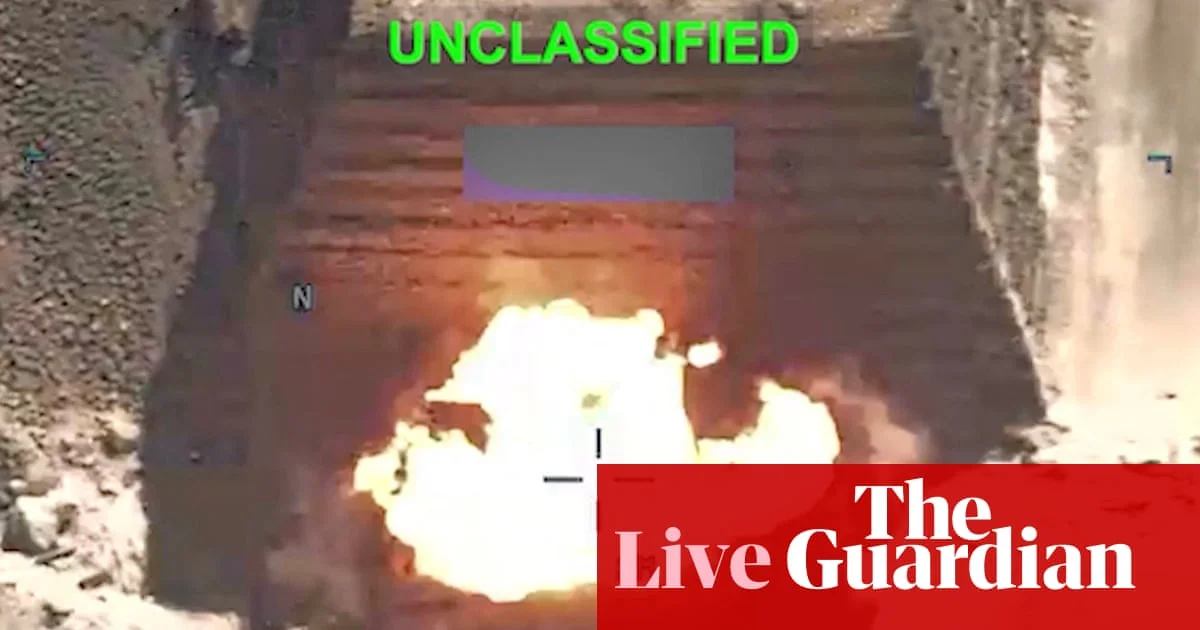
The maritime security situation in the Middle East has taken a sharp turn for the worse this Tuesday morning. The Islamic Revolutionary Guard Corps (IRGC) has claimed responsibility for a series of drone and missile strikes targeting an oil tanker and two other commercial vessels in the Strait of Hormuz. These actions follow ten consecutive nights of U.S. airstrikes in the region, creating a dangerous cycle of escalation. Furthermore, Iranian state media, specifically IRNA, has reported that the IRGC’s Aerospace Force successfully struck a central data infrastructure facility belonging to the American giant Amazon in Bahrain, claiming the site was utilized for military logistics.
This escalation is not merely rhetorical. The Pentagon has admitted that nearly 100 U.S. troops have been injured in recent weeks across various regional theaters, and a U.S. service member was recently killed in northern Iraq during an operation to dispose of an Iranian drone. For Iranian citizens and market observers, this heightened military friction usually signals a period of extreme volatility for the national currency. However, as of 11:00 Tehran time, the USD sell rate remains flat at 188,500 Toman, suggesting that the market has either priced in this conflict or is waiting for a more definitive break in diplomatic channels before reacting.
Bitcoin Defies Geopolitical Gravity
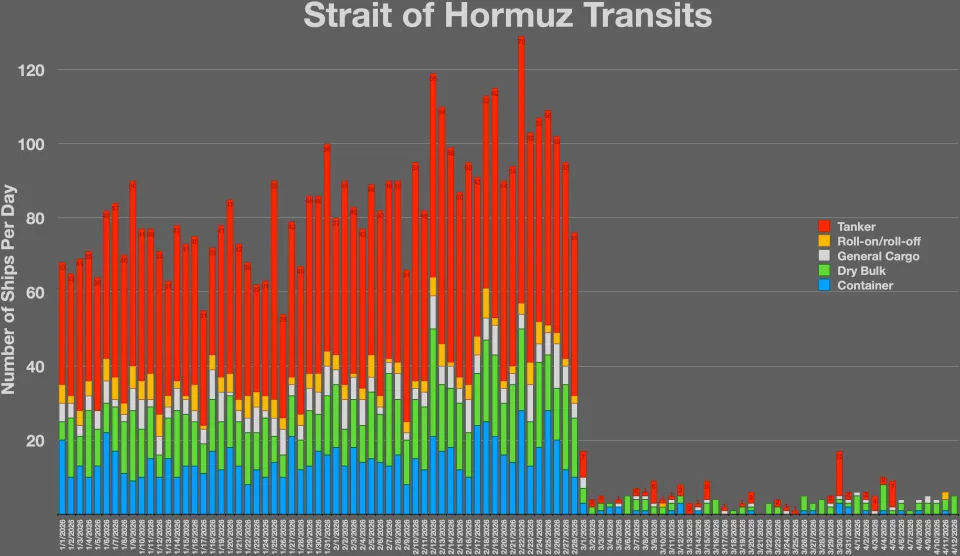
In a surprising display of resilience, Bitcoin has managed to hold its ground near the $66,000 mark despite the expanding war footing in the Middle East. Traditionally viewed as a "risk-on" asset that suffers during military conflict, Bitcoin (BTC) is currently trading at $65,965. This stability is largely attributed to a robust five-day streak of inflows into U.S. spot Bitcoin ETFs, which recorded another $227 million in fresh capital. This marks the longest sustained buying period since May, indicating that institutional investors are increasingly viewing the digital asset as a structural component of their portfolios rather than a speculative play on global peace.
While the 24-hour delta shows BTC hovering near overextended levels on technical indicators like the Bollinger Bands, the underlying demand from the chip trade and semiconductor recovery in Asia has provided a necessary tailwind. For local investors in Iran, the relative stability of the global crypto market offers a stark contrast to the 1.0% rise in gold prices (18k gold now at 18,354,956 Toman per gram). Gold remains the primary hedge for those fearing a total breakdown in regional security, while crypto serves as a more liquid, albeit volatile, alternative for preserving purchasing power against the backdrop of potential new sanctions.

The "Burnham Era" and Global Economic Cooling
While the Middle East remains the focal point of geopolitical risk, the United Kingdom is undergoing a significant political and economic shift under the leadership of newly minted Prime Minister Andy Burnham. On his first full day, Burnham has moved to cut VAT on household electricity bills, attempting to address the cost-of-living crisis head-on. However, the broader economic data remains grim; UK employers have significantly cut job vacancies to just 712,000, nearly half the level seen in 2022. This cooling of the labor market is a direct reflection of the "fragile" economic outlook caused by global supply chain disruptions and the ongoing conflict in the Middle East.
Interestingly, the UK’s defense sector is one of the few bright spots in the equity markets. Stocks like BAE Systems and Babcock International rose by 2.4% and 4% respectively, as investors anticipate increased military spending under the new administration. This highlights a growing global trend: while general consumer-facing industries are retracting due to inflation and high interest rates, the "war economy" is thriving. For the global observer, this suggests that the path to economic recovery in late 2026 will be heavily dictated by defense contracts and government intervention rather than organic private sector growth.

Frequently Asked Questions
Why is the IRGC claiming to target Amazon data centers?
Why hasn't the USD/IRR price reacted to the news of strikes in Hormuz?
How can Bitcoin stay at $66,000 during a Middle East crisis?
The Strategic Importance of Maritime Chokepoints: The Strait of Hormuz
Maritime chokepoints are narrow channels of sea that are strategically vital for international trade, particularly for the global flow of energy. These geographic bottlenecks, often natural passages, are critical because a significant volume of global commerce, especially oil and gas, must pass through them. Their strategic importance makes them focal points for geopolitical tension, as any disruption can have far-reaching economic and security implications worldwide.
Among these critical chokepoints, the Strait of Hormuz stands out as arguably the most important. Located at the mouth of the Persian Gulf, it connects the oil-rich Gulf states to the Arabian Sea and the broader global ocean. Approximately one-fifth of the world's total petroleum consumption and one-third of the world's liquefied natural gas (LNG) transit this narrow waterway daily. This immense volume underscores its unparalleled role in global energy supply and its direct impact on international oil and gas prices.
A disruption in the Strait of Hormuz, whether due to conflict, piracy, or political instability, can trigger immediate and severe consequences. Such an event would not only cause global oil and gas prices to skyrocket but also threaten the energy security of major importing nations, particularly in Asia and Europe. Furthermore, it could lead to significant disruptions in global supply chains, affecting industries far beyond energy, and potentially escalating regional conflicts into broader international crises.
The "Hormuz Crisis" mentioned in the headline, with claims of "strikes on tankers," vividly illustrates the inherent vulnerabilities associated with this vital artery. It highlights how geopolitical tensions in the region directly translate into risks for global energy markets and international stability, making the understanding of such chokepoints crucial for anyone following global affairs.