Burnham Slashing UK Energy Taxes Amid Regional War Risks; Toman Weakens Past 190,000 as Hormuz Crisis Deepens
کاهش مالیات انرژی در بریتانیا همزمان با هشدار جنگ فراگیر؛ دلار از مرز ۱۹۰ هزار تومان گذشت
UK Prime Minister Andy Burnham has moved to cut VAT on electricity bills as the 'US-Israel war on Iran' drives global energy costs higher. Meanwhile, the Iranian Toman continues its slide, with the USD hitting 190,100 as the Strait of Hormuz remains a primary global economic chokepoint.
At time of publishing
USD
190,100
Toman
Gold 18K
18.38M
Toman / gram
Bitcoin
$66,332
US Dollar
Tether
189,404
Toman
Burnham’s First Move: VAT Cuts Amid Geopolitical Turmoil
In a swift opening act for his new cabinet, UK Prime Minister Andy Burnham has announced a significant cut to VAT on domestic electricity bills. This move is designed to offer immediate relief to households struggling with a cost-of-living crisis that has been dramatically exacerbated by the ongoing conflict in the Middle East. Burnham’s administration explicitly linked the necessity of this intervention to soaring global energy prices, which have been driven to record highs by the multi-front war involving the United States, Israel, and Iran. By reducing the tax burden, the UK government hopes to stabilize domestic sentiment even as the geopolitical landscape remains dangerously volatile.
However, the move has already drawn fire from political opponents who label the plan as "unfunded" and a potential risk to the UK’s long-term fiscal stability. Despite these domestic criticisms, Burnham is leaning into a more collaborative relationship with the European Union to manage the broader fallout. A recent high-level call with European Council President António Costa suggests that the UK is looking for a unified European front to tackle energy security and the "hybrid warfare" challenges posed by the current regional instability. For the global observer, this signals that the economic ripple effects of the Middle East crisis are now the primary driver of domestic policy in major Western economies.

The Brink of Wider War: Jordan and the Trump Administration
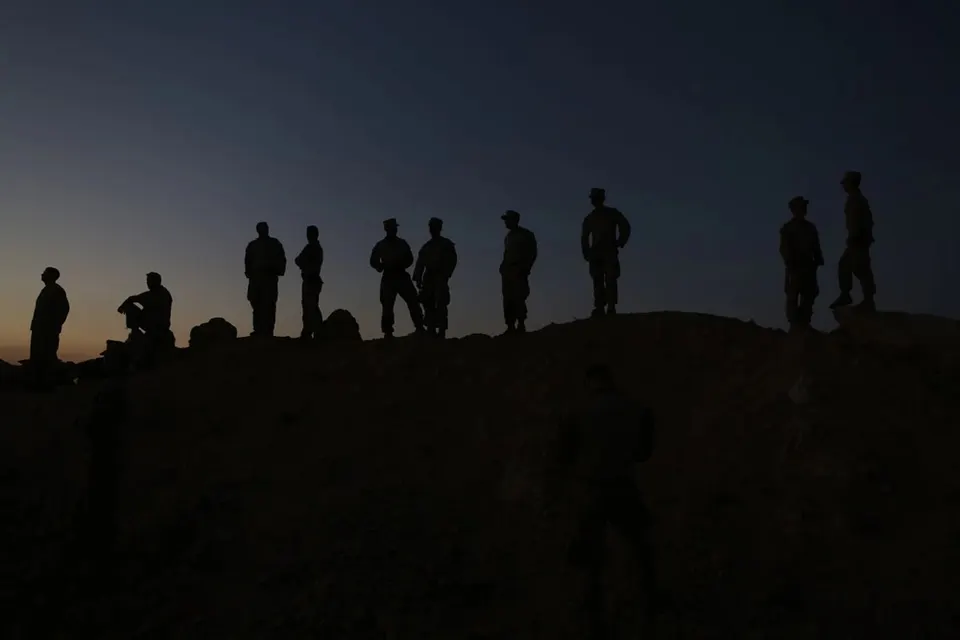
As military exchanges between US-led forces and Iranian-backed entities intensify, analysts are warning that the Trump administration and Tehran are walking a tightrope that could snap at any moment. The risk of a full-scale, uncontainable war is no longer a theoretical exercise but a daily reality as strikes occur across multiple borders. This escalation has put regional neighbors in an impossible position, most notably Jordan. Amman has seen its cooperation with Washington increase significantly as other regional allies restrict the use of their airspace for US operations. This deepened partnership has effectively put Jordan in Iran’s crosshairs, leading to a surge in regional anxiety and a potential shift in the Middle Eastern security architecture.
For the Iranian public, this escalation is reflected directly in the currency and gold markets. The USD/IRR rate has moved from 188,500 to 190,100 (+0.8%) in the last 24 hours, a clear indicator of the market's lack of confidence in a diplomatic de-escalation. Similarly, Gold 18k per gram rose from 18,167,967 to 18,375,732 (+1.1%), and the Emami coin jumped from 183,000,000 to 185,000,000 (+1.1%). These figures represent more than just numbers; they are a real-time barometer of the fear that the current "shadow war" is transitioning into a direct, large-scale confrontation that neither side can afford but neither seems able to stop.
Energy Chokepoints and the $120 Oil Threat
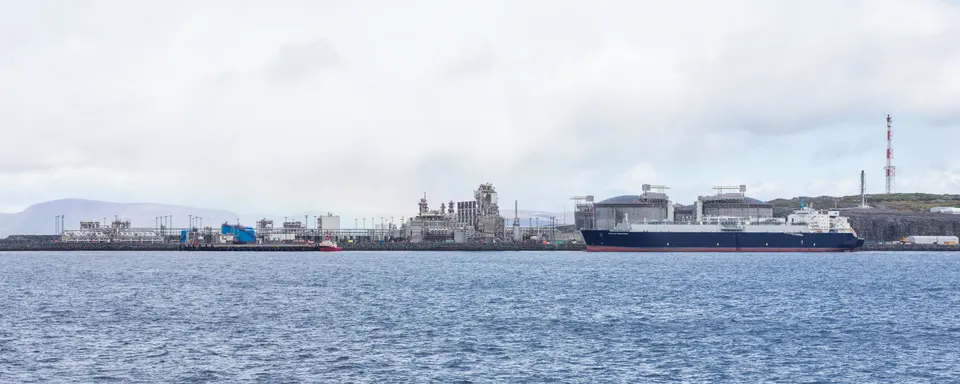
The closure and disruption of the Strait of Hormuz have begun to reshape global energy trade routes, with dire consequences for developing nations. Pakistan, for instance, is currently paying record-high sums for spot LNG as supplies from Qatar falter due to the maritime blockade. The inability of tankers to navigate the world's most critical oil chokepoint has forced countries to scramble for expensive alternatives, fueling global inflation. Goldman Sachs has warned that if these disruptions persist, Brent crude could easily surpass $120 per barrel, a scenario that would trigger a global recession and further devalue currencies in emerging markets.
Despite the expiration of US waivers, major economies like India continue to import Russian oil at near-record paces, highlighting the breakdown of the US-led sanctions regime in the face of an energy vacuum. India’s defiance suggests that the global need for fuel is outweighing diplomatic pressure from the Trump administration. For the Iranian economy, this suggests a complex environment where oil remains the primary leverage, yet the physical inability to move product through the Persian Gulf could negate any benefits from rising prices. The market is now watching the $4,068 gold ounce price and the $66,332 Bitcoin level as the final safe havens in an increasingly fractured global financial system.
Watch
UK cuts VAT on energy bills ahead of prime minister's first cabinet meeting • FRANCE 24 English
FRANCE 24 English
Frequently Asked Questions
Why is the UK cutting VAT on electricity bills now?
How is the situation in the Strait of Hormuz affecting Pakistan?
Why is the Iranian Toman weakening despite high gold prices?
Geopolitical Chokepoints and Global Energy Security
Geopolitical chokepoints are narrow, strategic maritime passages that are absolutely vital for global trade, particularly the transport of energy resources. These critical arteries, often just miles wide, are indispensable for the efficient movement of oil, natural gas, and other commodities from producing regions to consumer markets. Their strategic importance means that any disruption, whether due to conflict, piracy, or political instability, can send immediate and profound ripples across the global economy.
Among the most critical of these chokepoints is the Strait of Hormuz. Located between Oman and Iran, this narrow waterway connects the Persian Gulf to the open ocean, serving as the sole maritime passage for a significant portion of the world's crude oil and liquefied natural gas (LNG) shipments. Estimates suggest that well over a fifth of global petroleum liquids consumption passes through the Strait daily, making it an indispensable conduit for energy supplies to Asia, Europe, and North America. Its strategic vulnerability is amplified by the geopolitical tensions that frequently characterize the region.
Potential disruptions in such chokepoints carry severe economic implications. A major incident in the Strait of Hormuz, for instance, could lead to an immediate and dramatic spike in global oil prices, impacting everything from transportation costs to manufacturing expenses worldwide. Such an event would not only trigger inflationary pressures but could also destabilize currencies, as seen with the weakening Toman, and prompt shifts in national energy policies, such as governments considering tax cuts to cushion the blow of rising energy costs. It also drives demand for safe-haven assets like gold.
Understanding the fragility of these chokepoints is paramount for policymakers, investors, and consumers alike. It underscores the continuous efforts in international diplomacy to maintain stability in volatile regions, the strategic investments in diversifying energy sources and supply routes, and the ongoing military presence by global powers aimed at safeguarding these crucial trade arteries. Ultimately, the security of these geopolitical chokepoints is inextricably linked to the stability of global energy markets and the health of the world economy.