Trump Urged to De-escalate as US Casualties Rise in Iran Conflict; Toman Weakens Past 190,000
فشار دموکراتها بر ترامپ برای توقف درگیری با ایران؛ دلار از مرز ۱۹۰ هزار تومان گذشت
As US casualties mount from Iranian strikes, Democratic lawmakers are urging President Trump to halt the escalation. Meanwhile, the Iranian Toman has weakened to 190,200 per dollar, and gold prices have surged over 2% in 24 hours.
At time of publishing
USD
190,200
Toman
Gold 18K
18.56M
Toman / gram
Bitcoin
$66,376
US Dollar
Tether
189,615
Toman
Political Firestorm in Washington as US Casualties Mount
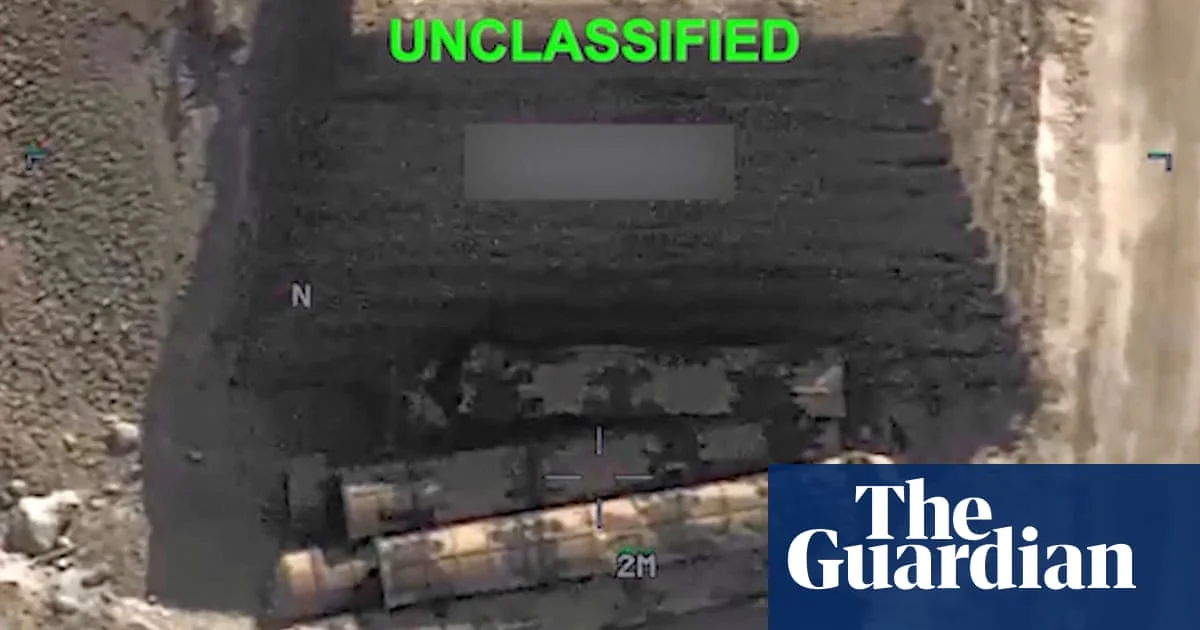
The geopolitical landscape has shifted dramatically this hour as domestic pressure mounts on President Donald Trump to reconsider his military posture toward Iran. Following the reported killing of three U.S. service members in strikes attributed to Iranian-backed forces, Democratic lawmakers, led by Senator Chris Murphy of Connecticut, have issued a stern warning. Murphy accused the administration of having "frighteningly lost control" of the conflict, which reignited after Trump walked away from a memorandum of understanding just last week. This internal political friction comes as the U.S. military has already launched its tenth consecutive wave of strikes against targets linked to the Islamic Revolutionary Guard Corps (IRGC), creating a cycle of escalation that many fear is spiraling into a full-scale regional war.
While the White House maintains a posture of "maximum pressure," the rising count of American injuries and deaths is complicating the administration's ability to escalate further without significant domestic backlash. In Tehran, state media outlets have been quick to amplify claims from the IRGC regarding the targeting of U.S. military sites, framing the actions as a defensive necessity. However, these claims of military success are viewed with skepticism by international observers who see them as part of a broader psychological warfare campaign. For the average resident in Iran, the immediate consequence of this saber-rattling is felt not on the battlefield, but in the marketplace, where the uncertainty has triggered a sharp flight to safety.

Toman Breaches 190,000 as Safe-Haven Demand Surges
The intensifying conflict has sent shockwaves through the Iranian financial markets, with the US Dollar officially crossing the psychological threshold of 190,000 Toman. In the last 24 hours, the USD moved from 188,500 to 190,200 Toman, representing a 0.9% increase. This move is mirrored by an even more aggressive surge in the gold market, where 18k gold rose from 18,167,967 to 18,560,413 Toman per gram, a significant 2.2% jump. The Emami coin also followed suit, rising from 183,000,000 to 185,500,000 Toman (+1.4%). These price movements reflect a market that is pricing in a prolonged period of instability and the potential for further sanctions or direct military engagement.
Investors are increasingly abandoning local currency assets in favor of gold and hard currency, fearing that the current escalation will lead to a total breakdown of diplomatic channels. The rise in gold prices is particularly telling, as it outpaces the currency's depreciation, suggesting that Iranians are not just hedging against inflation but are actively seeking the ultimate safe-haven asset. While Bitcoin has shown strength globally, hitting a one-month high of $66,376, the local focus remains firmly on physical assets and the dollar, which serves as the primary barometer for national economic anxiety.
Burnham’s New UK Government Targets Cost-of-Living Crisis
In London, the newly minted Prime Minister Andy Burnham has moved swiftly to distinguish his administration as a "cost-of-living government." In his first cabinet meeting, Burnham announced a significant policy shift by scrapping the 5% VAT on domestic electricity bills. This move, set to take effect on October 1, is a direct response to the global energy price volatility caused by the ongoing conflict between the U.S. and Iran. By reducing the tax burden on households, Burnham aims to provide immediate relief to families struggling with high energy costs, even as the UK navigates a complex geopolitical landscape that includes strained relations with Washington and the ongoing support for Ukraine.
Burnham’s proactive approach has already drawn a response from across the Atlantic, with President Trump reportedly offering well-wishes during a phone call. However, the UK's focus remains domestic, as the government also faces challenges from Thames Water lenders who are attempting to block potential nationalization. The contrast between the UK’s focus on domestic economic stability and the U.S. focus on regional military engagement highlights a growing divergence in Western priorities. For global markets, Burnham’s energy tax cuts could provide a template for other European nations facing similar inflationary pressures from the Middle East crisis.

Global Trade Tensions Rise as Trump Squeezes Canada
While the Middle East burns, a separate economic fire is being lit in North America. President Trump is reportedly preparing to impose new tariffs on a wide range of goods from Canada, aiming to gain concessions in ongoing trade negotiations. Mark Carney, representing the Canadian interest, has stated that Canada is ready to "intensify" talks but warned that the public and government are braced for escalation. This "America First" trade policy, targeting even the closest U.S. allies, adds another layer of complexity to the global economy. Investors like Stocktwits co-founder Howard Lindzon are already adjusting, with Lindzon famously dumping chip stocks before a 20% slide, citing the "degenerate economy" and shifting his focus toward more resilient sectors like data centers and AI infrastructure, where companies like Alphabet and Meta are pouring record amounts of cash.
Frequently Asked Questions
Why is the Toman weakening despite global Bitcoin gains?
What is the significance of the 190,000 Toman level for USD?
How do US domestic politics affect the current conflict with Iran?
Why are gold prices rising faster than the dollar in Iran?
Geopolitical Risk and Currency Depreciation: The Strait of Hormuz Effect
Geopolitical risk refers to the potential for political events, conflicts, or international tensions to disrupt the global economy and financial markets. This uncertainty can stem from various sources, including military escalations, trade disputes, or political instability within a key region. When such risks emerge, investors often react by pulling capital from perceived high-risk assets or economies, leading to a general flight to safety. This phenomenon can significantly impact a nation's currency, as reduced foreign investment and capital outflows create downward pressure on its value.
The recent headlines highlighting military escalation between the US and Iran, coupled with the weakening of the Iranian Toman, exemplify this principle. Heightened tensions and the threat of direct conflict make an economy like Iran's, already under significant international sanctions, appear even riskier to global investors. As confidence erodes, demand for the local currency (the Toman/Rial) diminishes, leading to depreciation. This makes imports more expensive, fuels inflation, and erodes the purchasing power of citizens, often prompting a move towards more stable assets like gold.
A critical element in the US-Iran context is the Strait of Hormuz. This narrow waterway, situated between the Persian Gulf and the Gulf of Oman, is one of the world's most vital chokepoints for oil transit, with a significant portion of the world's seaborne oil passing through it daily. Any threat or disruption to shipping in the Strait of Hormuz, whether perceived or real, immediately sends shockwaves through global energy markets and heightens geopolitical anxieties. For Iran, a nation heavily reliant on oil exports, any instability or potential blockade of this strait would have catastrophic economic consequences, severely curtailing its ability to generate revenue and further exacerbating its currency's decline.