Trump’s Middle East Pivot: Lebanon Disarmament Talks and Red Sea Blockades Drive Toman to 190,000
چرخش خاورمیانهای ترامپ: مذاکرات خلع سلاح لبنان و محاصره دریای سرخ دلار را به ۱۹۰ هزار تومان رساند
As Lebanese President Joseph Aoun meets Trump to discuss disarming Hezbollah, Houthi threats against Saudi shipping have pushed global oil prices higher. Meanwhile, the Iranian Toman has weakened to 190,000 per USD as markets react to the escalating regional tension and new US trade tariffs.
At time of publishing
USD
190,000
Toman
Gold 18K
18.43M
Toman / gram
Bitcoin
$66,514
US Dollar
Tether
189,050
Toman
The High-Stakes Gamble in Beirut and Washington
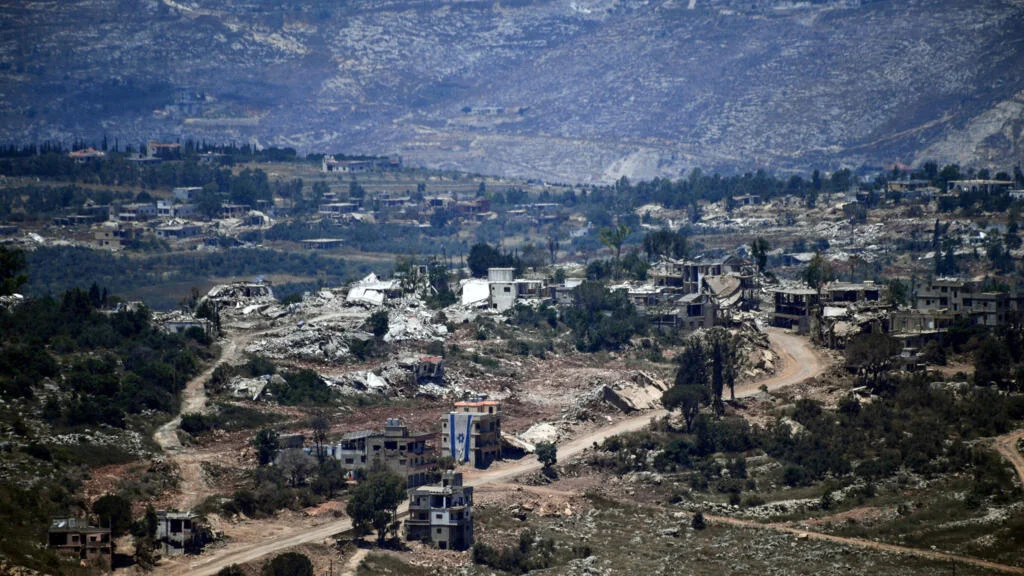
Lebanese President Joseph Aoun is currently in Washington for a high-profile meeting with Donald Trump, marking a critical juncture for the "framework agreement" aimed at ending the protracted conflict in southern Lebanon. The deal, which involves the withdrawal of Israeli forces and the disarmament of the Iran-backed Hezbollah, is seen as a prerequisite for any lasting peace. Beirut is essentially seeking a security guarantee from the Trump administration, hoping to restore "normality" to its southern borders. However, the pressure to neutralize a militia that has long operated as a state-within-a-state remains a monumental challenge for the Lebanese government.
For Iranian observers, this meeting is more than just a diplomatic formality. Hezbollah’s potential disarmament represents a direct challenge to the Islamic Republic’s regional influence and its "forward defense" strategy. If Trump successfully brokers a deal that sidelines Hezbollah, the strategic reach of the Tehran regime would be significantly diminished. This uncertainty is already manifesting in the Tehran markets, as investors weigh the risks of a geopolitical shift that could leave Iran increasingly isolated in the Levant. The sentiment is clear: any weakening of Tehran's regional proxies is viewed as a precursor to tighter economic and political pressure on the mainland.

Trump’s Trade War and the $4 Gas Crisis
On the domestic front, Donald Trump is doubling down on his protectionist agenda, defending a staggering 50% tariff on most Canadian goods. Claiming that Canada has been "very tough" on the US for years, the President is using trade as a blunt instrument to extract concessions. However, this trade war is not occurring in a vacuum; US gas prices have surged to over $4 per gallon, a direct fallout from the renewed conflict with Iran. Brent Crude has climbed to $90.92 per barrel, reflecting the market's deep-seated anxiety over global supply chains and the potential for a wider energy shock.
The ripple effects for the Iranian economy are significant. While higher global oil prices theoretically benefit oil producers, the aggressive stance of the Trump administration and the tightening of sanctions make it nearly impossible for Iran to capitalize on these gains. Furthermore, the volatility in the US-Canada trade relationship signals a broader era of global economic instability. In Tehran, the USD sell rate has moved from 188,500 to 190,000 (+0.8%), reflecting a lack of confidence in local currency stability as the global trade landscape becomes increasingly fractured and hostile.
Red Sea Blockades and the Cost of Conflict
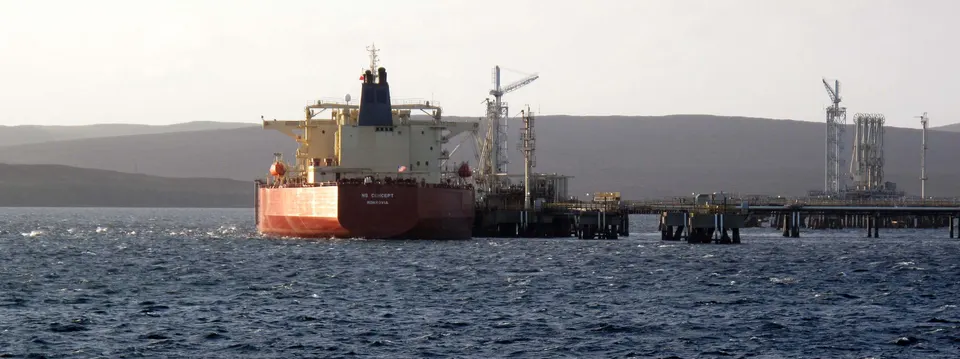
The maritime situation is reaching a boiling point as Houthi rebels in Yemen threaten a total blockade of Saudi ships in the Red Sea. This escalation has already forced several Saudi oil tankers to perform U-turns, sharply slowing traffic through the Suez Canal. These threats coincide with claims from the Iranian government regarding strikes on infrastructure in Bahrain, Kuwait, and Jordan. While these claims are often used as psychological warfare by the regime to project power, the physical disruption to shipping is undeniable and is pushing energy prices to multi-week highs, further straining the global economy.
This "maritime siege" strategy, which many analysts believe is coordinated or at least encouraged by Tehran, aims to leverage energy security to force diplomatic concessions. However, the strategy is a double-edged sword. As the Red Sea becomes a high-risk zone, the cost of imports for Iran also rises, and the risk of a direct US military retaliation grows exponentially. The Tehran market has reacted sharply to these developments; Emami gold coins have risen 1.6% to 186,000,000 Toman, as citizens flee to "hard" assets in anticipation of a wider regional conflagration. The fear is no longer just about inflation, but about the physical security of trade routes.
Sanctions Expansion and the Search for Stability
Beyond the Middle East, the reach of US sanctions continues to expand, with the Spanish hotel giant Meliá announcing it will cease all operations in Cuba. The group cited the "impossibility" of maintaining even minimal operational stability under the pressure of Washington's sanctions. This move serves as a stark reminder to the Iranian business community of the long-arm jurisdiction of US policy. When a major European firm is forced to retreat from a long-standing market like Cuba, it signals that the Trump administration is unwilling to tolerate any "sanction-busting" activities, regardless of the ally involved.
In this climate of global tension, even stories of human endurance, like a reporter's quest for a personal best in a Kenyan running village, seem like a distant luxury. For the average Iranian, the focus remains on survival and wealth preservation. The local gold market is already pricing in a "permanent sanctions" reality, with Gold 18k per gram rising 1.5% in the last 24 hours to 18,433,445 Toman. As the global economy fragments into competing blocs, the Toman continues to lose its purchasing power, forcing a shift toward gold and crypto as the only viable stores of value in an increasingly volatile world.

Watch
Beirut hopes to gain Trump support to bring 'normality' back to south Lebanon • FRANCE 24 English
FRANCE 24 English
Frequently Asked Questions
Why is the meeting between Trump and the Lebanese President significant for Iran?
How are the new US tariffs on Canada affecting the global oil market?
Why did the Spanish hotel chain Meliá leave Cuba, and what does it mean for Iran?
Geopolitical Risk and Currency Valuation
Geopolitical risk refers to the potential for political instability, conflicts, and shifts in international relations to significantly impact global markets and national economies. Unlike purely economic factors, these non-economic events introduce a layer of unpredictability and uncertainty that investors and businesses must contend with. From regional conflicts to trade disputes and the imposition of sanctions, geopolitical events can trigger widespread economic repercussions, affecting everything from commodity prices to investment flows and, crucially, the value of national currencies.
One of the most direct and immediate impacts of escalating geopolitical risk is on a country's currency valuation. When political tensions rise or the threat of conflict looms, investors often perceive the affected region as riskier. This perception can lead to capital flight, where both domestic and foreign investors move their assets out of the country in search of safer havens, typically denominated in stable currencies like the US Dollar. This outward flow of capital directly reduces the demand for the local currency while increasing demand for foreign currencies, inevitably leading to the depreciation of the local currency.
The keywords provided illustrate this dynamic perfectly. The mention of "Red Sea Houthi blockade" highlights disruptions to vital shipping lanes, increasing global trade costs and impacting oil prices, which can strain an economy. "Trump Lebanon meeting Hezbollah" and "Iran regional conflict 2026" point to potential escalations in regional tensions and the possibility of new international pressures or sanctions, such as those implied by "Meliá Cuba sanctions" applied elsewhere. These events collectively create an environment of heightened uncertainty and risk, directly contributing to a decline in the value of currencies like the Iranian Toman, as indicated by "Toman to 190,000."
Ultimately, a depreciating currency fueled by geopolitical risk has profound consequences for a nation's economy. It drives up the cost of imports, leading to inflation and eroding the purchasing power of citizens. It also makes it more expensive for the government and businesses to service foreign debt, potentially hindering economic growth and stability. Understanding the intricate link between geopolitical developments and currency movements is therefore essential for comprehending the broader economic landscape of regions facing such challenges.