Airbus Eyes Folding Wings, China Slashes Iran Oil Buys, Tesla Robotaxi Pilots Launch
ایرباس بالهای تاشو را آزمایش میکند، چین خرید نفت ایران را کاهش داد، تسلا آزمایشی تاکسی رباتیک را آغاز کرد
Global aviation giant Airbus is set to test innovative folding wing technology for future aircraft, while US reports indicate China has significantly reduced its oil purchases from Iran. Meanwhile, Tesla is quietly piloting its robotaxi service in select US cities.
At time of publishing
USD
190,000
Toman
Gold 18K
18.44M
Toman / gram
Bitcoin
$66,188
US Dollar
Tether
189,538
Toman
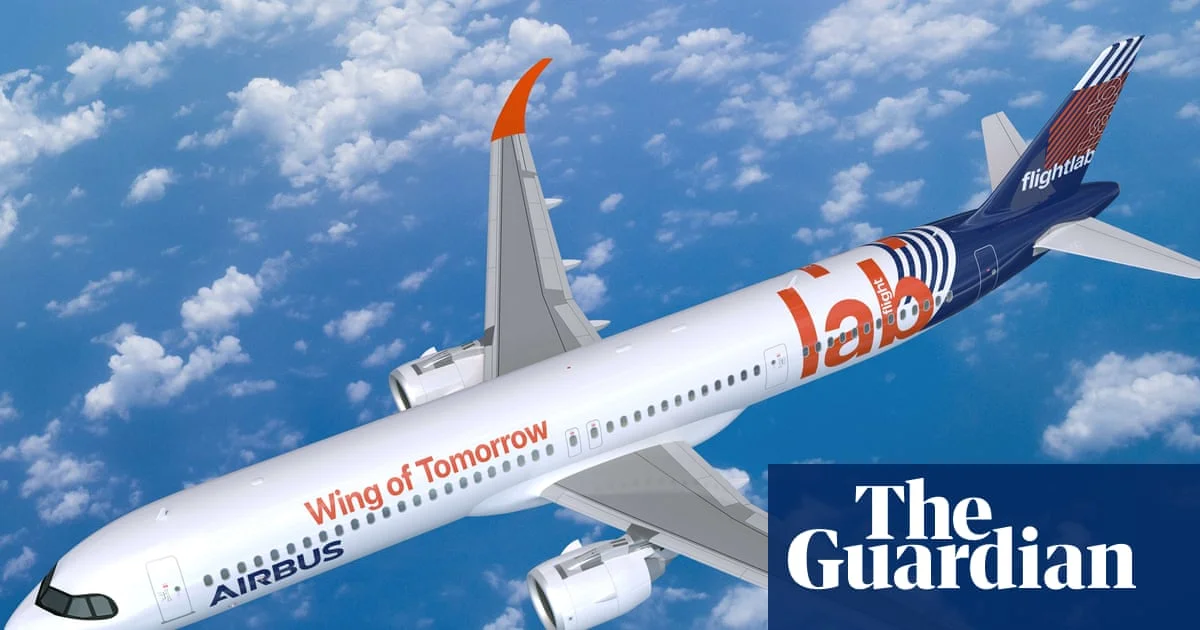
Airbus Tests Folding Wings for Next-Gen Aircraft
Airbus, the world's largest aircraft manufacturer, has announced plans to test innovative folding wing technology for its next generation of bestselling planes. This development addresses a critical challenge in modern aviation design: how to integrate longer, thinner, and more fuel-efficient wings into existing airport infrastructure. These advanced wing designs, often made from lightweight composite materials, promise significant energy savings and reduced emissions, but their increased span poses a logistical hurdle for airports worldwide, many of which are already operating at or near capacity. The company aims to have this technology integrated into future commercial aircraft by the end of the decade.
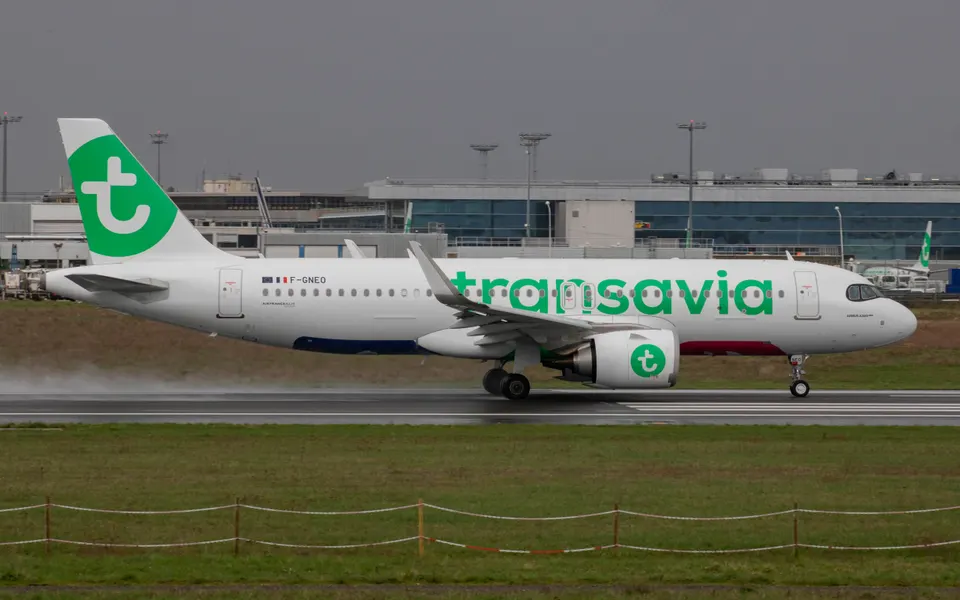
The implications for the aviation industry are substantial. If successful, this technology could usher in an era of more sustainable and efficient air travel, potentially lowering operational costs for airlines and reducing the environmental impact of flying. For Iran, this development, while seemingly distant, highlights the relentless pace of technological advancement in global industries. Such progress can indirectly influence trade dynamics and the competitiveness of international carriers, which may eventually affect passenger and cargo routes relevant to Iranian businesses and travelers. It also underscores the global focus on innovation and efficiency, areas where Iran's economy, under pressure from sanctions and domestic challenges, must also strive to keep pace.
---
China Significantly Cuts Iranian Oil Purchases Amid US Sanctions Pressure
U.S. Treasury Secretary Scott Bessent stated this week that China has drastically reduced its purchases of Iranian crude oil, by an estimated 40% over recent months. This marks a significant development in the U.S. campaign to choke off Iran's oil revenues, a key source of funding for the Iranian government. The targeted sanctions have specifically impacted China's independent 'teapot' refiners, which have historically been the primary buyers of discounted Iranian barrels. Bessent indicated that this reduction is placing direct financial pressure on Tehran, signaling a potential shift in global oil trade dynamics.
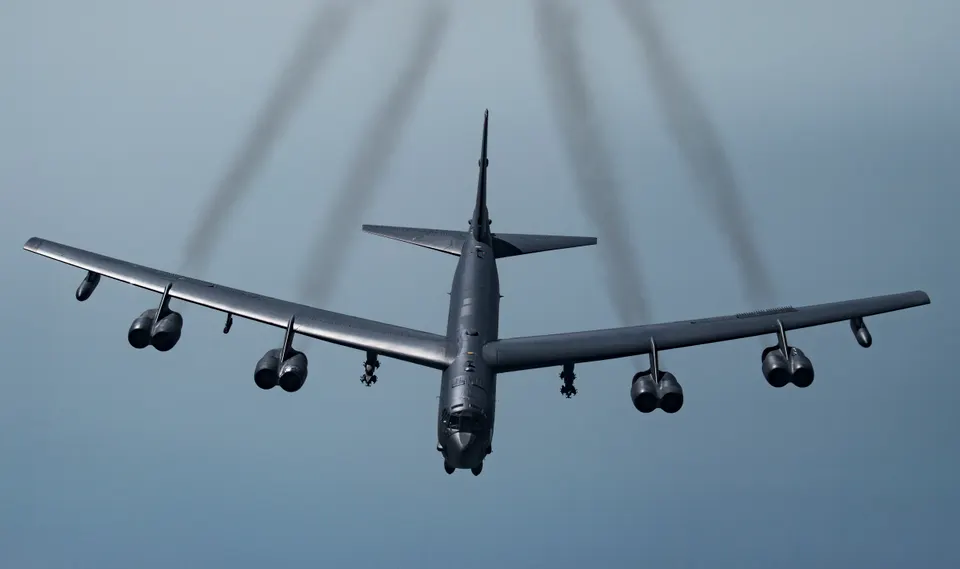
This development is particularly impactful for Iran's economy, which heavily relies on oil exports. The reported 40% drop in purchases from China, its largest oil customer, will likely exacerbate existing economic woes, including rising living costs and strained public services, as reported by Al Jazeera. For Iranian readers, this news directly translates to increased pressure on the national currency, the Toman, and potentially higher inflation. The weakening of oil export revenue can limit the government's ability to fund essential imports and domestic projects, further impacting the daily lives of citizens and potentially influencing broader market sentiment, including the price of gold and the stability of the Toman against foreign currencies like the USD.
---
Tesla Pilots Robotaxi Service in Orlando and Tampa
Tesla has quietly launched pilot programs for its robotaxi service in Orlando and Tampa, Florida. While the exact number of vehicles deployed in each city remains undisclosed, this move represents a more cautious scaling approach compared to the ambitious timelines previously promised by CEO Elon Musk. The company is reportedly still working through the complexities of building a robust and reliable autonomous ride-hailing network. This initiative comes ahead of Tesla's second-quarter earnings report, where investors will be keenly watching for updates on its ambitious AI and autonomous driving projects.
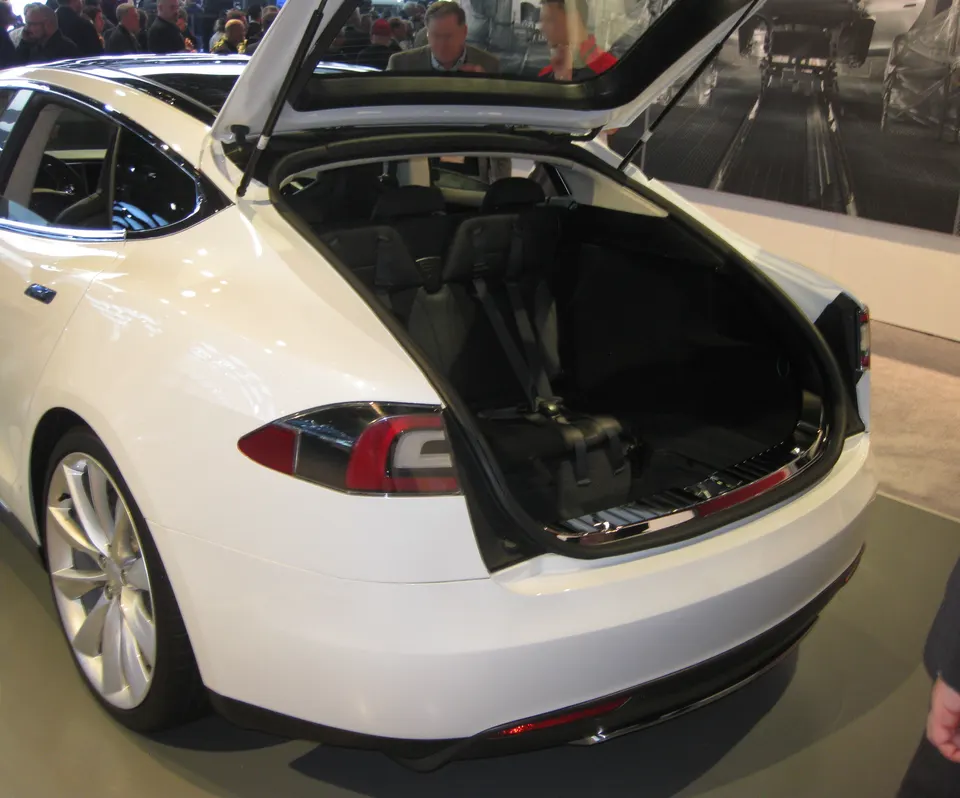
This move by Tesla, a leader in electric vehicles and AI development, has significant implications for the future of transportation and the broader tech industry. For Iranian citizens, while direct access to this service is not immediate, it signifies the accelerating global trend towards automation and AI integration into daily life. Such advancements can impact job markets, urban planning, and the development of related technologies worldwide. The success or failure of Tesla's robotaxi pilots could influence investment in autonomous vehicle technology globally, potentially affecting future automotive manufacturing standards and the pace of technological adoption in various sectors, including those relevant to Iran's industrial development and economic diversification efforts.
Frequently Asked Questions
What is the significance of Airbus testing folding wings?
Why is China reportedly reducing oil purchases from Iran?
What are the potential economic impacts of reduced Chinese oil purchases on Iran?
What is Tesla's robotaxi pilot program?
How do these global tech and economic trends affect Iranian readers?
Understanding Economic Sanctions: A Tool of Geopolitics
Economic sanctions are punitive measures imposed by one country or a group of countries on another. Their primary purpose is to compel a change in policy, deter aggression, or enforce international law. These measures can range from broad trade embargoes that restrict all commercial activity to more targeted actions like asset freezes on specific individuals or entities, travel bans, or restrictions on certain sectors like finance or energy.
At their core, sanctions work by making it economically costly for the target country to continue its current behavior. By limiting access to international markets, finance, or critical goods, they aim to create economic pressure that translates into political leverage. The hope is that this pressure will force the targeted government to reconsider its actions, whether it's related to nuclear proliferation, human rights abuses, or support for terrorism.
The headline's mention of China slashing Iran oil buys directly relates to the concept of economic sanctions, particularly secondary sanctions. The United States has imposed extensive sanctions on Iran's oil sector to curb its revenue and influence its nuclear program. Secondary sanctions mean that other countries or entities trading with Iran's oil sector can also face penalties from the U.S. As a result, even countries like China, which might have their own geopolitical interests, often reduce their purchases to avoid being penalized by the sanctioning power, illustrating the extraterritorial reach and significant impact of such measures.
The effectiveness of economic sanctions is a subject of ongoing debate. While proponents argue they offer a powerful non-military alternative to address international disputes and can indeed alter state behavior, critics point to their potential for unintended consequences. Sanctions can cripple economies, leading to humanitarian crises for civilian populations, or even paradoxically strengthen authoritarian regimes by fostering a siege mentality and reducing external scrutiny. They can also push targeted countries to seek alternative alliances or develop greater self-sufficiency, potentially undermining the long-term goals of the sanctioning powers.