Iran's Nuclear Threat, Asia's Energy Woes, and Shifting Global Tariffs
تهدید هستهای ایران، مشکلات انرژی آسیا و تغییر تعرفههای جهانی
Tehran issues a stark warning to the US against attacking its nuclear facilities, escalating regional tensions. Meanwhile, the long-term energy security of Asia hangs in the balance due to ongoing conflicts, and shifting trade policies see new tariffs impacting global markets.
At time of publishing
USD
189,600
Toman
Gold 18K
18.75M
Toman / gram
Bitcoin
$65,807
US Dollar
Tether
189,720
Toman
Iran Issues Stark Warning Over Nuclear Sites
Khatam al-Anbiya Central Headquarters, a key Iranian military and industrial complex, has issued a direct and forceful warning to the United States. The statement, carried by state media outlet IRNA, declared that any attack on Iran's nuclear or other sensitive facilities would be considered an escalation of the conflict in the region. This declaration comes amidst heightened geopolitical tensions and signals Tehran's resolve to respond aggressively to perceived threats against its strategic assets. The warning implies that such an action would not be met with a limited countermeasure but rather a significant response that could destabilize the entire region further.
This rhetoric underscores the delicate balance of power in the Middle East and the potential for miscalculation to trigger a wider conflagration. For Iran, its nuclear program, whether for energy or other purposes, is a critical component of its national security and regional standing. Any direct military action against these sites could have catastrophic consequences, not only for Iran but for global energy markets and international stability. The implicit threat of retaliation suggests that Tehran is prepared to leverage its military capabilities and potentially its network of regional proxies to retaliate, creating a volatile scenario for all involved parties.
---
Asia's Energy Security Under Threat Amidst Conflict
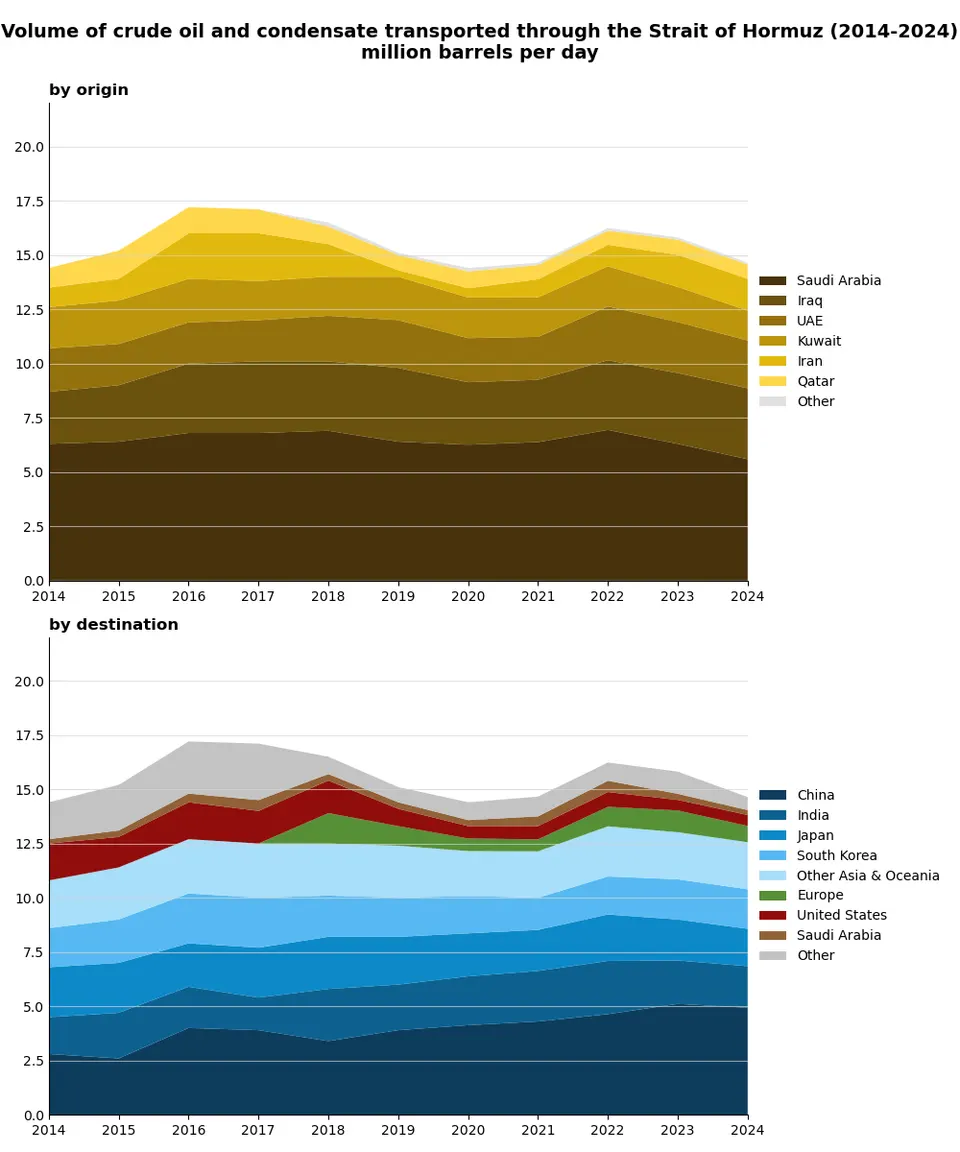
Energy analyst Vandana Hari of Vanda Insight has cautioned that the ongoing conflict between the United States and Iran could lead to long-term energy shocks across Asia. Nations in the region, heavily reliant on oil imports, face years, if not decades, of potential disruption. Hari highlighted a growing dependency on imports, which inherently increases vulnerability to geopolitical instability. She noted that the current global landscape is characterized by significant geopolitical flux, suggesting that these vulnerabilities will persist for the foreseeable future.
This situation poses a direct threat to the economic stability of many Asian economies. A sustained disruption in oil supply or a significant price increase due to regional conflict could lead to higher inflation, reduced industrial output, and slower economic growth. Countries like China, which has seen a recent increase in crude oil imports after a period of decline, are particularly sensitive to these shifts. The market is keenly watching China's demand and its refined products export pace as key factors that, alongside Middle Eastern supply disruptions, will shape oil price trends for the remainder of the year. The potential for a prolonged energy crisis underscores the interconnectedness of global politics and economics, with Asian nations caught in the crossfire.
---
Shifting Tariffs and Trade Tensions Resurface
In a significant move that could reshape global pharmaceutical markets, former US President Donald Trump has announced a 100% tariff on imported generic drugs, set to take effect in August 2028. This policy aims to bolster domestic pharmaceutical production by making foreign generic medications prohibitively expensive. The announcement comes as trade tensions between the US and its neighbors also escalate, with Canada facing a proposed 50% tariff on most of its goods. These measures are reportedly in response to perceived unfair trade practices by Canada, particularly concerning automobiles, alcohol, and dairy products.
The implications of these tariff announcements are far-reaching. For consumers, particularly in the US, the cost of generic medications could skyrocket if domestic production cannot adequately fill the gap. The delay in implementation suggests a strategic approach, possibly allowing time for industry adjustments or political maneuvering. Meanwhile, the tariffs on Canadian goods signal a potential deepening of trade disputes, impacting supply chains and potentially leading to retaliatory measures. Such actions can disrupt established trade relationships, increase costs for businesses, and create uncertainty in global markets, affecting everything from consumer prices to industrial output and investment decisions. The broader economic sentiment could be negatively impacted as these protectionist policies take hold.

Frequently Asked Questions
What is Iran's specific warning regarding its nuclear facilities?
How might the US-Iran conflict affect Asia's energy security?
What are the implications of the announced tariffs on generic drugs and Canadian goods?
What is the current market situation for USD/IRR and gold in Iran?
Understanding Energy Security in a Turbulent World
Energy security refers to the uninterrupted availability of energy sources at affordable prices. It encompasses not only the physical supply of oil, gas, coal, and renewables, but also the political and economic stability that ensures those supplies are reliable. When a nation faces threats—such as sanctions on Iran’s nuclear facilities, geopolitical tensions in the Middle East, or abrupt tariff hikes—it can experience sudden spikes in energy costs and shortages, exposing the fragility of its energy system.
In practice, energy security is measured by three pillars: availability, accessibility, and affordability. Availability concerns the physical presence of resources and infrastructure; accessibility deals with the ability of markets and consumers to obtain those resources; affordability ensures that prices remain within the reach of households and businesses. Disruptions in any pillar—like a trade war that raises tariffs on imported oil, or a diplomatic crisis that limits access to Iranian crude—can ripple through global markets, driving up prices for Asian economies that heavily depend on imported energy.
Asia’s energy woes illustrate the concept vividly. Countries such as China, India, and Japan import over 70% of their primary energy, making them highly sensitive to supply shocks. When tariffs increase or geopolitical tensions flare, the region experiences price volatility, prompting governments to diversify supplies, invest in strategic petroleum reserves, and accelerate renewable energy projects. These responses aim to buffer the economy against future disruptions and maintain economic growth.
Policy makers address energy security through a mix of diplomatic engagement, strategic stockpiling, and investment in alternative energy sources. International bodies like the International Energy Agency (IEA) publish guidelines and conduct joint exercises to improve resilience. Understanding energy security helps citizens and investors recognize why events—whether a nuclear standoff with Iran or a new tariff regime—matter far beyond headlines; they directly affect the cost of electricity, transportation, and ultimately, everyday life.