$67 Billion for War: US Defense Request Shakes Markets as Gold Surges 2.6% in Tehran
درخواست ۶۷ میلیارد دلاری آمریکا برای جنگ؛ جهش ۲.۶ درصدی طلا در بازار تهران
As the US Defense Secretary requests an urgent $67 billion for the ongoing conflict with Iran, global energy markets react with Norway's Equinor doubling its profits. In Tehran, gold prices have surged 2.6% as investors flee to safety amid escalating geopolitical tensions from the South China Sea to the Strait of Hormuz.
At time of publishing
USD
191,400
Toman
Gold 18K
18.91M
Toman / gram
Bitcoin
$65,924
US Dollar
Tether
191,585
Toman
The Price of Conflict: Hegseth Seeks $67 Billion for Iran Campaign
In a move that has sent ripples through global financial markets, US Defense Secretary Pete Hegseth appeared before the Senate today to request an 'urgent' $67 billion in additional funding for the military campaign against Iran. This staggering figure comes on top of the $37.5 billion already expended, signaling that the Pentagon is preparing for a much longer and more resource-intensive conflict than initially forecasted. The request has sparked a heated debate in Washington, drawing criticism from both sides of the aisle, yet the sheer scale of the funding underscores the gravity of the current military posture in the Middle East.
For the Iranian reader, this budget request is more than just a headline; it is a leading indicator of prolonged regional instability. When the US government allocates such vast sums to a specific theater, it suggests a strategic commitment that transcends short-term skirmishes. This has immediately impacted the Tehran market, where the US Dollar rose from 189,900 to 191,400 Toman (+0.8%) within the last 24 hours. The expectation of a long-term military presence often correlates with increased sanctions pressure and currency volatility, forcing local investors to hedge against further devaluation.
Global Friction: From the South China Sea to the Strait of Hormuz
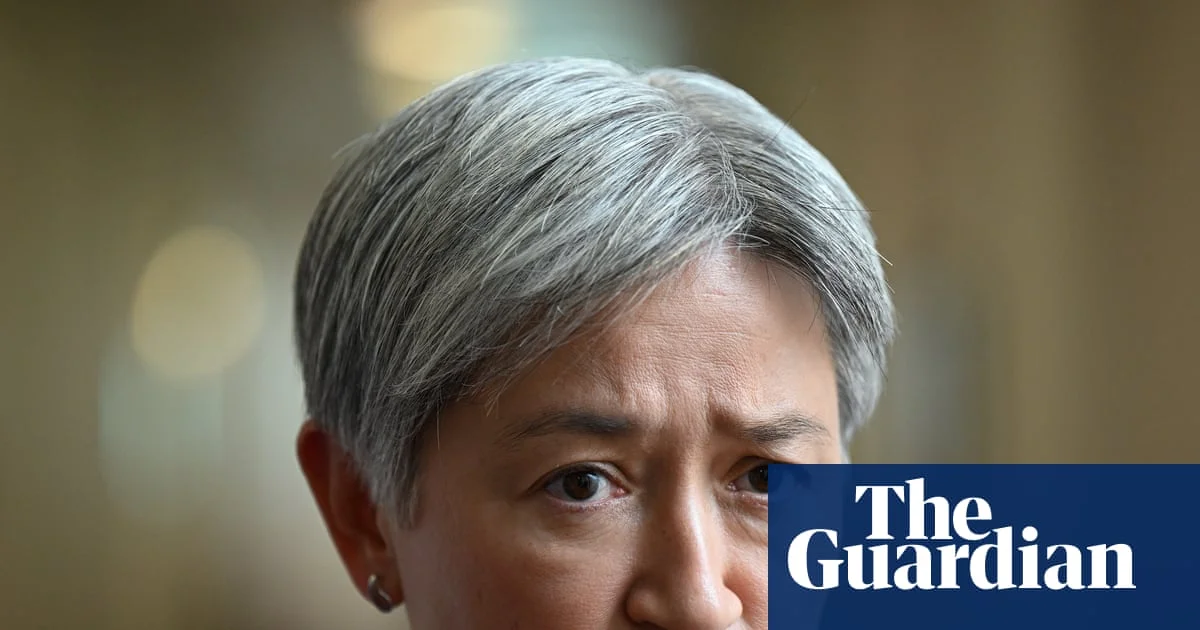
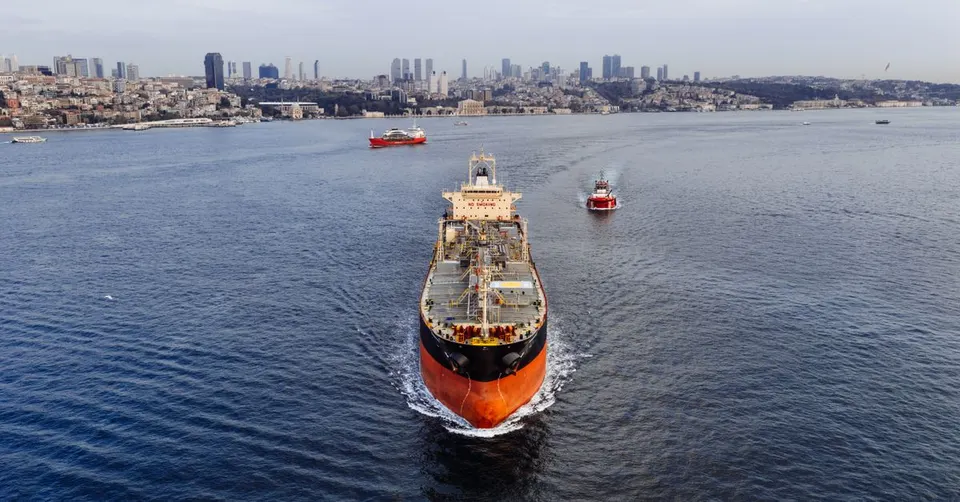
Geopolitical tensions are not localized to the Persian Gulf. Australian Foreign Minister Penny Wong, speaking at the Asean meeting in the Philippines, issued a stern warning to China regarding its 'provocative' military buildup and nuclear arsenal. However, the most critical part of her address for global trade was a caution against any nation—specifically naming both Iran and the US—imposing a 'toll' or blockade on the Strait of Hormuz. Wong’s comments highlight a growing international fear that the conflict in the Middle East could set a precedent for maritime lawlessness that China might emulate in the Pacific.
This interconnectedness of global shipping lanes means that any disruption in Hormuz is no longer just a regional issue but a systemic risk to the world economy. The threat of a blockade has already caused a shift in how global powers perceive maritime security. For Iranians, this internationalization of the conflict means that the pressure on the country's main export artery is likely to remain high, as global navies increase their presence to ensure the flow of commerce. The diplomatic rhetoric from Australia suggests that the world is bracing for a scenario where shipping through the Gulf becomes a permanent flashpoint.
The Profiteers of War: Norway’s Equinor Doubles Earnings
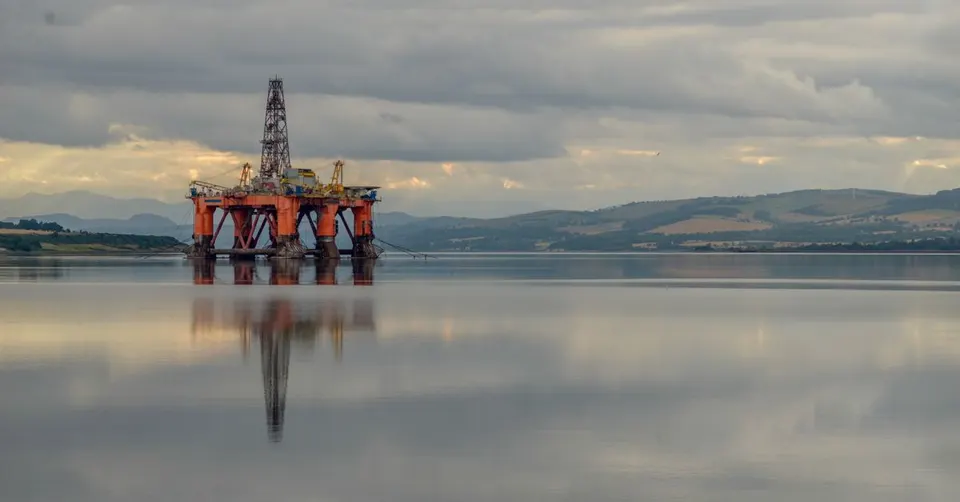
While the Middle East grapples with the economic fallout of the conflict, other energy producers are seeing record gains. Norway’s state-owned oil giant, Equinor, reported that its profits nearly doubled to $11.5 billion in the second quarter of 2026. This surge is a direct consequence of the Strait of Hormuz blockades, which have slashed Gulf oil flows and sent global prices soaring. Equinor’s strategic decision to ramp up production at the start of the conflict has allowed it to fill the vacuum left by Iranian and other regional suppliers, effectively capitalizing on the supply shock.
This dynamic illustrates the 'winners and losers' of the current geopolitical landscape. As Iranian oil remains largely sidelined or difficult to transport, North Sea and American producers are reaping the rewards of higher crude prices, with WTI currently topping $85. For the domestic market in Iran, this is a bittersweet reality: while global oil prices are high, the inability to fully participate in the market due to conflict and sanctions means the Iranian economy misses out on the windfall that countries like Norway are enjoying. This disparity continues to put downward pressure on the Toman as the national treasury misses out on vital foreign exchange revenue.
Tehran Market Reaction: Gold as the Ultimate Hedge
The most visible impact of these global developments is seen in the Tehran gold market. Gold 18k per gram jumped significantly from 18,440,371 to 18,911,307 Toman, a sharp 2.6% increase in just one day. This move is a classic flight to safety; as the threat of expanded war funding and regional blockades grows, investors are dumping liquid currency in favor of hard assets. Even the Emami coin saw a rise from 186,000,000 to 188,000,000 Toman (+1.1%), reflecting a broad consensus that the current environment is too volatile for traditional savings.
In the shadow of these market moves, the human cost of the conflict continues to surface. In Bandar Abbas, the remains of 34 victims from the Minab school massacre were finally laid to rest following DNA identification. Such events serve as a somber reminder of the domestic toll of the ongoing instability. Between the massive military budgets being debated in Washington and the funeral processions in Hormozgan, the gap between high-level geopolitics and the reality on the ground remains vast, yet the two are inextricably linked through the prices of bread, gold, and the value of the currency in every Iranian's pocket.
Frequently Asked Questions
Why did the price of gold in Iran jump 2.6% today?
How is the conflict in the Middle East benefiting Norwegian oil companies?
What is the significance of Australia's warning regarding the Strait of Hormuz?
Understanding Safe-Haven Assets in Times of Geopolitical Turmoil
The news of a substantial US defense request and its ripple effects, including a significant jump in gold prices in Tehran, highlights a fundamental concept in finance: Safe-Haven Assets. These are investments that are expected to retain or even increase in value during periods of market volatility, economic uncertainty, or geopolitical instability. When global tensions rise, as suggested by the potential for conflict in the Middle East and concerns over critical choke points like the Strait of Hormuz, investors typically seek to preserve their capital by moving away from riskier assets.
Gold is perhaps the quintessential safe-haven asset, revered for its historical role as a store of value and its tangible nature. Unlike paper currencies or corporate stocks, gold's value is not directly tied to the creditworthiness of a single government or the performance of a specific company. Its limited supply and universal recognition make it a reliable hedge against inflation and currency depreciation, especially in regions experiencing heightened political or economic risk. The surge in Tehran's gold market reflects a localized manifestation of this global phenomenon, as investors within Iran and potentially those monitoring the region seek refuge from perceived instability.
Beyond gold, other assets can also serve as safe havens. These often include certain major currencies like the US Dollar, Japanese Yen, or Swiss Franc, which are backed by stable economies and strong financial systems. Government bonds from highly creditworthy nations, such as US Treasuries or German Bunds, are another common choice, offering perceived safety and liquidity. However, the effectiveness of any safe haven can vary depending on the specific nature of the crisis. In situations involving direct regional conflict or significant currency depreciation, physical commodities like gold often stand out due to their intrinsic value.
The movement into safe-haven assets is a direct indicator of investor sentiment and risk perception. A large defense budget request, particularly when linked to a volatile region, signals an increase in geopolitical risk, prompting a defensive shift in investment portfolios. Understanding this behavior is crucial for comprehending why certain assets perform counter-intuitively during crises, providing stability to some portfolios while other markets falter.