Microbiome Breakthroughs and Geopolitical Threats: AMD’s $5B AI Bet Amidst Trump’s Hormuz Ultimatum
از کشف حیات در اعماق اقیانوس تا قمار ۵ میلیارد دلاری AMD؛ تهدیدهای زیرساختی ترامپ و التهاب در بازار ارز
Scientists map the Great Barrier Reef's microbiome revealing 500 new species, while AMD challenges Nvidia with a massive investment in Anthropic. Meanwhile, Trump's latest threats against Iranian infrastructure push the Toman toward 192,000.
At time of publishing
USD
191,800
Toman
Gold 18K
19.00M
Toman / gram
Bitcoin
$65,977
US Dollar
Tether
191,208
Toman
The Unseen Frontier: Mapping the Great Barrier Reef’s Genetic Code
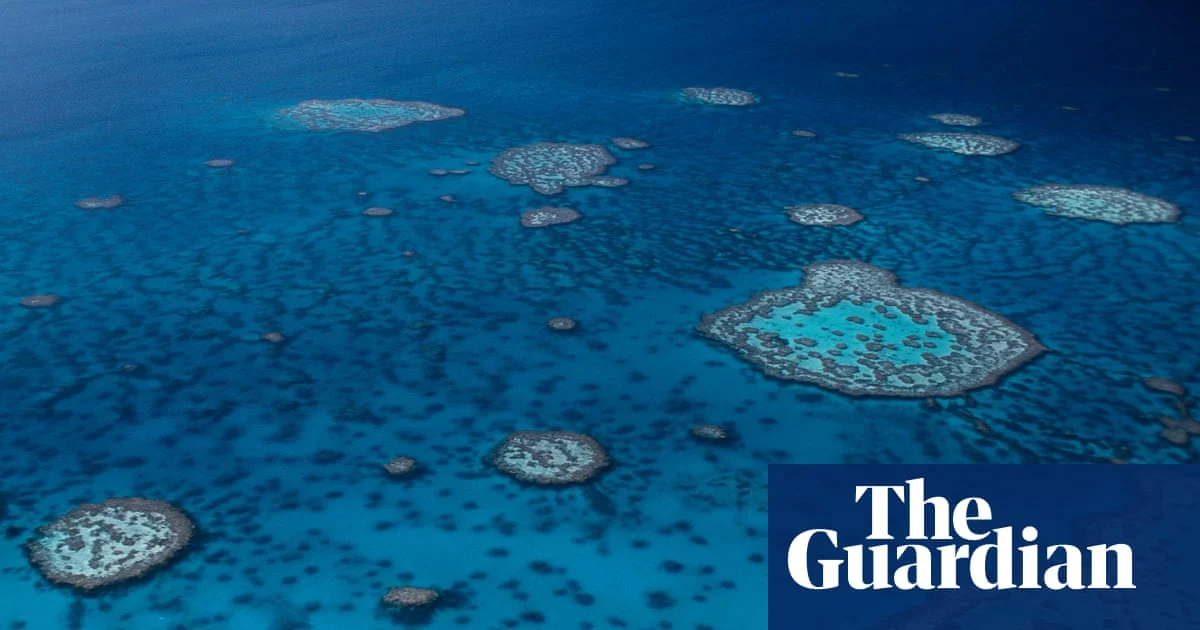
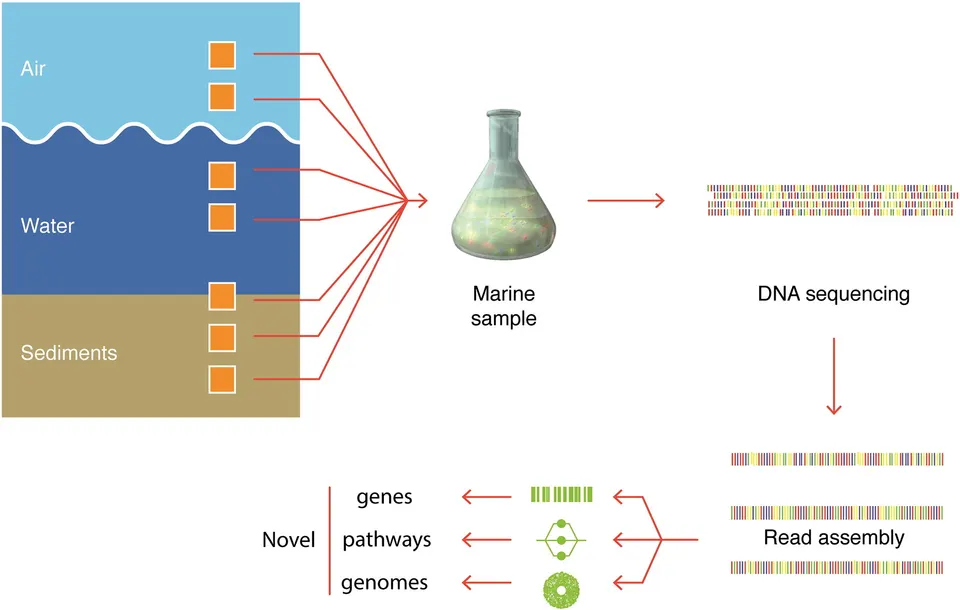
In a landmark achievement for marine biology, researchers have successfully mapped the microbiome of the Great Barrier Reef, identifying over 500 bacterial species previously unknown to science. By analyzing DNA from seawater samples across 48 different reefs, the team documented a staggering 360,000 distinct viruses. This study represents a massive leap forward in our understanding of the "dark matter" of biology—the microscopic organisms that regulate the health of the world's largest coral system. For the global community, including those in Iran, such breakthroughs are not merely academic; they often lead to the discovery of new enzymes and biological processes that drive the next generation of pharmaceuticals and environmental technologies.
This discovery comes at a critical time as ocean temperatures rise, threatening the very existence of these delicate ecosystems. By understanding the microbial balance that keeps coral alive, scientists may be able to develop bio-interventions to save reefs from bleaching. For an Iranian reader, this underscores the global shift toward bio-tech and genetic research as the new frontiers of economic value. While the headlines are often dominated by oil and missiles, the long-term wealth of nations is increasingly being built on the mastery of biological data and the ability to leverage these microscopic discoveries into industrial applications.
Geopolitical Friction: Trump’s Infrastructure Threats and the Toman’s Slide
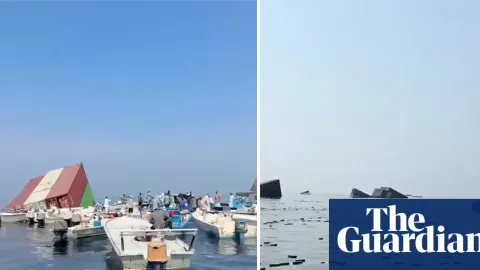
In Washington, the atmosphere remains charged as Donald Trump’s trade envoy, Jamieson Greer, faced a grueling Senate hearing regarding the potential for a renewed "tariff spree." However, the more immediate shock to the Middle East came from the President’s social media activity. Trump recently asserted that the United States is prepared to destroy an Iranian bridge or power plant for every ship targeted in the Strait of Hormuz. This "tit-for-tat" doctrine on infrastructure has sent immediate ripples through the Tehran markets. The USD/IRR exchange rate rose from 189,900 to 191,800 (+1.0%) in the last 24 hours, reflecting a growing anxiety over the vulnerability of domestic energy and transport networks.
The market reaction was even more pronounced in the precious metals sector, where Gold 18k jumped from 18,440,371 to 19,003,647 Toman (+3.1%). This surge indicates a flight to safety as investors weigh the risks of a direct strike on Iranian soil. With Jordan reporting the interception of Iranian missiles and the US military continuing its campaign of strikes, the risk premium on the Toman is expanding. For the average citizen, this means that the cost of imported goods and the general inflation of basic commodities are likely to accelerate as the currency struggles to find a floor amidst the escalating rhetoric of total infrastructure warfare.
---
The AI Arms Race: AMD’s $5 Billion Challenge to Nvidia
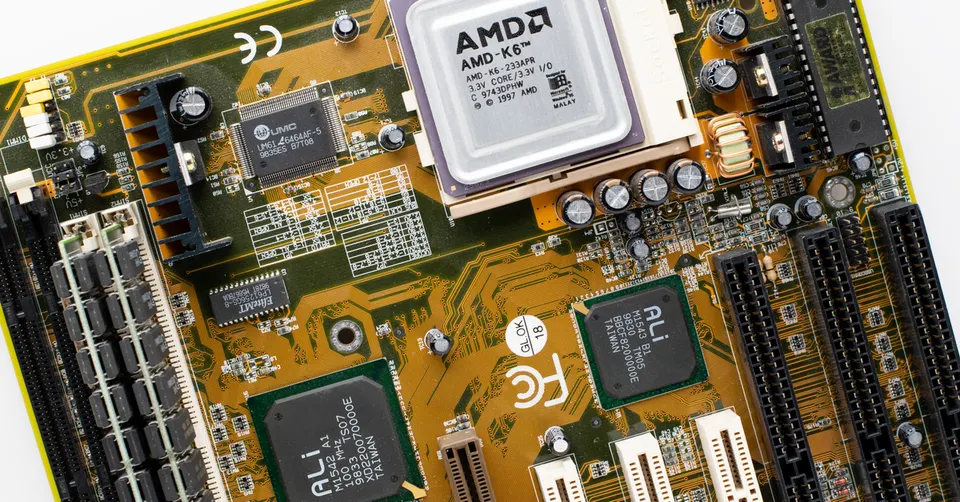
In the technology sector, the battle for artificial intelligence supremacy has entered a new, more expensive phase. AMD has announced a massive $5 billion investment in Anthropic, the AI startup behind the Claude models. This move is a direct attempt to break Nvidia’s stranglehold on the AI hardware market. As part of the deal, Anthropic will deploy up to 2 gigawatts of AMD’s Instinct MI450 AI GPUs. This is not just a hardware sale; it is a strategic alliance designed to prove that AMD’s Helios rack-scale systems can compete at the highest levels of generative AI training. For investors, this signals that the AI boom is far from over, with capital now flowing into diversification and infrastructure rather than just software.
Simultaneously, OpenAI and Anthropic are surprisingly supporting new AI regulations in Australia. While it might seem counterintuitive for tech giants to invite government oversight, the move is widely seen as an attempt to create a predictable global regulatory framework that favors established players. By helping to write the rules now, these companies are effectively building a "moat" that makes it harder for smaller startups to enter the market. This strategy has global reach, as Australia’s framework often serves as a pilot for other Western nations. For the tech-savvy in Iran, this highlights the closing window for unregulated AI development and the increasing professionalization of the industry under the guidance of Silicon Valley’s biggest titans.
A New Command in Ukraine: The Rise of Mykhailo Drapatyi
On the geopolitical front, Ukraine has appointed Mykhailo Drapatyi as its new commander-in-chief, making him the third person to hold the position since the full-scale invasion began in early 2022. Drapatyi takes over at a time when the conflict has reached a grueling stalemate, characterized by drone warfare and long-range missile exchanges. His leadership will be tested as Russia continues its pressure on the eastern front and the international community looks for signs of a strategic shift. The change in command is a reminder that the war in Europe remains a primary driver of global energy prices and geopolitical instability, which indirectly affects the economic landscape in the Middle East through shifting trade alliances and sanctions regimes.
Frequently Asked Questions
Why is the price of gold in Iran rising faster than the dollar?
What does AMD's investment in Anthropic mean for AI hardware?
How does the Great Barrier Reef discovery affect global markets?
The Strait of Hormuz: A Critical Global Chokepoint
The Strait of Hormuz is a narrow, strategically vital waterway connecting the Persian Gulf to the Gulf of Oman and the Arabian Sea. At its narrowest point, it is only about 21 nautical miles (39 kilometers) wide, yet it serves as the sole maritime passage for a significant portion of the world's oil and liquefied natural gas (LNG) exports from the Middle East. Its geographic location makes it an indispensable artery for global trade, particularly for energy supplies originating from major producers like Saudi Arabia, Iran, UAE, Kuwait, and Iraq.
Economically, the Strait's importance cannot be overstated. Roughly one-fifth of the world's total petroleum consumption and one-third of the world's liquefied natural gas (LNG) pass through this strait daily. Any disruption to traffic in the Strait of Hormuz can have immediate and severe repercussions on global energy markets, leading to sharp increases in oil and gas prices, impacting economies worldwide, from manufacturing to transportation costs. This vulnerability makes it a constant focus of international security concerns.
Geopolitically, the Strait of Hormuz is a frequent flashpoint for tensions, particularly involving Iran, which borders its northern coast. Threats to close or disrupt shipping in the Strait have been used as leverage in international disputes, raising concerns about energy security and global stability. Such threats, like the "Hormuz Ultimatum" mentioned in the headline, underscore the potential for regional conflicts to quickly escalate into international crises with far-reaching economic consequences, affecting currency values like USD/IRR and commodity prices such as gold.
Understanding the Strait of Hormuz as a critical chokepoint is essential for anyone seeking to comprehend the intricate interplay between geopolitics, energy markets, and global economic stability. Its continued open and secure passage is paramount for the global economy, making any perceived threat to its navigability a matter of intense international scrutiny and concern.