Iraq Pledges Deeper Ties as Oil Hits 6-Week High Amid Iran Tensions
تعهد عراق به روابط عمیقتر؛ نفت به اوج ۶ هفتهای در بحبوحه تنشهای ایران
Iraq's ambassador to Iran has signaled Baghdad's commitment to strengthening bilateral relations, even as global oil prices surge to a six-week high. Bitcoin, meanwhile, shows resilience despite escalating US-Iran tensions, suggesting a decoupling from traditional geopolitical risk.
At time of publishing
USD
191,700
Toman
Gold 18K
18.99M
Toman / gram
Bitcoin
$65,945
US Dollar
Tether
191,208
Toman
Baghdad Pledges Deeper Ties with Tehran
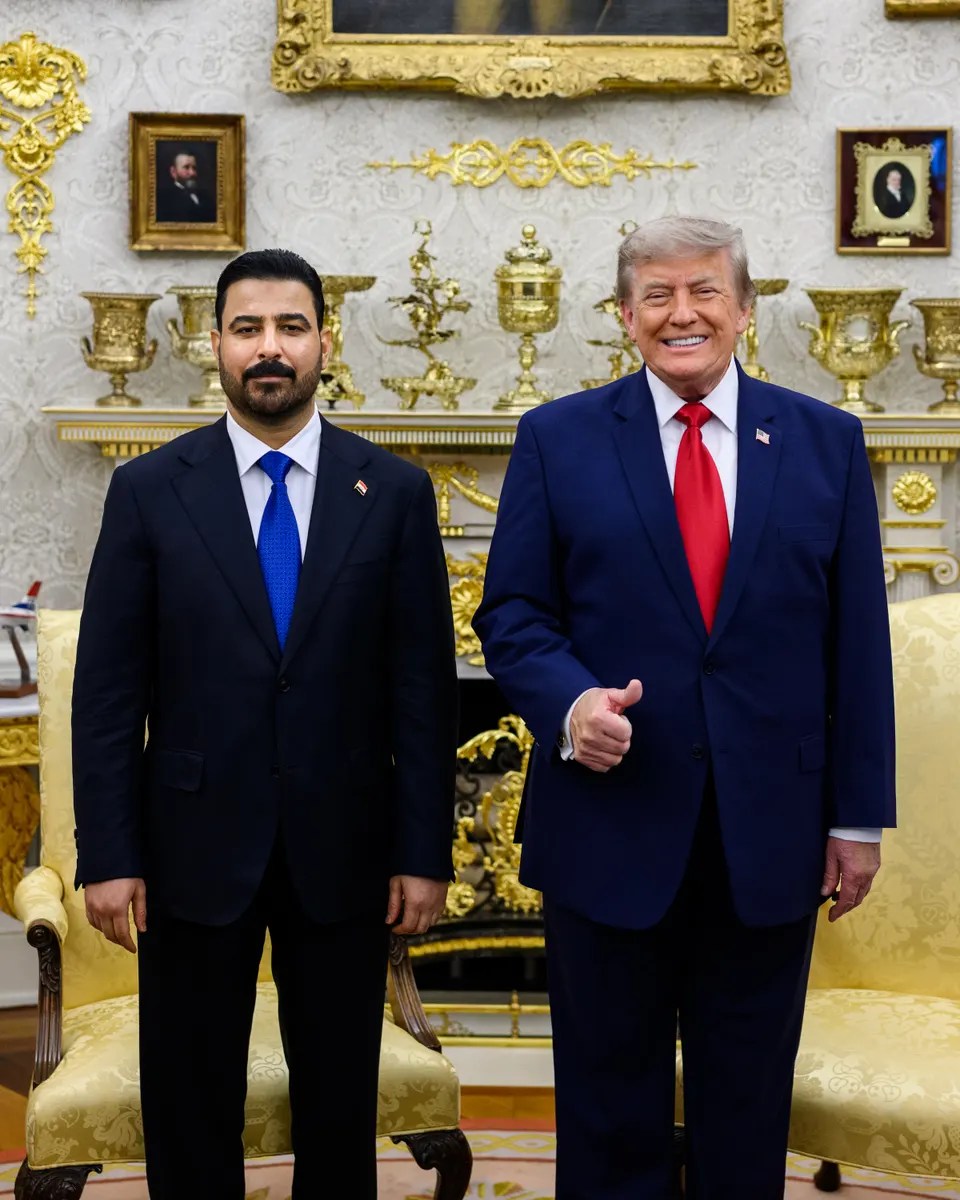
Iraq's ambassador to Iran, Yasser Abdulzahra Al-Hajjaj, has articulated Baghdad's unwavering commitment to fostering closer bilateral cooperation with Tehran. In a statement highlighting an upcoming visit by Iraqi Prime Minister Ali Al-Zaidi to the Iranian capital, Al-Hajjaj emphasized that the trip underscores Iraq's dedication to expanding mutual collaboration and strengthening coordination on matters of shared interest. This diplomatic engagement comes at a critical juncture, as regional stability remains a paramount concern, and closer ties between Baghdad and Tehran could have significant implications for regional security dynamics.
This renewed focus on strengthening the Iran-Iraq relationship is particularly noteworthy given the current geopolitical climate. While the specifics of the upcoming discussions remain under wraps, the emphasis on 'issues of mutual interest' suggests a broad agenda that could encompass economic cooperation, energy security, and regional political alignment. For Iran, such overtures from a key neighbor signal a potential strengthening of its regional partnerships, which could bolster its economic resilience and diplomatic standing amidst international pressures. The direct impact on the Iranian economy, from potential trade route enhancements to increased energy cooperation, is a closely watched development.
Oil Prices Surge as US-Iran Tensions Escalate
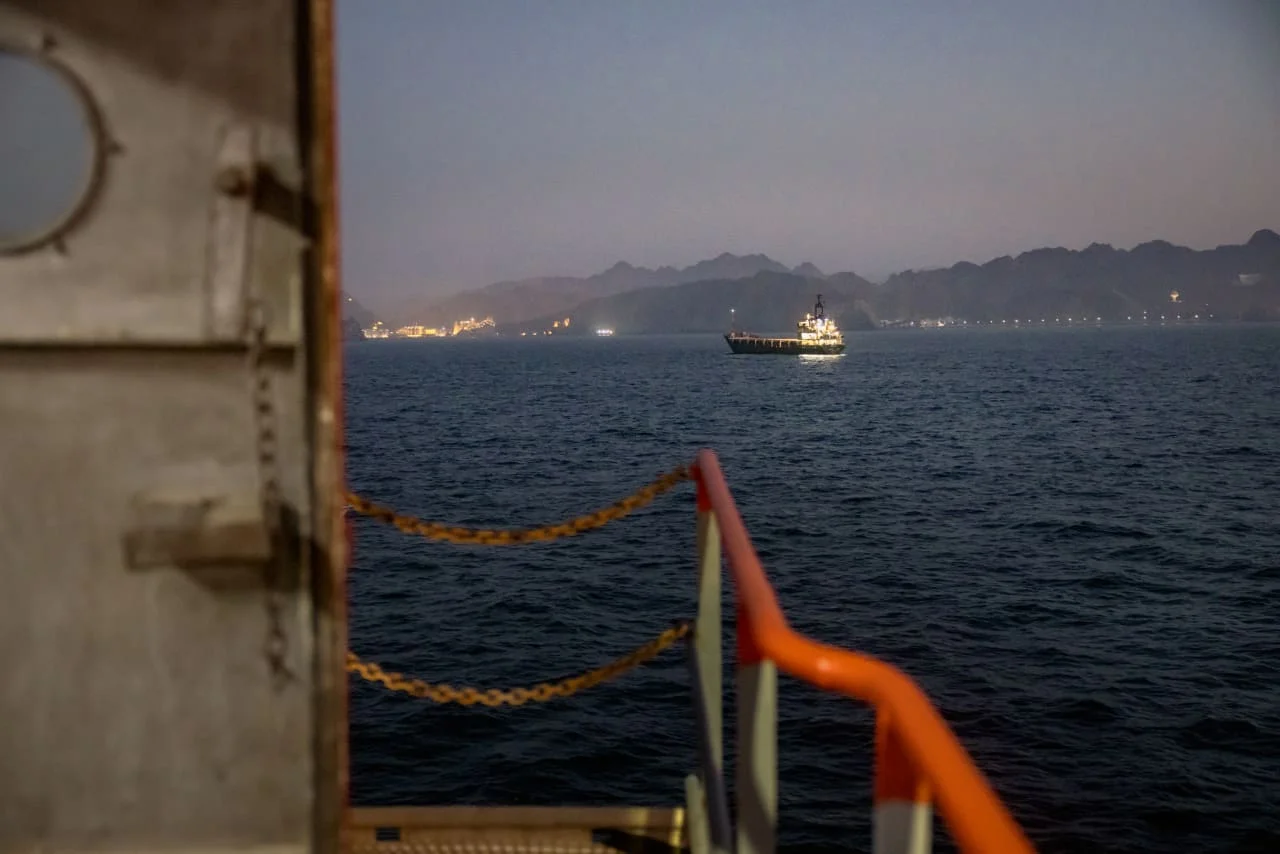
Global oil prices have climbed to a six-week high, breaching the $95 per barrel mark for the first time in over a month. This surge is directly linked to the escalating tensions between the United States and Iran, with President Donald Trump issuing stern warnings about targeting Iranian infrastructure if Tehran takes hostile action against ships in the Strait of Hormuz. The continued military posturing and threats have effectively dimmed hopes for a de-escalation, leading to renewed concerns about potential disruptions to vital oil supply routes.
The market's reaction underscores the delicate balance of global energy security. The Strait of Hormuz remains a critical chokepoint for a significant portion of the world's oil supply, and any perceived threat to its stability sends ripples through commodity markets. For Iran, this situation presents a dual challenge: navigating heightened international scrutiny while leveraging its strategic position to its advantage. The sustained high oil prices, while potentially boosting government revenues, also contribute to inflationary pressures globally, impacting economies far beyond the immediate region. This price movement reflects a market that is pricing in significant geopolitical risk.
Bitcoin Remains Resilient Amidst Geopolitical Jitters
In a notable display of resilience, Bitcoin and broader U.S. stock markets have largely shrugged off the escalating US-Iran tensions, with analysts suggesting a potential decoupling from traditional geopolitical risk factors. While markets often react sharply to such developments, Bitcoin's price action has remained relatively stable, even as global oil prices spike due to the conflict. This stability suggests that investors may be viewing Bitcoin as a distinct asset class, less susceptible to the immediate volatility associated with regional conflicts.
The crypto market's ability to absorb geopolitical shocks without significant downturns is a developing narrative. Reports indicate that Bitcoin price action has been outperforming equities in the face of these tensions, a trend that could signal a shift in investor sentiment. For Iranian investors, who often turn to cryptocurrencies during periods of economic uncertainty, this resilience offers a potential hedge, although the USDT price in Toman remains closely tied to the local currency's fluctuations. The broader implication is that digital assets may be increasingly seen as a safe haven or at least a less correlated investment during times of international instability.
What This Means for You
The commitment from Iraq to deepen ties with Iran could lead to increased trade and economic cooperation, potentially stabilizing the Toman's exchange rate and impacting local prices. Simultaneously, the surge in global oil prices, driven by US-Iran conflict, directly impacts energy costs and contributes to inflation, affecting the purchasing power of every Iranian household. While Bitcoin's resilience is encouraging, its price in Toman is still subject to local currency dynamics and regulatory considerations. Staying informed about these interconnected geopolitical and economic shifts is crucial for navigating personal finances and investment decisions in the current climate.
Frequently Asked Questions
What is the current price of USD in Iran?
Why are oil prices increasing?
How is Bitcoin performing amidst geopolitical risks?
What does Iraq's commitment to deeper ties with Iran signify?
What is the impact of these events on the Iranian economy?
The Geopolitical Risk Premium in Oil Prices
The headline mentions global oil prices hitting a 6-week high amid Iran tensions and the Strait of Hormuz. This scenario perfectly illustrates the concept of the Geopolitical Risk Premium in oil prices. This premium is an additional cost embedded in the price of crude oil, reflecting the market's perception of political instability, conflict, or potential supply disruptions in key oil-producing regions or transit routes. It's not simply a matter of current supply and demand, but rather the market's fear of future disruptions.
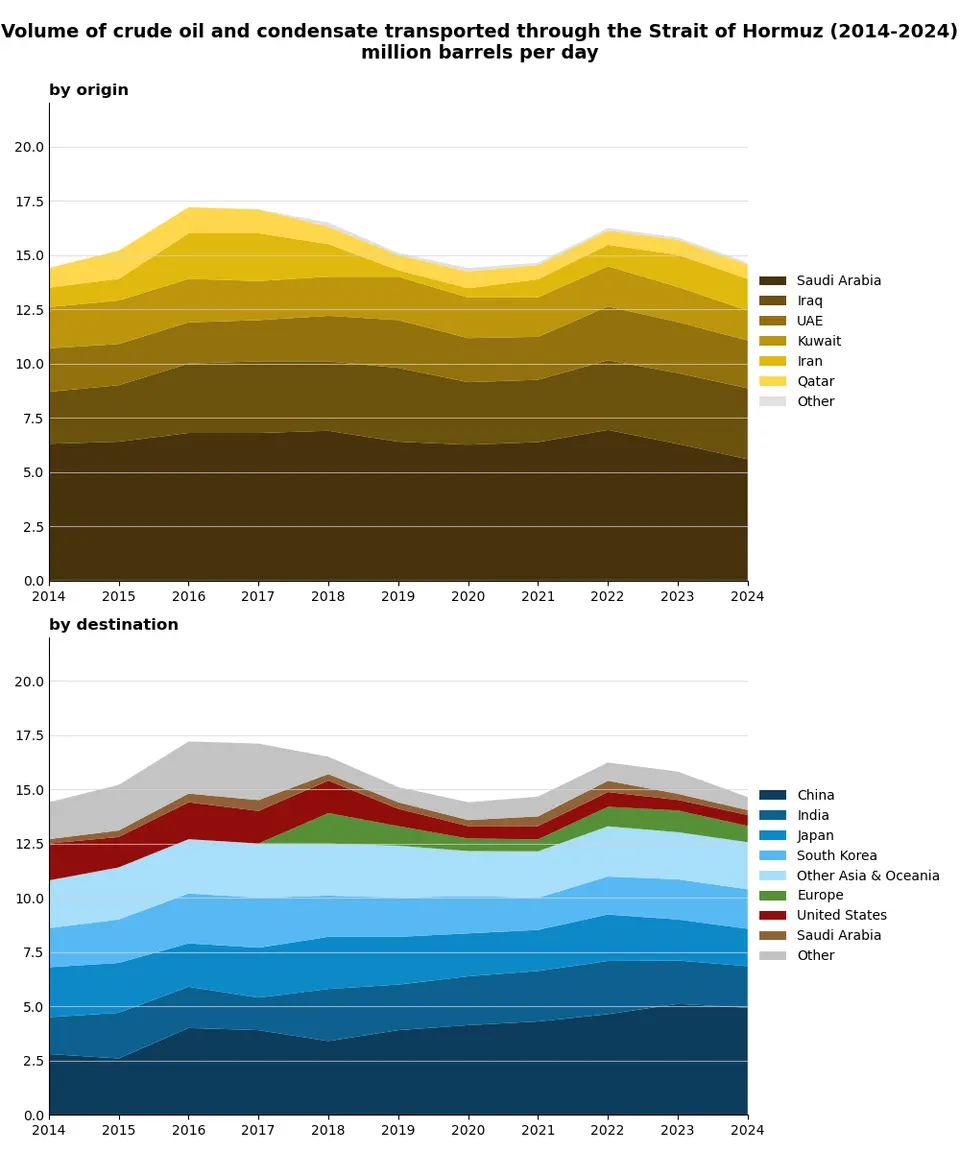
This premium typically surges when there are heightened tensions in critical areas like the Middle East, particularly involving major oil producers or strategic choke points. The Strait of Hormuz, mentioned in the keywords, is a prime example: over a fifth of the world's total oil consumption passes through this narrow waterway. Any threat to its free passage, whether from military confrontation or political maneuvering involving nations like Iran and the US, immediately triggers concerns about global oil supply, leading traders to bid up prices as a hedge against potential shortages.
The presence of a significant geopolitical risk premium has tangible consequences for the global economy. Higher oil prices translate into increased costs for consumers at the pump, higher freight charges for businesses, and inflationary pressures across various sectors. Central banks and governments must then contend with the economic fallout, potentially impacting growth forecasts and monetary policy decisions. Understanding this premium helps explain why oil prices can spike even when physical supply hasn't yet been directly impacted, highlighting the profound influence of political events on economic stability.