
Iran Strikes Back as Tensions Escalate; Crypto Markets Shrug Off Red Sea Attacks
ایران در پی تشدید تنشها پاسخ میدهد؛ بازارهای ارز دیجیتال حملات دریای سرخ را نادیده میگیرند
Iran's military has reportedly struck American targets in Kuwait for the 12th consecutive day amid escalating tensions, while Houthi rebels claim attacks on Red Sea tankers. Meanwhile, the Iranian Rial shows slight fluctuation against the USD, and gold prices have dipped marginally.
At time of publishing
USD
191,800
Toman
Gold 18K
18.86M
Toman / gram
Bitcoin
$65,698
US Dollar
Tether
191,208
Toman
Iran Responds Amid Escalating US Strikes
Iran's military has announced it launched strikes on American targets in Kuwait, marking the 12th consecutive day of retaliatory actions following sustained US military operations. This escalation follows a period of heightened rhetoric, with former US President Donald Trump issuing a stark warning via his Truth Social platform. Trump threatened to bomb and destroy Iranian infrastructure, including power plants near the capital, for any future attacks on shipping in the Strait of Hormuz. The Iranian military's claim of striking targets in Kuwait, if verified, signifies a direct response to perceived aggression and a broadening of the conflict's geographical scope beyond naval confrontations.
This ongoing exchange underscores the volatile geopolitical landscape in the Middle East. The US military's consistent strikes, aimed at degrading Iran's capabilities to threaten maritime traffic, have been met with Iranian defiance and counter-actions. The threat to civilian infrastructure, as articulated by Trump, raises concerns about potential collateral damage and a wider regional conflagration. For Iran, these actions are framed as a defense against foreign interference and a response to perceived threats to its sovereignty, while for the US and its allies, the stated goal is to ensure freedom of navigation and regional stability.

---
Red Sea Tensions Rise, Houthi Attacks Continue
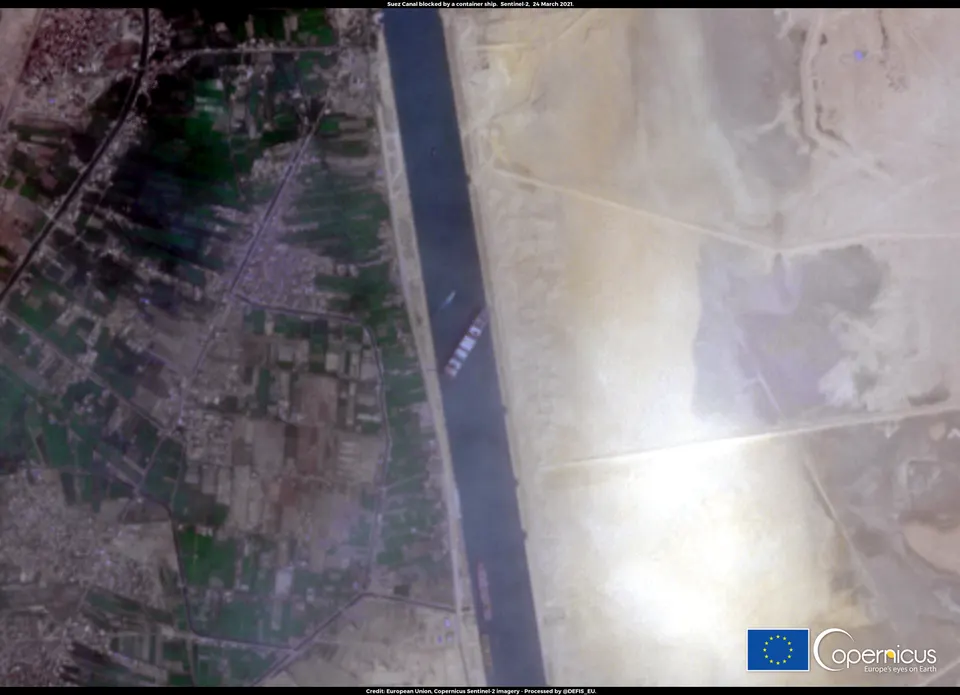
Yemen's Houthi rebels have claimed responsibility for attacks on two Saudi oil tankers in the Red Sea, asserting their actions are in response to a declared "maritime embargo" against Saudi Arabia and a violation of its blockade. These claims come as the US military continues its 12th night of strikes against Iran, part of a broader effort to deter threats to shipping lanes in the Strait of Hormuz and the Bab el-Mandeb Strait. The Houthis stated that the targeted tankers were carrying oil to India and China respectively, indicating a significant disruption to global energy supply chains.
The repeated Houthi assaults, supported by Iran, aim to exert pressure on international shipping and draw global attention to the conflict in Yemen. While the Houthis frame these actions as a protest against regional conflicts and a response to perceived blockades, international observers and shipping companies view them as dangerous acts of piracy that endanger vital trade routes. The US response, involving sustained military action against Iran and its proxies, seeks to re-establish maritime security, but the ongoing attacks suggest a persistent challenge to these efforts and a widening of the regional crisis.
---
Market Reactions: Rial Steady, Gold Dips Amidst Geopolitical Storm
The Iranian Rial has shown marginal movement against the US Dollar, with the sell price moving from 191,700 to 191,800 (a 0.1% increase). This stability, despite the escalating geopolitical tensions and ongoing military exchanges, suggests a degree of resilience in the local currency or perhaps a market that has largely priced in such events. Concurrently, the price of 18k gold per gram has seen a slight decrease, falling by 0.4% from 18,941,317 to 18,860,519 Toman. This dip in gold prices, typically a safe-haven asset during times of uncertainty, might indicate a temporary cooling of immediate fears or a shift in market sentiment.
In contrast to the subdued Rial and falling gold, the Emami coin has experienced a notable increase of 1.3%, moving from 189,000,000 to 191,500,000 Toman. This divergent movement within the precious metals market suggests specific demand for traditional Iranian coinage, potentially driven by local factors or a flight to tangible assets within the domestic economy. Bitcoin and Ethereum prices remain relatively stable in USD terms, with BTC at $65,698 and ETH at $1,923.67, indicating that the broader crypto market is not significantly reacting to the Red Sea attacks or the geopolitical escalations in the Middle East at this hour.
---
Tragic School Attack in Minab Remembered
Five months after an attack in Minab, Iran, that reportedly killed 120 children, the grief remains palpable. A BBC report visits the school, where teachers and mothers recount the horror of the event. The incident, which occurred during a period of heightened regional tensions, has left an indelible scar on the community. Details of the attack and its aftermath continue to emerge, highlighting the human cost of conflict and instability, even when the specific perpetrators and circumstances remain subjects of ongoing scrutiny.
This visit by the BBC underscores the long-term impact of such tragedies. The raw grief and lingering questions about the "crime" committed against innocent children serve as a stark reminder of the devastating consequences that can unfold amidst broader geopolitical turmoil. While the international focus often remains on military and political developments, these reports bring to light the profound and lasting suffering experienced by civilians, particularly the most vulnerable, in regions affected by conflict.
---
Jordan's Strategic Position Under Pressure
Jordan's position as a key US military ally in the Middle East is increasingly making it a potential target for Iran. The presence of American forces on Jordanian soil, crucial for regional security operations and intelligence gathering, places Amman in a precarious geopolitical situation. Despite escalating Iranian airstrikes and threats in the region, Jordan is unlikely to restrict the US military presence, relying heavily on American aid and protection for its own security and stability.
This reliance on US support, while a strategic necessity for Jordan, also heightens its vulnerability to Iranian retaliation. As the conflict between the US and Iran intensifies, Jordan finds itself caught in the middle, balancing its alliance with Washington against the risk of becoming a direct target for Tehran. The ongoing military exchanges in the region, including alleged Iranian strikes and US counter-strikes, create an environment of heightened tension where any perceived provocation could lead to further escalation, directly impacting countries like Jordan that host significant foreign military assets.
Frequently Asked Questions
What specific targets did Iran claim to hit in Kuwait?
What is the Houthi's stated reason for attacking Red Sea tankers?
How have the recent geopolitical events impacted the Iranian Rial and gold prices?
What is the significance of the US military presence in Jordan in the context of Iranian threats?
What is the latest development regarding the tragic school attack in Minab?
The Bab al‑Mandab Strait: A Vital Maritime Chokepoint in Global Oil Trade
The Bab al‑Mandab Strait, a narrow 20‑km passage between Yemen’s Red Sea coast and Djibouti’s Horn of Africa, is one of the world’s most critical maritime chokepoints. Roughly 4 million barrels of oil per day – about 5 % of global oil shipments – transit this corridor, making it a strategic lever for both energy markets and geopolitical actors. Its proximity to the Suez Canal amplifies its importance: any disruption forces vessels to reroute around the Cape of Good Hope, adding up to two weeks and thousands of dollars in fuel costs.
Because the strait lies at the intersection of several conflict zones – the Yemeni civil war, Iranian‑backed Houthi attacks, and the broader US‑Iran rivalry – it is highly vulnerable to security incidents. Houthi missile and drone strikes on oil tankers in the Red Sea have repeatedly forced ships to seek alternative routes or travel under naval escort, creating spikes in freight rates and short‑term price volatility in crude markets. These events illustrate how a localized security shock can ripple through global energy prices, even when the underlying supply fundamentals remain unchanged.
States and international bodies respond to the threat through a mix of naval patrols, convoy systems, and diplomatic pressure. The United States Fifth Fleet, the European Union’s Operation Aspides, and regional navies maintain a visible presence to deter attacks, while insurance premiums for vessels transiting the area rise sharply after each incident. This risk premium is reflected in the cost of shipping contracts and, ultimately, the price consumers pay for gasoline and jet fuel.
Understanding the Bab al‑Mandab’s role helps explain why geopolitical tensions in the Middle East, especially between Iran and its adversaries, can cause oil markets to “shrug off” short‑term shocks yet remain sensitive to sustained disruptions. The strait’s strategic value ensures that any prolonged closure would compel a reshaping of global trade routes, prompting investments in alternative energy transport methods and reinforcing the urgency of diplomatic conflict resolution.