IRGC Warns Neighbors Over US Bases as EU Softens Russian Energy Sanctions; Bitcoin Holds $65K
هشدار تند سپاه به اردن و کویت؛ عقبنشینی اروپا در تحریمهای گازی و پایداری بیتکوین در کانال ۶۵ هزار دلار
The IRGC has issued a sharp warning to Jordan and Kuwait regarding US military presence, while the EU grants concessions to Greece on Russian LNG sanctions. Meanwhile, Bitcoin continues its seven-day inflow streak despite rising regional tensions.
At time of publishing
USD
191,800
Toman
Gold 18K
18.84M
Toman / gram
Bitcoin
$65,511
US Dollar
Tether
191,208
Toman
IRGC Issues Sovereignty Warning to Jordan and Kuwait
In a significant escalation of regional rhetoric, the Islamic Revolution Guards Corps (IRGC) has explicitly warned the governments of Jordan and Kuwait that their hosting of United States military bases constitutes a violation of their own national sovereignty. According to claims reported by state-affiliated media, the IRGC asserts that these bases are being used as launchpads for operations against Iranian interests. The statement emphasizes that Tehran views these facilities not merely as foreign outposts but as direct threats, claiming a "legal right" to target any location from which attacks against Iranian personnel or territory originate. This follows reports of panic at the Iran-Iraq border crossing after alleged US kinetic activity in the area, further tightening the security dilemma in the Middle East.
For the average Iranian observer, this rhetoric is a double-edged sword. While the government frames these warnings as a matter of national defense, the immediate impact is often felt in the currency markets. The US Dollar on the free market moved from 191,700 to 191,800 Toman (+0.1%) in the last 24 hours, showing a cautious but steady climb as traders weigh the risks of a broader regional confrontation. The IRGC's stance suggests that the "shadow war" with the US is moving toward a more vocal stage, which typically leads to capital flight and a preference for hard assets like gold, despite the 18k gold price dipping slightly to 18,844,360 Toman (-0.5%) in the same period.

EU Concedes to Greek Demands in Russian Sanctions Row
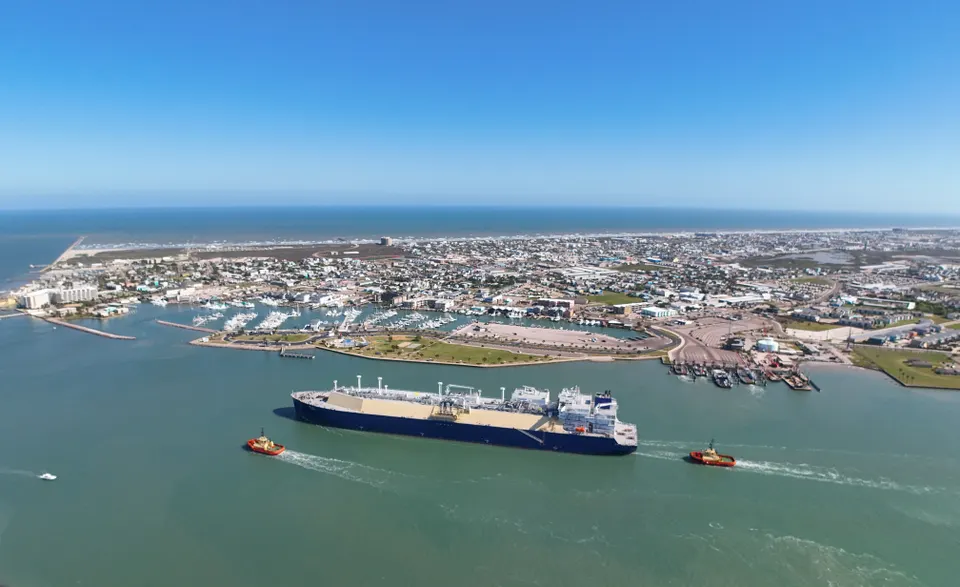
In a move that highlights the internal fractures within the European Union's energy policy, Brussels has reportedly conceded to demands from the Greek government regarding the latest package of sanctions against Russia. The dispute centered on Dynagas, a major Greek shipping firm involved in the transport of Liquefied Natural Gas (LNG). Greece argued that a total ban on LNG shipments to third countries would disproportionately damage its national economy. As a result, the EU has allowed for specific exemptions, illustrating that even as the bloc attempts to tighten the noose on Russian energy revenues, the economic survival of individual member states remains a primary obstacle to a unified front.
This development is particularly relevant for global energy markets and, by extension, Iran's own energy strategy. As the EU negotiates concessions for Russian gas, it signals to other sanctioned producers that the global appetite for energy often overrides political mandates. For Iran, which operates under a complex web of sanctions, these "cracks" in the Western sanctions regime are closely monitored. If Russian energy continues to find pathways into the global market via Greek shipping or other exemptions, it maintains a level of supply that prevents a massive spike in global oil and gas prices—a dynamic that indirectly affects the leverage Tehran holds in its own negotiations with international buyers.
Bitcoin ETFs See $1B Inflow Streak Amid Global Policy Shifts
While geopolitical tensions simmer, the digital asset market is showing remarkable resilience. Bitcoin (BTC) is currently trading around $65,511, maintaining its position despite the noise from the Middle East. US-based spot Bitcoin ETFs have recorded an impressive seven-session inflow streak, bringing nearly $1 billion in fresh capital into the ecosystem in just one week. This institutional demand is acting as a significant buffer against the volatility typically seen during periods of global instability. In the Iranian market, Tether (USDT) is trading at 191,208 Toman, closely mirroring the free market USD rate and serving as a primary vehicle for local investors looking to hedge against Rial depreciation.
Simultaneously, fiscal policies in the West are shifting in ways that could influence broader market sentiment. In the UK, regional leaders like Andy Burnham are proposing significant business rate cuts for hospitality and live music venues to stimulate local economies, while also cracking down on "anti-social" businesses like vape shops. These micro-economic shifts, combined with the progress of the Clarity Act in the US, suggest a maturing regulatory environment for both traditional and digital finance. For the Iranian reader, the stability of Bitcoin at the $65,000 level offers a stark contrast to the local inflation narrative, though the barrier to entry remains high due to the ever-weakening Rial.
Internal Dissent Within Labor Parties Over Gaza and Trade
Political unity is fraying in various parts of the world, most notably within the Australian Labor Party (ALP). Outspoken MP Ed Husic has publicly criticized his party for being "allergic to dissent," specifically breaking ranks on the government's stance regarding Israel's conduct in Gaza. Husic’s comments at the party’s national conference highlight a growing rift between party leadership, which prioritizes "progress over protest," and members who demand a more ethical foreign policy. This internal friction reflects a global trend where domestic political bases are increasingly at odds with their governments' geopolitical alignments, particularly concerning the Middle East conflict.
This political instability in Western democracies often has ripple effects on international trade and sanctions enforcement. When governments face significant internal pressure regarding their foreign policy, their ability to maintain a consistent stance on regional conflicts—like those involving Iran or its proxies—can be compromised. For the Iranian public, these reports of dissent are often framed by state media as a sign of Western decline, though the reality is more complex: it represents a democratic struggle over the direction of national policy that could eventually lead to shifts in how these nations engage with the Middle East and its various actors.
Frequently Asked Questions
Why is the IRGC warning Jordan and Kuwait specifically?
How did the Greek LNG exemption affect Russian sanctions?
Why is Bitcoin rising despite Middle East tensions?
What is the impact of the US-Iran border incident on the Rial?
Understanding Economic Sanctions: A Tool of Geopolitics
Economic sanctions are punitive measures imposed by one or more countries against another country, specific individuals, groups, or entities. Far from being a mere financial tool, they represent a powerful instrument of foreign policy and geopolitics, designed to coerce a change in behavior or policy without resorting to military force. These measures can range from comprehensive trade embargoes and asset freezes to targeted restrictions on specific sectors like energy, finance, or technology, and even travel bans on key individuals. Their primary goal is often to pressure a target state into complying with international norms, deterring aggression, preventing nuclear proliferation, or addressing human rights abuses.
The effectiveness of economic sanctions is a subject of ongoing debate. While they can undeniably inflict significant economic pain, disrupt trade, and limit access to global financial markets, their ability to achieve desired policy changes is often complex and unpredictable. Sanctions can lead to unintended consequences, such as humanitarian crises, the rise of black markets, or even a strengthening of nationalist sentiment within the targeted country, making its leadership more resistant to external pressure. Furthermore, the globalized nature of trade and finance means that sanctions can sometimes be circumvented, or their impact softened by alternative trade partners.
The recent headlines, such as the EU's decision to soften certain sanctions on Russian liquefied natural gas (LNG) or the imposition of sanctions on specific Greek shipping entities, illustrate the intricate dance of international relations. The EU's move reflects the pragmatic challenges of balancing geopolitical objectives with domestic energy security needs, highlighting how even major powers can face trade-offs when implementing or maintaining sanctions. Similarly, targeting shipping companies underscores efforts to close loopholes and prevent the circumvention of existing restrictions, often in response to ongoing conflicts or geopolitical tensions.
In essence, economic sanctions are a double-edged sword: a non-military means of exerting pressure, but one whose application requires careful consideration of its intended and unintended impacts. They are a constant feature of the modern geopolitical landscape, shaping international trade, energy markets, and the relationships between nations, as countries navigate complex challenges from regional security threats, like the IRGC's warnings, to global energy dynamics.