EU Unveils Massive Sanctions as Oil Hits $98 Amid US-Iran Conflict and Red Sea Chaos
بزرگترین بسته تحریمی اتحادیه اروپا علیه روسیه؛ نفت در سایه درگیری ایران و آمریکا به ۱۰۰ دلار نزدیک شد
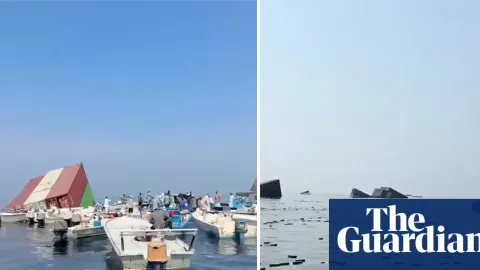
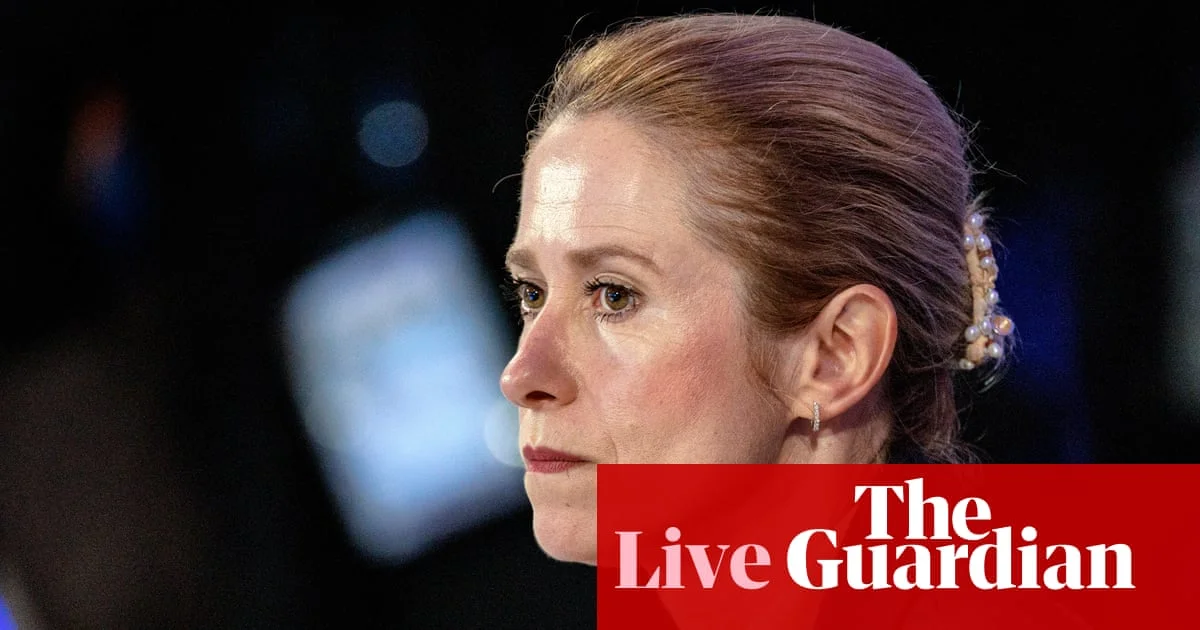
EU Foreign Policy Chief Kaja Kallas has announced the largest sanctions package in four years, targeting Russia's financial and energy sectors. Meanwhile, oil prices have surged toward $100 per barrel following direct military escalations between US and Iranian forces and continued Houthi attacks on global shipping.
At time of publishing
USD
191,800
Toman
Gold 18K
18.80M
Toman / gram
Bitcoin
$65,738
US Dollar
Tether
191,208
Toman
EU Targets Putin’s War Machine with Historic Sanctions
European Union foreign policy chief Kaja Kallas has formally announced the 21st sanctions package against Russia, describing it as the most expansive and punitive measure since 2022. This latest round is designed to "hit Putin where it hurts most" by specifically targeting the Kremlin’s financial infrastructure and its military-industrial complex. The package includes sweeping restrictions on the energy sector, which remains the primary engine of Russia’s war economy. Kallas emphasized that these measures are intended to close existing loopholes and significantly degrade Moscow's ability to sustain long-term military operations.
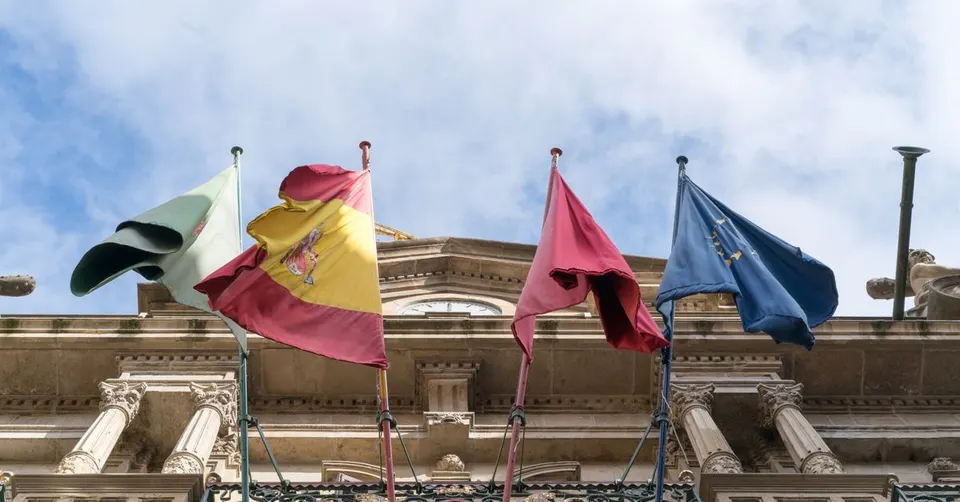
For Iranian observers, this escalation in Western sanctions policy is a critical indicator of the global geopolitical climate. As the EU tightens its grip on Russian energy and finance, the "shadow fleet" and alternative trade routes that both Moscow and Tehran rely on are coming under increased scrutiny. The alignment of EU policy with aggressive enforcement suggests that any nation facilitating Russian sanctions evasion—including those in the Middle East—could face secondary consequences. This move reinforces the trend of economic warfare becoming a permanent fixture of international relations in 2026.
Oil Nears $100 as Red Sea Conflict Intensifies
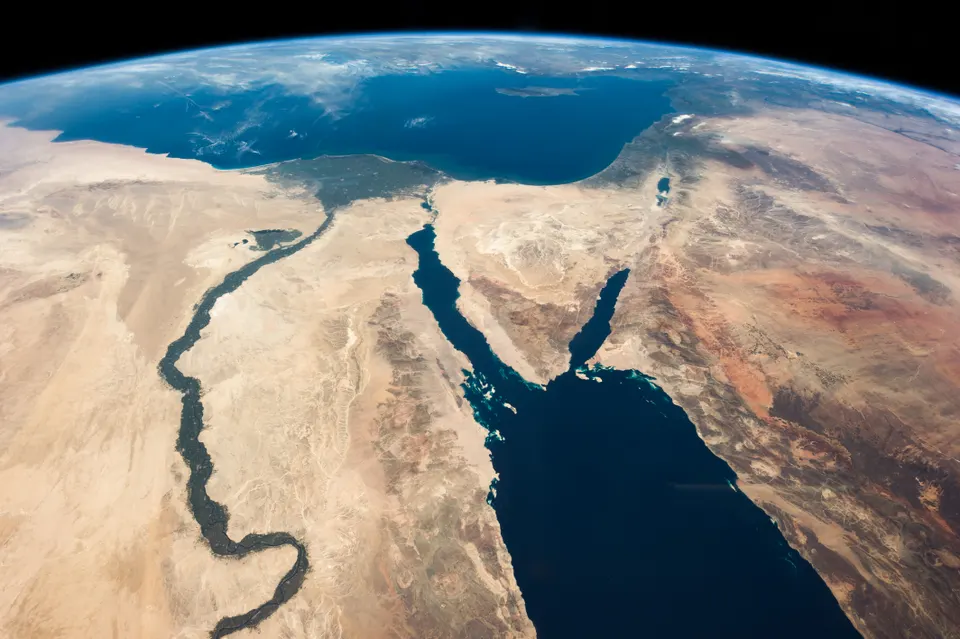
Global energy markets are on edge as Brent crude surged to $98.03 per barrel, a 4.21% increase within 24 hours. This spike is driven by a dangerous "two-chokepoint problem" involving the Strait of Hormuz and the Bab el-Mandeb. Tensions reached a boiling point after the Pentagon identified four more American service members killed in the escalating conflict between US and Iranian forces, bringing the recent death toll to 18. This direct military friction, coupled with Houthi attacks on Saudi Arabian tankers, has created a high-risk premium for shipping across the region. Even Chinese supertankers carrying millions of barrels of oil are now being tested as they attempt to navigate these volatile waters.
In the domestic Iranian market, the reaction to rising global oil prices remains complex. While higher prices theoretically increase the value of Iran's exports, the reality of a "Trump-era" war and the threat of total naval blockades in the Red Sea have created significant volatility. The US benchmark WTI crude is also nearing $90, up 3.16%. Traders are increasingly worried that the current military posture in the Middle East will lead to sustained supply disruptions, making the $100-per-barrel mark a likely reality by the end of the week. This environment puts immense pressure on global inflation and complicates the economic outlook for oil-importing and exporting nations alike.
US Proposes 'China Tariff Bank' to Revitalize Industry
In a bold move to decouple the American economy from Chinese manufacturing, Democratic lawmakers in the US Congress have proposed the creation of a massive new development bank. This institution would be funded entirely by revenue generated from tariffs on Chinese imports, with an estimated $15 billion allocated annually. The goal is to provide grants, loans, and strategic investments to small and medium-sized American businesses, fostering a "reindustrialization" not seen since the post-World War II era. Representative Ro Khanna, a lead proponent of the bill, argues that this will strengthen domestic supply chains and reduce reliance on adversarial nations for critical technology and materials.
This policy shift has profound implications for global trade and emerging markets. By institutionalizing tariffs as a funding mechanism for domestic industry, the US is signaling a permanent move away from traditional free-trade models. For countries like Iran, which often find themselves navigating the cracks between US and Chinese economic spheres, this "reindustrialization" effort could lead to even more restrictive trade environments. If the US successfully builds a self-sustaining manufacturing base funded by protectionist measures, the global demand for cheaper, non-Western industrial goods may shift, forcing a realignment of trade partnerships across Asia and the Middle East.
Market Snapshot: USD Edges Higher, Gold Dips
As of 14:00 Tehran time, the Iranian currency market shows a slight upward trend for the US Dollar, which rose from 191,700 to 191,800 Toman (+0.1%). This stability is notable given the intense regional military developments, suggesting that the market may have already priced in much of the current geopolitical risk. Meanwhile, gold prices have seen a minor correction; 18-karat gold fell from 18,941,317 to 18,802,807 Toman per gram (-0.7%), and the Emami coin decreased from 189,000,000 to 188,500,000 Toman (-0.3%). This downward movement in gold, despite rising oil prices, likely reflects a local liquidity shift or profit-taking after recent rallies.
In the digital asset space, Bitcoin continues to hold its ground at $65,738, showing resilience despite the broader macro-economic uncertainty. The crypto market appears to be in a "holding pattern," catching its breath after a 13% recovery from earlier lows. Investors are closely watching the US Federal Reserve's next moves and the impact of Alphabet’s increased AI spending, which has provided a bullish sentiment for the tech-heavy segments of the market. For Iranian traders, the USDT rate remains closely tied to the free-market USD, currently sitting at 191,208 Toman, serving as a primary hedge against local currency fluctuations.
Frequently Asked Questions
Why is the EU launching its largest sanctions package now?
What is driving oil prices toward $100 per barrel?
How is the Iranian Rial reacting to the Red Sea escalation?
What is the proposed US 'China Tariff Bank'?
Understanding the Geopolitical Risk Premium in Oil Prices
The concept of a geopolitical risk premium is crucial for understanding why global commodity prices, especially oil, often surge amidst international tensions and conflicts, even when immediate supply disruptions aren't evident. This premium refers to the additional cost built into the price of a commodity, reflecting the market's assessment of potential future supply disruptions, increased transportation costs, or policy-driven restrictions stemming from political instability. It’s essentially a hedge against uncertainty, where buyers are willing to pay more to secure supply, anticipating that future events might make it scarcer or more expensive.
This premium arises from a confluence of factors. Geopolitical events, such as military conflicts, sanctions, or significant diplomatic disputes, introduce a high degree of unpredictability into global supply chains. For instance, attacks on shipping routes, like those by Houthi rebels in the Red Sea, directly increase transit times and insurance costs, while also raising the specter of severe disruptions to a vital artery of global trade. Similarly, the imposition of sanctions, like those by the EU on Russia, can directly reduce the available supply to certain markets or increase the cost for others to source alternative supplies, thereby tightening the global market.
The market's reaction isn't always based on actual, immediate supply cuts but often on the perception and fear of future disruptions. When tensions escalate between major oil-producing or transit nations, such as the US and Iran, the potential threat to critical chokepoints like the Strait of Hormuz can trigger speculative buying and push prices upwards. This forward-looking anxiety means that oil prices can climb significantly even before a single barrel of oil is physically withheld from the market, as traders price in the heightened risk of future supply shocks.
Understanding the geopolitical risk premium helps explain why headlines linking "massive sanctions," "Red Sea chaos," and "US-Iran conflict" directly correlate with rising oil prices. It underscores how global politics are inextricably linked to economic stability, making energy markets particularly sensitive to the ebb and flow of international relations. This phenomenon highlights the inherent volatility in global commodity markets, where political developments far from a consumer's doorstep can directly impact their cost of living.