
Oil Surges to $100 as Red Sea Conflict Escalates; Trump Issues Direct Threat to Tehran
نفت ۱۰۰ دلاری شد؛ تهدید مستقیم ترامپ علیه تهران در پی حملات دریای سرخ
Brent crude has breached the $100 mark following Houthi attacks on Saudi tankers, triggering a sharp warning from Donald Trump regarding Iranian infrastructure. Meanwhile, the US-Saudi nuclear deal is creating a new strategic reality for the region as global markets grapple with tech-sector volatility.
At time of publishing
USD
192,000
Toman
Gold 18K
18.89M
Toman / gram
Bitcoin
$65,075
US Dollar
Tether
191,208
Toman
Crude Breaches $100 as Red Sea Warfare Intensifies
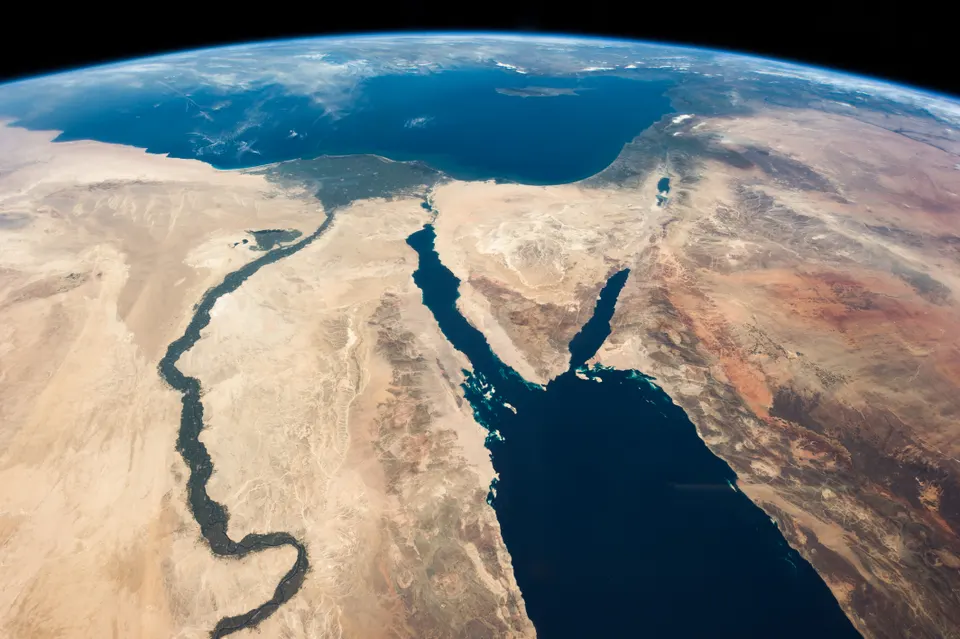
The global energy market reached a fever pitch this Thursday as Brent crude oil prices surged past the $100-per-barrel mark for the first time since May. This dramatic spike follows claims from Yemen’s Houthi militia that they successfully targeted two Saudi Arabian tankers in the Red Sea. The escalation has reignited fears of a total maritime embargo in one of the world’s most critical shipping lanes. Markets reacted instantaneously to the news, with benchmark prices rising more than 5% within hours as traders priced in the growing risk of a wider regional conflagration that could physically disrupt crude flows.
Adding fuel to the fire, Donald Trump issued a blistering ultimatum via social media, explicitly linking the Houthi actions to Tehran. The U.S. President warned that any further interference with shipping in the Strait of Hormuz or the Red Sea would result in direct military strikes against Iranian infrastructure. Specifically, Trump threatened to "bomb and destroy" power plants and bridges, including those located in or near the capital city of Tehran. This rhetoric represents a significant departure from previous containment strategies, suggesting that the White House is now prepared to hold the Iranian government directly accountable for the actions of its regional proxies.
For the Iranian public, this escalation is already being felt in the currency markets. While gold and coin prices saw a slight technical correction today, the U.S. Dollar remains under upward pressure as the specter of direct conflict looms. The threat to domestic infrastructure like power plants is not just a military concern but a massive economic risk that could further destabilize an already fragile domestic economy. As the "maritime embargo" declared by the Houthis continues, the cost of insurance and shipping for all regional players is expected to skyrocket, potentially leading to a new wave of imported inflation across the Middle East.
The US-Saudi Nuclear Deal and the Double Standard Dilemma
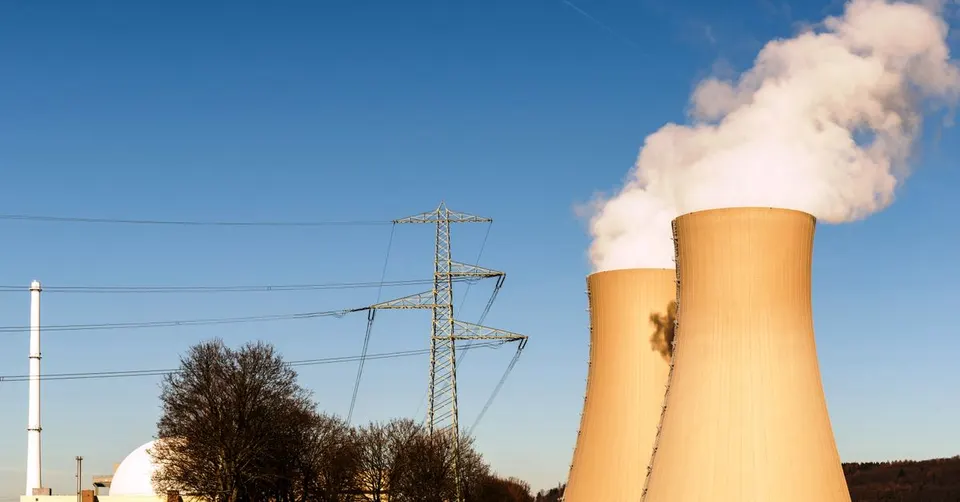
While the Red Sea burns, a different kind of fire is being lit in the halls of diplomacy. The Trump administration’s push for a landmark nuclear deal with Saudi Arabia has reached a critical juncture, with the President confirming that the deal is contingent on Riyadh joining the Abraham Accords and recognizing Israel. The agreement would reportedly allow Saudi Arabia to enrich uranium on its own soil—a major concession that the United States has historically denied to even its closest democratic allies. This move is designed to anchor Saudi Arabia firmly within the U.S. orbit while creating a nuclear counterweight to Iran’s own program.
However, this "special treatment" for the Kingdom has sparked an international backlash, most notably from South Korea. Seoul has long sought similar enrichment rights for its civilian nuclear program but has been consistently blocked by Washington. South Korean officials are now pointing to a "glaring double standard," arguing that the U.S. is prioritizing geopolitical expediency over global non-proliferation norms. For Tehran, this deal represents a double-edged sword: while it confirms the regional shift toward normalization with Israel, it also signals that the U.S. is willing to facilitate a nuclear-capable rival on Iran’s doorstep to maintain regional dominance.
Market Illusions: Alphabet’s Earnings and Local Rial Stability
In the world of high finance, a startling report has cast doubt on the recent "record profits" reported by Google’s parent company, Alphabet. Analysts are warning that the massive growth seen in Alphabet’s latest earnings is largely an "illusion" created by unrealized gains from investments in companies like SpaceX and the AI startup Anthropic. On paper, earnings appeared to quadruple, but the underlying reality is a historic cash drain as the company pours billions into the AI arms race. This revelation has cooled the initial tech rally, as investors realize that the core advertising business may not be as robust as the headline numbers suggested.
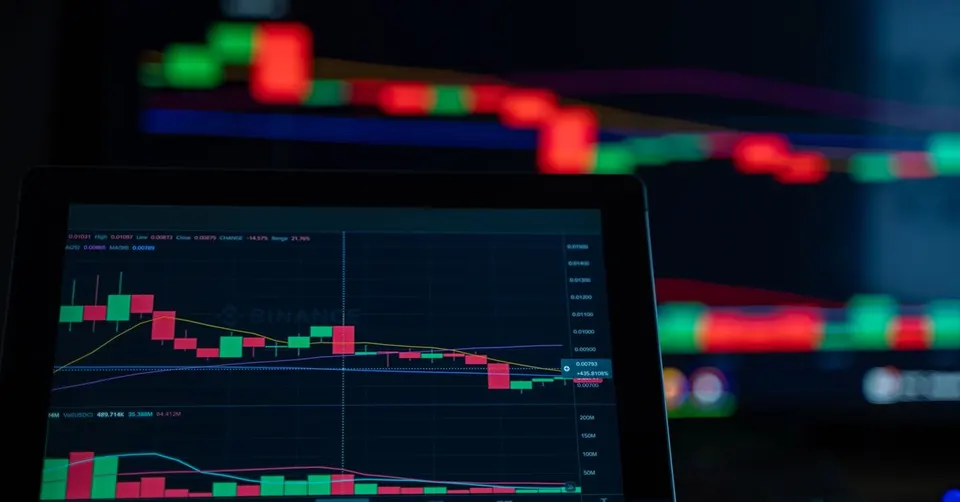
In the local Iranian market, these global shifts are manifesting in a tense standoff. The USD sell rate moved from 191,700 to 192,000 Toman (+0.2%) over the last 24 hours, reflecting a slow but steady climb driven by geopolitical anxiety. Conversely, gold and coins saw a minor retreat; the 18k gold gram fell from 18,941,317 to 18,892,839 Toman (-0.3%), and the Emami coin dropped from 189,000,000 to 188,500,000 Toman (-0.3%). This divergence suggests that while international gold prices are stabilizing, the local demand for the Dollar as a safe-haven currency remains the primary driver of market sentiment in Tehran.
What this means for the average reader is a period of extreme volatility where traditional correlations may break down. Usually, gold and the dollar move in tandem in Iran, but the current threat of direct strikes on Iranian soil has made the physical greenback the preferred asset over gold coins. As long as the rhetoric from Washington remains at this level of intensity, the pressure on the Rial is unlikely to subside, regardless of how global oil prices or tech stocks perform.
Watch
Why are Houthis threatening to attack Saudi ships? | Sean Bell analysis
Sky News
Frequently Asked Questions
Why did oil prices reach $100 today?
What exactly did Donald Trump threaten regarding Tehran?
Why are gold and the US Dollar moving in opposite directions in Iran?
What is the South Korean complaint regarding the US-Saudi nuclear deal?
Understanding the Geopolitical Risk Premium in Oil Prices
The recent surge in oil prices to $100 amidst escalating Red Sea conflicts highlights a critical concept in commodity markets: the geopolitical risk premium. This premium is the extra amount buyers are willing to pay for oil (or other commodities) due to perceived or actual instability in politically sensitive regions that could disrupt supply. It's not just about current supply and demand; it's about the fear of future disruptions.
When conflicts erupt in key oil-producing regions or along vital shipping lanes, such as the Red Sea, markets react by pricing in this uncertainty. The Red Sea, for instance, is a critical maritime choke point, connecting the Suez Canal to the Bab el-Mandeb Strait, through which a significant portion of the world's seaborne oil and liquefied natural gas (LNG) passes. Attacks on tankers or threats to regional stability raise concerns about the safety of transit, potentially increasing shipping costs, insurance premiums, and transit times as vessels reroute.
This perceived risk translates directly into higher oil prices for several reasons. Traders and speculators, anticipating potential supply shortages or increased costs, bid up prices. Oil-importing nations may seek to build strategic reserves, further increasing demand. Moreover, the long-term implications of such conflicts can deter investment in oil infrastructure, affecting future supply. The geopolitical risk premium acts as a buffer, reflecting the market's collective anxiety about the stability of global energy supplies.