
Oil Breaches $100 as Red Sea Conflict Deepens; US House Moves to Curb War Powers
نفت از مرز ۱۰۰ دلار گذشت؛ فشار کنگره آمریکا برای مهار جنگ و تنشهای دریای سرخ
Brent crude has surged past $100 following Houthi attacks on Saudi tankers, while the US House of Representatives voted to restrict military action against Iran. This escalation coincides with a massive rally in defense stocks like Lockheed Martin, signaling a deepening global shift toward a war-time economy.
At time of publishing
USD
193,200
Toman
Gold 18K
18.95M
Toman / gram
Bitcoin
$64,759
US Dollar
Tether
191,208
Toman
Red Sea Attacks Push Brent Crude Past $100
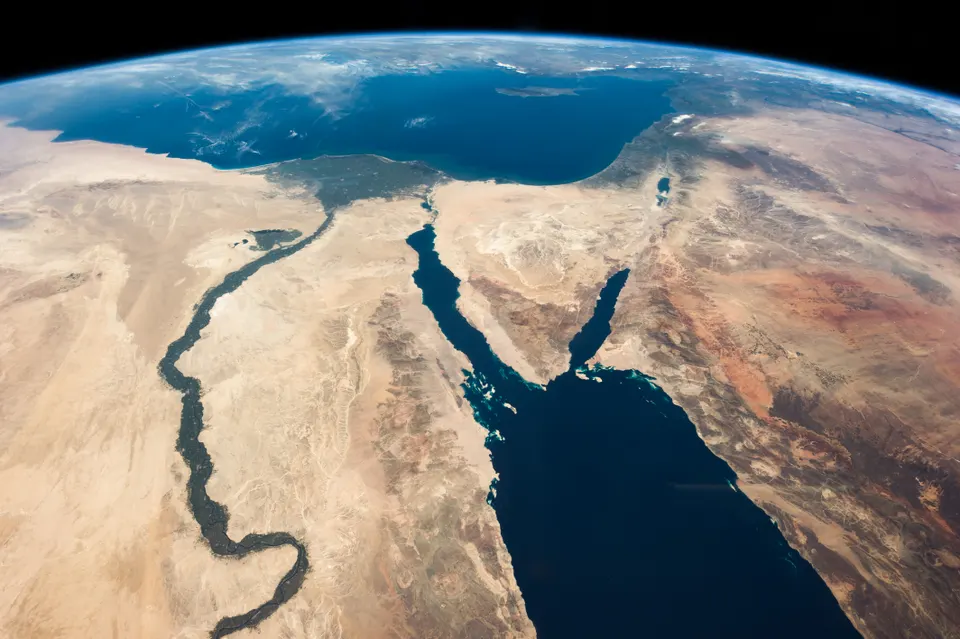
The global energy market has entered a state of high volatility as Brent crude oil officially breached the $100 per barrel mark this Thursday. The surge was triggered by reports from Yemen's Houthi rebels claiming successful strikes on two Saudi Arabian oil tankers in the Red Sea. This escalation has effectively shattered the relative price stability of the early summer, with Brent rising over 7% in a single day to reach an intraday high of $101.01. Traders are now pricing in a significant 'war premium' as the risk of a prolonged supply disruption in the Middle East becomes a concrete reality rather than a speculative fear.
For the Iranian market, this global spike has immediate domestic repercussions. The US Dollar in the Tehran market moved from 191,700 to 193,200 Toman, reflecting a 0.8% increase in just 24 hours. While higher oil prices theoretically benefit oil-exporting nations, the heightened risk of regional conflict and the potential for tighter maritime blockades are weighing heavily on the Rial. Investors are increasingly seeking refuge in hard currency and gold, despite a slight 0.3% dip in the Emami coin price, which currently sits at 188,500,000 Toman as the market digests the rapid shifts in geopolitical risk.
US House Rebukes Trump Administration with War Powers Vote
In a significant domestic political development in Washington, the House of Representatives has passed a war powers resolution aimed at curbing the administration's ability to engage in military action against Iran without explicit congressional approval. The vote, which ended 214-208, saw four Republicans—Brian Fitzpatrick, Warren Davidson, Tom Barrett, and Thomas Massie—break party lines to join Democrats in a rare rebuke of President Trump’s regional strategy. This legislative pushback comes as the administration grapples with a $1.15 trillion defense bill that faces a steep uphill battle in the Senate, highlighting a growing rift within the US government over the costs and consequences of Middle Eastern intervention.
This vote is more than just a procedural hurdle; it represents a formal attempt by the legislative branch to reclaim constitutional authority over war-making. The timing is critical, as it follows a direct threat from President Trump on social media, where he warned that any Iranian attack on shipping in the Strait of Hormuz would result in the destruction of Iranian infrastructure, including power plants near Tehran. The House's action signals to both domestic audiences and international allies that the American political landscape remains deeply divided on the wisdom of an all-out conflict, potentially complicating the administration's 'maximum pressure' rhetoric.

The Saudi Nuclear Gambit and the Abraham Accords
The White House has introduced a new layer of complexity to Middle Eastern diplomacy by explicitly linking a landmark nuclear energy deal with Saudi Arabia to the kingdom's recognition of Israel. Press Secretary Karoline Leavitt stated that the deal is 'contingent' on Saudi Arabia joining the Abraham Accords. This move places Riyadh in a difficult position: while the kingdom is eager to diversify its energy mix and develop domestic nuclear capabilities to preserve its oil for export, the political cost of formalizing ties with Israel remains high. Opponents of the deal in Washington have expressed concerns that providing nuclear technology to the kingdom could inadvertently spark a regional nuclear arms race, potentially leading to the development of an atomic bomb.
From a regional perspective, this 'nuclear-for-peace' trade-off is a high-stakes gamble. If Saudi Arabia moves forward, it would fundamentally redraw the geopolitical map of the Middle East, further isolating Tehran and creating a powerful new security bloc. However, the insistence on the Abraham Accords suggests that the US is using its technological edge as a primary lever to force a diplomatic breakthrough. This development is being closely watched by markets, as any shift in Saudi-Israeli relations would have profound implications for regional stability, shipping security, and long-term energy pricing strategies.
Defense Sector Booms as Lockheed Martin Hits 25-Year High
While consumers and energy-dependent industries are reeling from $100 oil, the global defense industry is experiencing a historic windfall. Lockheed Martin’s stock recorded its best trading day in 25 years following an earnings report that far exceeded Wall Street expectations. The company’s success is driven by a massive ramp-up in missile production and advanced defense systems, fueled by the ongoing conflicts in both the Middle East and Europe. This 'war economy' surge highlights a growing divergence in the financial markets: while traditional consumer tech and automotive sectors like Tesla face wipeouts, the military-industrial complex is thriving on the back of global instability.

This trend underscores a broader shift in global capital allocation. Investors are moving away from speculative growth stories and toward companies with guaranteed government contracts and essential hardware. For the average observer, this serves as a sobering reminder that the current geopolitical tensions are being institutionalized into the global financial system. As missile production lines run at full capacity, the likelihood of a quick de-escalation seems lower, suggesting that high volatility in energy and currency markets may be the new normal for the foreseeable future.
Frequently Asked Questions
Why did oil prices cross $100 today?
What does the US House war powers resolution mean for Iran?
How is the Saudi-Israel deal linked to nuclear energy?
Understanding the Geopolitical Risk Premium in Oil Prices
When headlines scream about oil prices breaching $100 amidst conflicts in critical regions like the Red Sea, it's not simply a matter of supply and demand. A significant factor at play is the geopolitical risk premium – an additional cost tacked onto commodity prices, especially oil, due to the perceived threat of supply disruptions stemming from political instability, conflicts, or other geopolitical events. This premium reflects the market's anxiety and its attempt to price in future uncertainties.
This risk premium arises because geopolitical events can directly or indirectly impact the flow of oil. For instance, the Red Sea, a vital maritime chokepoint, is a transit route for a substantial portion of global oil and gas shipments. Attacks or heightened tensions in such a region can lead to higher shipping insurance costs, longer transit times as vessels reroute, and even actual supply disruptions if passages become unsafe. Even the threat of these disruptions, rather than actual cuts, is enough to trigger a speculative response in the market, pushing prices higher as traders anticipate future scarcity or increased costs.
The geopolitical risk premium isn't just about immediate physical supply; it's also about market sentiment and the psychological impact of uncertainty. When major oil-producing regions or critical shipping lanes face instability, market participants become more cautious, leading to increased hedging activities and speculative buying. This creates upward pressure on prices, essentially serving as an insurance policy against potential future shocks. Understanding this premium helps explain why oil prices can surge dramatically even when global oil inventories appear stable, as the market is pricing in future risks, not just current fundamentals.
Ultimately, this concept highlights the interconnectedness of global energy markets with international politics and security. For consumers and economies worldwide, a rising geopolitical risk premium means higher energy costs, which can fuel inflation, impact trade balances, and slow economic growth. It underscores why stability in key regions is not just a political concern, but a fundamental economic one.