
Iran Rejects U.S. Cease-Fire Offer as Trump Unleashes Global Trade War with New Tariffs
رد پیشنهاد آتشبس آمریکا توسط ایران همزمان با آغاز جنگ تجاری گسترده ترامپ علیه ۸۰ کشور
Tehran has officially rejected a U.S. cease-fire proposal delivered via Iraq, as military strikes continue for a 13th night. Simultaneously, the Trump administration has shocked global markets by imposing new 10-12.5% tariffs on over 80 nations, including major allies like Canada and the UK.
At time of publishing
USD
193,500
Toman
Gold 18K
18.87M
Toman / gram
Bitcoin
$65,393
US Dollar
Tether
191,208
Toman
Diplomacy Fails as Strikes Enter Second Week
The geopolitical tension in the Middle East reached a new peak this morning as Iranian officials formally rejected a cease-fire proposal delivered by the Prime Minister of Iraq. The proposal, which was carried to Tehran following the Prime Minister’s recent visit to the White House, sought to de-escalate a conflict that has now seen thirteen consecutive nights of U.S. military strikes on Iranian targets. Iranian leadership appears to view the offer as insufficient or insincere, particularly as the U.S. military continues its kinetic operations. This rejection signals a narrowing window for diplomatic intervention and suggests that both sides are dug into their respective positions, with Tehran maintaining its defiance despite the mounting pressure on its domestic infrastructure.
Adding to the volatility, Iran’s Foreign Minister Abbas Araghchi issued a sharp warning to Washington regarding the potential seizure of Iranian assets. Araghchi described the rhetoric coming from the Trump administration as an "incendiary precedent" that could stir global chaos. Meanwhile, the regional spillover is becoming more tangible as Iranian-aligned groups have labeled UK military bases as legitimate targets due to their use by U.S. forces. For the average Iranian citizen, this stalemate translates into continued economic uncertainty and a heightened state of alert, as the prospect of a swift resolution fades into the background of a prolonged military engagement.
Trump’s Global Tariff Shockwave
In a move that has sent shockwaves through the global economy, President Donald Trump has imposed a fresh round of sweeping tariffs on more than 80 countries. These new levies, ranging from 10% to 12.5%, effectively replace a temporary global duty that was set to expire. The administration is utilizing a "forced labor" provision to circumvent previous Supreme Court rulings that had declared earlier blanket tariffs illegal. This aggressive trade policy targets a vast array of nations, including the United Kingdom, Mexico, Canada, Australia, and the European Union. The move is seen as a direct effort to boost American manufacturing, but it has immediately drawn fierce protests from allies who view it as a violation of existing trade agreements.
The timing of these tariffs is particularly poignant for U.S.-Canada relations. The $4.5 billion Gordie Howe International Bridge, a massive infrastructure project connecting Michigan and Ontario, was intended to be a symbol of cooperation as it nears its opening. However, the new tariffs have muted any celebrations, turning the bridge into a monument of strained ties instead. Economists warn that these tariffs will likely lead to retaliatory measures from trading partners, potentially sparking a full-scale global trade war. For investors, this means a shift toward defensive assets and a likely increase in consumer prices across the board as supply chains are forced to absorb the additional costs.

Energy Markets and Local Financial Impact
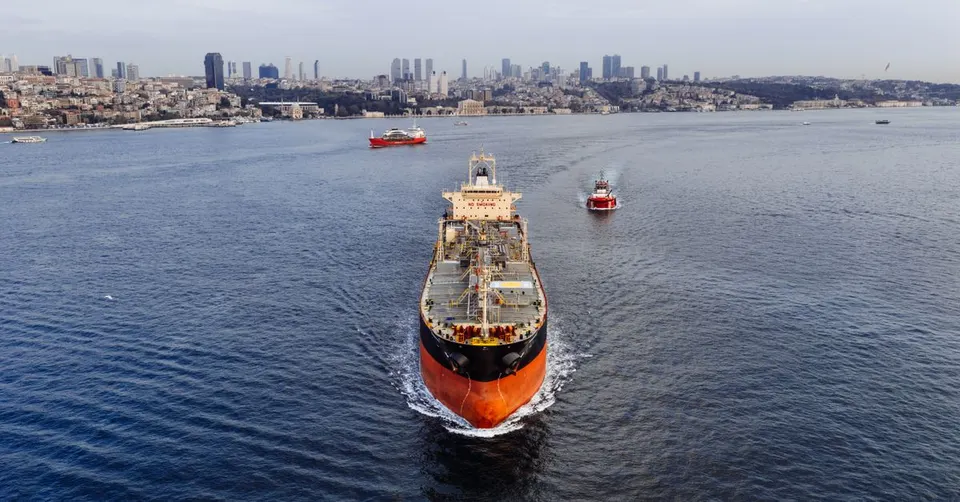
The convergence of Middle Eastern conflict and global trade tensions has pushed crude oil prices to a critical threshold. Brent crude has topped $100 per barrel as the Strait of Hormuz remains almost entirely paralyzed. With the Yemeni Houthis targeting tankers in the Red Sea and supply disruptions in Kazakhstan following drone attacks, the global fuel supply chain is under immense strain. This energy crisis is providing a floor for inflation globally, making it difficult for central banks to consider interest rate cuts. The paralysis of the Persian Gulf shipping lanes is no longer just a regional concern but a systemic risk to the global economy that is driving up logistics costs everywhere.
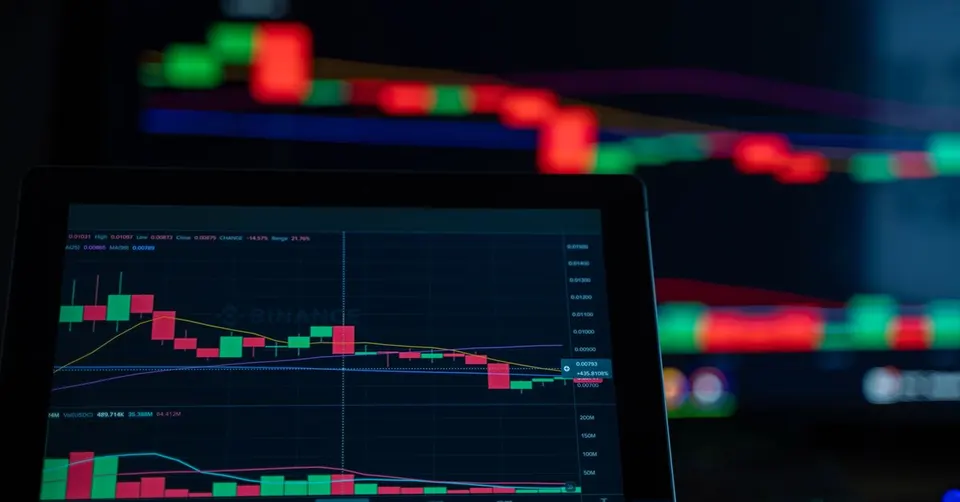
In the local Iranian market, the currency has shown remarkable resilience despite the surrounding chaos. The USD/IRR exchange rate remained stable over the last 24 hours, holding at 193,500 Toman (+0.0%). However, the gold market saw a slight correction, with 18k gold dropping from 18,975,945 to 18,872,062 Toman per gram, a decrease of 0.5%. This suggests that while the currency is being tightly managed, the broader commodity market is reacting to the global fluctuations in gold prices, which currently sit at a high of $4,036.20 per ounce. For crypto enthusiasts, Bitcoin (BTC) is trading at $65,393, reflecting a cautious sentiment as traders weigh the impact of potential U.S. asset seizures and the broader trade war on digital asset liquidity.
Frequently Asked Questions
Why did Iran reject the latest cease-fire proposal?
How is Trump bypassing the Supreme Court to impose new tariffs?
What is causing the surge in global oil prices to $100?
The Strategic Importance of the Strait of Hormuz
The Strait of Hormuz, a narrow waterway between the Persian Gulf and the Gulf of Oman, is one of the world’s most critical chokepoints for oil transportation. Roughly 20% of global petroleum liquids—about 21 million barrels per day—pass through this 21‑kilometre‑wide channel, making any disruption instantly felt on international oil markets. Because the strait lies between Iran and the United Arab Emirates, geopolitical tensions involving Tehran can quickly translate into price spikes, as traders price in the risk of a sudden closure.
The physics of supply and demand magnify the strait’s influence. When shipping routes are threatened, insurers raise premiums for tankers, and shipping companies may reroute vessels around the Cape of Good Hope, adding thousands of miles and days to voyages. These added costs, combined with the psychological impact of a potential supply shock, often push Brent and WTI crude prices upward, sometimes beyond $100 per barrel, even if actual oil flows remain unchanged. The 2019‑2020 price surge after heightened Iran‑U.S. rhetoric illustrates how market expectations can outpace physical constraints.
Beyond oil, the strait’s significance extends to global trade balances and currency dynamics. Countries that rely on oil imports must allocate more of their foreign‑exchange reserves—often in U.S. dollars—to cover higher purchase costs, which can weaken local currencies such as the Iranian rial (IRR). Conversely, higher oil revenues can bolster the budgets of oil‑exporting nations, affecting their fiscal policies and debt servicing. This interplay helps explain why a trade war that includes new U.S. tariffs can exacerbate volatility in both oil and gold markets, as investors seek safe‑haven assets.
Historically, the Strait of Hormuz has been a flashpoint for naval confrontations. Iran’s occasional threats to block the passage are rooted in a strategy of “asymmetric deterrence,” leveraging its small but capable navy to offset the overwhelming conventional superiority of the United States and its allies. Understanding this strategic calculus is essential for interpreting headlines about cease‑fire offers, mediation attempts by Iraq, or broader U.S. trade measures, because the strait’s status often serves as a barometer for regional stability.
For policymakers and investors alike, the key takeaway is that the Strait of Hormuz functions as a pressure valve for the global energy system. Monitoring diplomatic signals, naval deployments, and insurance rates provides early warning of potential supply disruptions, allowing markets to adjust before price shocks become entrenched.