
US Tariffs Escalate, Iran Faces Strait of Hormuz Tensions, Crypto Sees Outflows
تشدید تعرفههای آمریکا، تنش در تنگه هرمز برای ایران و خروج سرمایه از بیتکوین
The United States has imposed new tariffs on over 80 trading partners, citing labor concerns, while tensions simmer in the Strait of Hormuz with reduced tanker traffic. In the crypto world, Bitcoin ETFs experienced significant outflows, signaling a potential shift in investor sentiment.
At time of publishing
USD
193,500
Toman
Gold 18K
18.92M
Toman / gram
Bitcoin
$65,309
US Dollar
Tether
191,208
Toman
US Imposes Sweeping New Tariffs Over Forced Labor Concerns
Starting this Friday, the United States has rolled out a significant escalation in its trade policy, imposing new tariffs on imports from approximately 60 trading partners. This move, affecting nearly 99 percent of all goods entering the country, replaces a previous temporary global tariff and is framed by the administration as a measure to combat goods produced with forced labor. The broad application of these tariffs suggests a more aggressive stance on international trade practices, potentially impacting supply chains and consumer prices globally.
This development is particularly noteworthy as it signals a shift towards more protectionist policies, driven by concerns over labor standards. The impact on global markets could be substantial, as businesses reliant on imports from these nations will face increased costs. For consumers, this could translate into higher prices for a wide range of products. The administration's justification, focusing on forced labor, aims to align trade policy with ethical considerations, but the economic repercussions are likely to be far-reaching, prompting businesses to reassess their sourcing and pricing strategies.

---
Strait of Hormuz Traffic Dips Amid Heightened Geopolitical Tensions
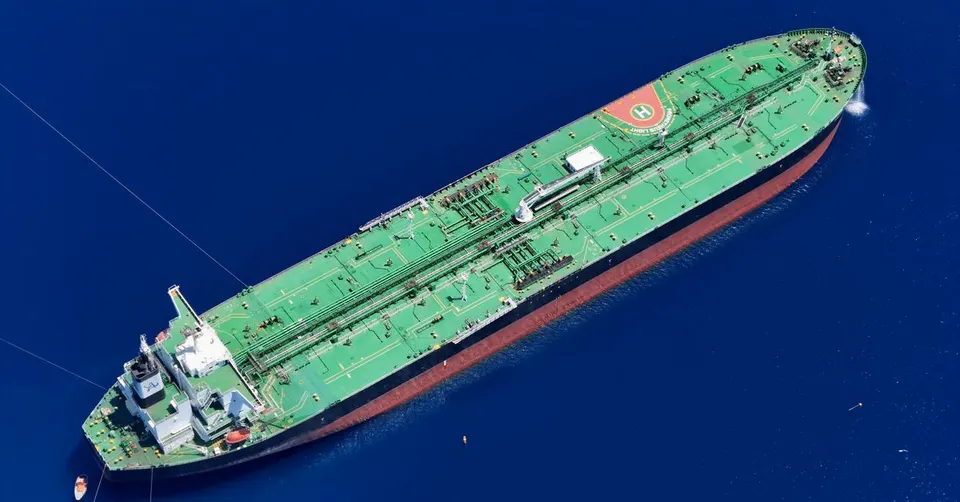
Concerns are mounting over maritime security in the Strait of Hormuz, a critical chokepoint for global oil supply, as tanker crossings have reportedly fallen to their lowest levels in two months. This decrease coincides with heightened geopolitical tensions in the region, including reported U.S. actions and Iranian responses. The situation is further complicated by threats from President Trump to punish Iran for Houthi attacks in the Bab el-Mandeb Strait, which he views as proxy actions. The reduced traffic in the Strait of Hormuz suggests that shipping companies may be rerouting or exercising extreme caution due to the perceived risks, potentially impacting global energy markets.
The implications of this reduced transit are significant. A sustained drop in tanker traffic through the Strait could lead to supply disruptions and upward pressure on oil prices, affecting economies worldwide. For Iran, maintaining freedom of navigation and ensuring the unimpeded flow of oil through its adjacent waters is a matter of national interest. The statements from the U.S. president indicate a willingness to apply significant military pressure, escalating the risk of direct confrontation. This delicate balance between geopolitical maneuvering and the vital flow of commerce underscores the volatile nature of the region.
---
Bitcoin ETFs See Significant Outflows, Signaling Shifting Investor Sentiment
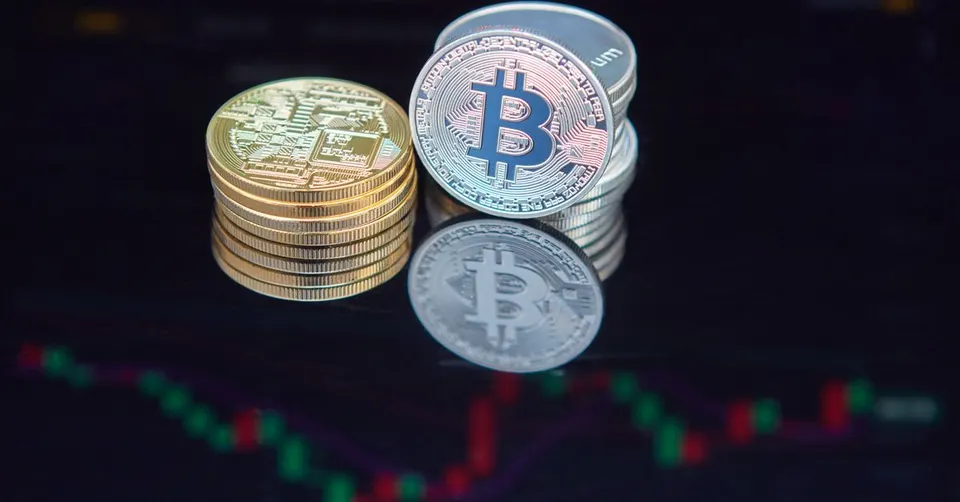
After a period of consistent inflows, U.S.-listed spot Bitcoin Exchange Traded Funds (ETFs) have recorded their first daily net outflow in over a week, shedding $225 million. This shift from a seven-day streak of attracting nearly $1 billion marks a potential turning point in investor sentiment towards Bitcoin. The outflow suggests a possible cooling of speculative interest or a reallocation of capital by institutional investors, which could influence Bitcoin's price trajectory in the short term.
This development occurs against a backdrop of broader market dynamics. While the crypto market has shown resilience, such outflows from major investment vehicles can indicate a more cautious approach from risk assets. For investors in Iran, where cryptocurrency is a popular, albeit often volatile, alternative to traditional financial instruments, this trend in U.S. markets can influence local trading patterns and confidence. The demand for stablecoins like USDT, often used as a hedge against currency fluctuations, might see increased attention if broader market uncertainty persists.
Frequently Asked Questions
What is the primary reason cited by the US for the new tariffs?
Why is the decrease in tanker traffic in the Strait of Hormuz significant?
What does the outflow from Bitcoin ETFs indicate?
How do these global events potentially affect the Iranian market?
What was the 24-hour change for gold and major currencies in Iran?
Understanding Geopolitical Risk in a Connected World
Geopolitical risk refers to the potential for political decisions, events, or instability in one country or region to significantly affect the economic and political stability of other nations or the global economy. It encompasses a wide array of scenarios, from trade disputes and regional conflicts to political upheavals and policy shifts. The headline, with its mention of escalating US tariffs and tensions in the Strait of Hormuz, perfectly illustrates how such risks can ripple across international borders, impacting everything from global trade routes to financial markets.
Consider the "US Tariffs Escalate" aspect. Tariffs are political tools designed to influence trade balances or protect domestic industries, but they often spark retaliatory measures, leading to trade wars. These disputes introduce uncertainty for businesses, disrupt global supply chains, and can slow economic growth worldwide. Similarly, "Strait of Hormuz Tensions" represent a critical geopolitical flashpoint. This narrow waterway is a vital chokepoint for global oil shipments; any disruption there, whether due to military posturing or direct conflict, can send shockwaves through energy markets, causing oil prices to surge and impacting economies heavily reliant on imported energy.
The consequences of escalating geopolitical risks are far-reaching. They can trigger capital flight from perceived risky regions, lead to currency fluctuations, and dampen investor confidence, affecting traditional asset classes like stocks and bonds. Even newer markets, such as cryptocurrencies, are not immune. The "Crypto Sees Outflows" mentioned in the headline suggests that in times of heightened global uncertainty, investors may retreat from riskier, more volatile assets like Bitcoin ETFs, seeking safer havens or simply reducing their overall exposure to risk. This demonstrates the profound interconnectedness of today's global financial system, where a political event in one corner of the world can almost instantly influence investment decisions across continents.