West Bank Bloodshed Ignites Regional Fears as Trump’s Economic Policies Reshape Global Markets
خونریزی در کرانه باختری و سایه سنگین سیاستهای ترامپ بر بازارهای جهانی
A deadly shooting in the West Bank marks one of the deadliest days in months, while the Trump administration pushes forward with aggressive tariffs and the rollout of new 'Trump accounts.' Meanwhile, Tehran warns neighbors against aiding U.S. strikes as oil remains above $100.
At time of publishing
USD
192,100
Toman
Gold 18K
18.70M
Toman / gram
Bitcoin
$64,020
US Dollar
Tether
191,208
Toman
West Bank Violence Reaches Boiling Point
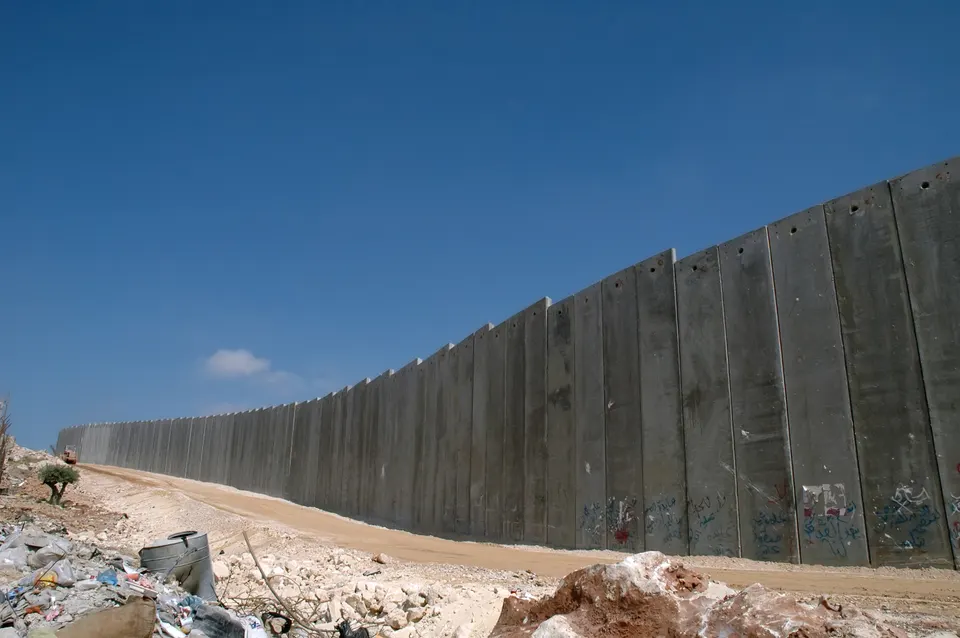
The security situation in the Middle East has taken a sharp turn for the worse following a deadly shooting in the West Bank that left six people dead, including four Palestinians and two Israelis. The incident, which occurred near the settlement of Havat Gilad and the village of Tal, is being described by officials as one of the deadliest encounters in recent months. Israeli Prime Minister Benjamin Netanyahu has already vowed to respond with "full force," a statement that typically precedes significant military escalations in the occupied territories.
This spike in violence does not exist in a vacuum; it comes amid a backdrop of heightened regional tension where any localized spark can ignite a broader conflict. For global observers and market participants, the West Bank is often seen as a secondary theater compared to the Persian Gulf, but the humanitarian and political costs of a third intifada or a sustained military campaign would further strain diplomatic efforts to stabilize the region. The immediate impact has been a flight to safety in certain asset classes, though the broader market remains fixated on the looming threat of direct U.S.-Iran hostilities.
Trump’s Economic Engine: Tariffs and 'Child Accounts'
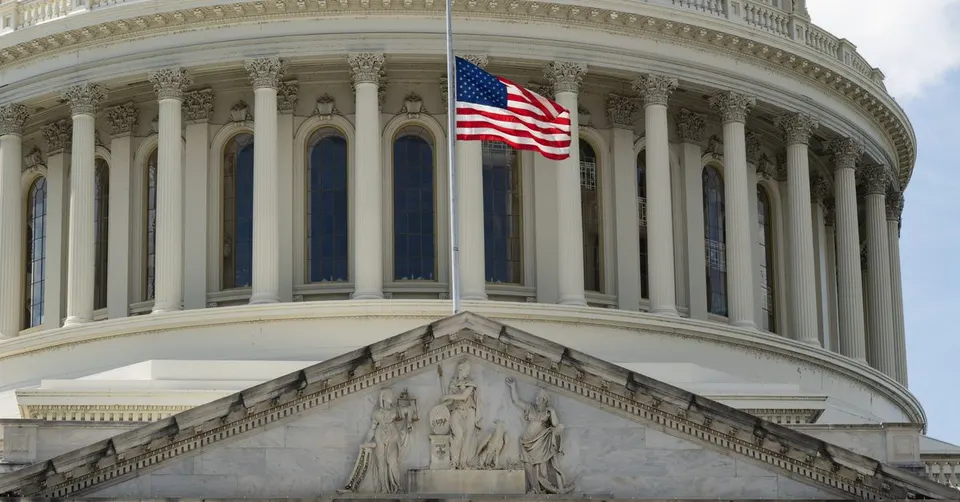
On the domestic front in the United States, the Trump administration is aggressively pursuing a dual-track economic strategy that blends populist spending with protectionist trade barriers. The Treasury Department confirmed today that approximately $1.5 billion has already been deposited into the newly established 'Trump accounts' for children, a program designed to provide $1,000 to every American child. While the administration frames this as a direct investment in the future, critics and economists are closely watching for its inflationary impact, as injecting billions into the economy during a period of trade volatility could complicate the Federal Reserve's long-term interest rate goals.
Simultaneously, the administration is doubling down on its trade war. Even after the massive rollout of tariffs earlier this week, officials have indicated that more are coming. Currently, the U.S. has maintained elevated tariffs for 60 economies, using justifications ranging from national security to allegations of forced labor. For the Iranian market, this global trade friction has a direct cooling effect on risk appetite. In the last 24 hours, the USD/IRR exchange rate in Tehran's open market saw a slight cooling, with USD moving from 193,500 to 192,100 (-0.7%), while Gold 18k/gram dropped from 18,975,945 to 18,698,924 (-1.5%) as local investors paused to assess the impact of these global shifts.
Tehran’s Warning and the $100 Oil Reality
Geopolitical rhetoric between Washington and Tehran has reached a fever pitch following Donald Trump’s comments regarding a potential "massive attack" on Iranian interests. In response, the Iranian government has issued a stern warning to its neighbors, stating that any country providing assistance or base access for a U.S. operation will be held directly accountable. This "active deterrence" strategy is designed to pressure regional powers like Saudi Arabia and the UAE to remain neutral, even as they face their own security challenges from Iran-backed groups in the Red Sea.
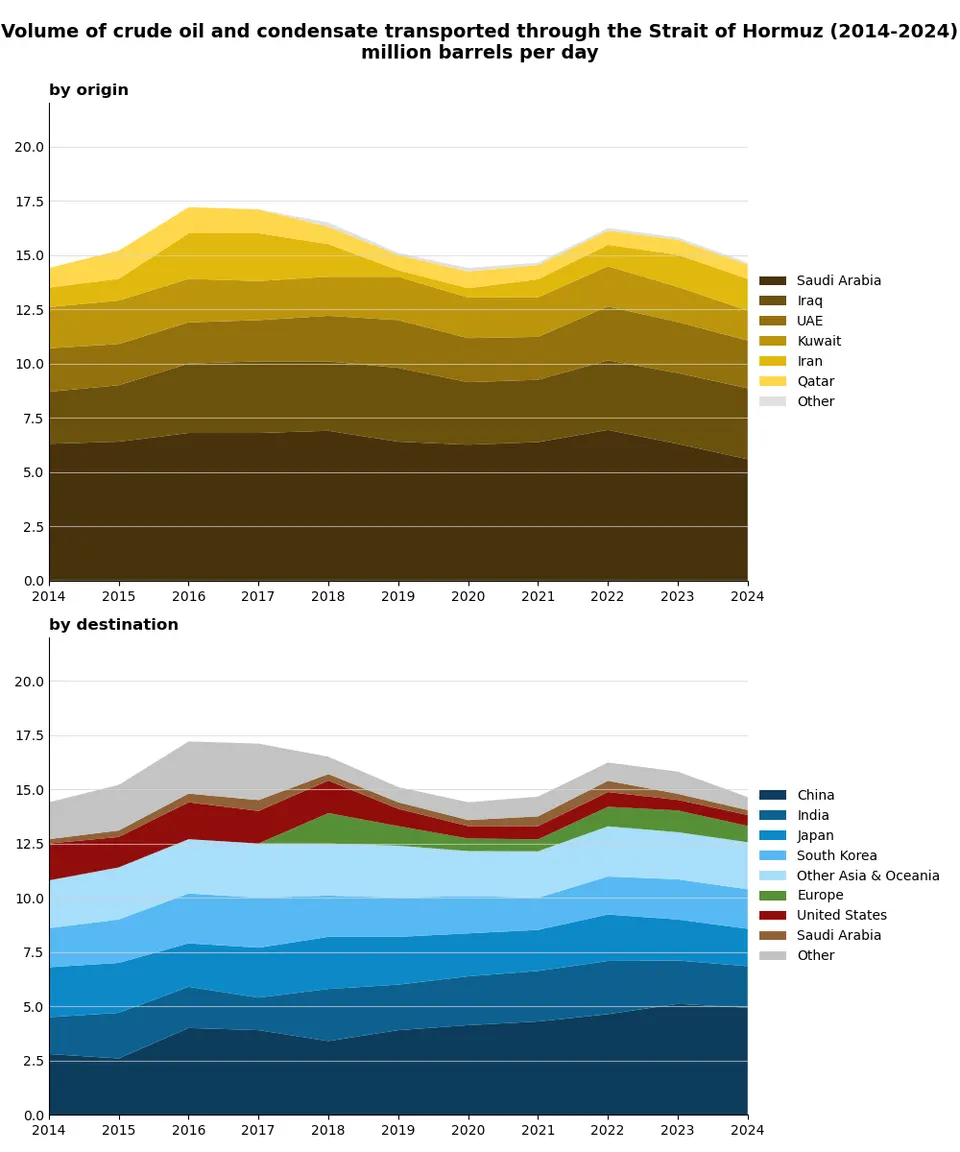
Despite the war drums, diplomatic backchannels remain somewhat active. An Omani delegation arrived in Tehran today to discuss the management of the Strait of Hormuz, a critical maritime artery that has seen a significant decline in traffic due to the ongoing naval standoff. With Brent crude oil holding steady above the $100 mark, the stakes for global energy security have never been higher. The market is currently pricing in a "war premium," but the actual physical disruption of oil flows through Hormuz remains the ultimate nightmare scenario for the global economy. For Iranian citizens, this translates to a high-cost environment where the price of essential goods is increasingly tied to the risk of military escalation.
UK Political Turmoil: The Reform Party’s Defense
In the United Kingdom, the Reform Party is facing a significant internal crisis as it instructs its councillors to dismiss a police investigation into political donations as an "establishment stitch-up." The investigation focuses on donations linked to George Cottrell, a high-profile figure within the party’s orbit. This defensive posture comes at a time when polling for Reform UK is beginning to slide, suggesting that the "anti-establishment" narrative may be losing its luster among voters who are increasingly concerned about transparency and the rule of law.
This political instability in the UK, while geographically distant from Tehran, contributes to a general sense of Western political fragmentation. As major Western powers deal with internal scandals and populist shifts, their ability to project a unified front on international issues—including the Iran nuclear file or Middle East peace processes—is severely diminished. For global investors, this political noise in London adds another layer of uncertainty to the British Pound, which currently sells for 256,250 Toman in the Tehran market.
Frequently Asked Questions
How does the West Bank violence impact the Iranian Rial?
What are the 'Trump accounts' mentioned in the news?
Why is the Omani delegation in Tehran right now?
Understanding Geopolitical Risk Premium in Commodity Markets
When headlines speak of regional bloodshed, war warnings, and critical chokepoints like the Strait of Hormuz, financial markets often react by embedding an additional cost into the price of certain commodities, most notably oil. This additional cost is known as the Geopolitical Risk Premium. It represents the extra amount buyers are willing to pay, and sellers demand, to account for potential future disruptions to supply or demand stemming from political instability, conflict, or policy changes in key producing or transit regions.
This premium isn't an arbitrary figure; it's a reflection of market participants' collective assessment of risk. For instance, if tensions escalate in a region vital for oil production or shipping, traders anticipate potential supply interruptions—whether due to direct conflict, sanctions, or logistical challenges. This fear of scarcity, even if supply hasn't been directly impacted yet, drives up prices. The Strait of Hormuz, a narrow passage through which a significant portion of the world's seaborne oil supply travels, is a prime example where any threat of disruption immediately triggers a substantial geopolitical risk premium in crude oil prices.
The implications of a geopolitical risk premium extend far beyond the commodity itself. Higher oil prices, for example, translate into increased costs for transportation, manufacturing, and ultimately, consumer goods. This can fuel inflation, erode purchasing power, and force central banks to consider tighter monetary policies. For economies heavily reliant on oil imports, a significant premium can strain national budgets and hinder economic growth, illustrating how regional conflicts, even those geographically distant, can have profound global economic repercussions, reshaping markets as the headline suggests.