Energy Giants Pivot to AI Infrastructure as Middle East War Risks and 6% Yields Loom
چرخش غولهای انرژی به هوش مصنوعی در پی سایه جنگ و نرخ بهره ۶ درصدی بر بازارها
Major energy firms like SLB are diversifying into AI data centers to escape Middle East volatility, while global markets face a potential 'bond shock' with Treasury yields nearing 6%. Meanwhile, regional information control tightens as Gulf states suppress footage of Iranian strikes.
At time of publishing
USD
192,200
Toman
Gold 18K
18.69M
Toman / gram
Bitcoin
$64,139
US Dollar
Tether
191,208
Toman
Beyond the Oil Fields: Why Energy Giants are Betting on AI Data Centers
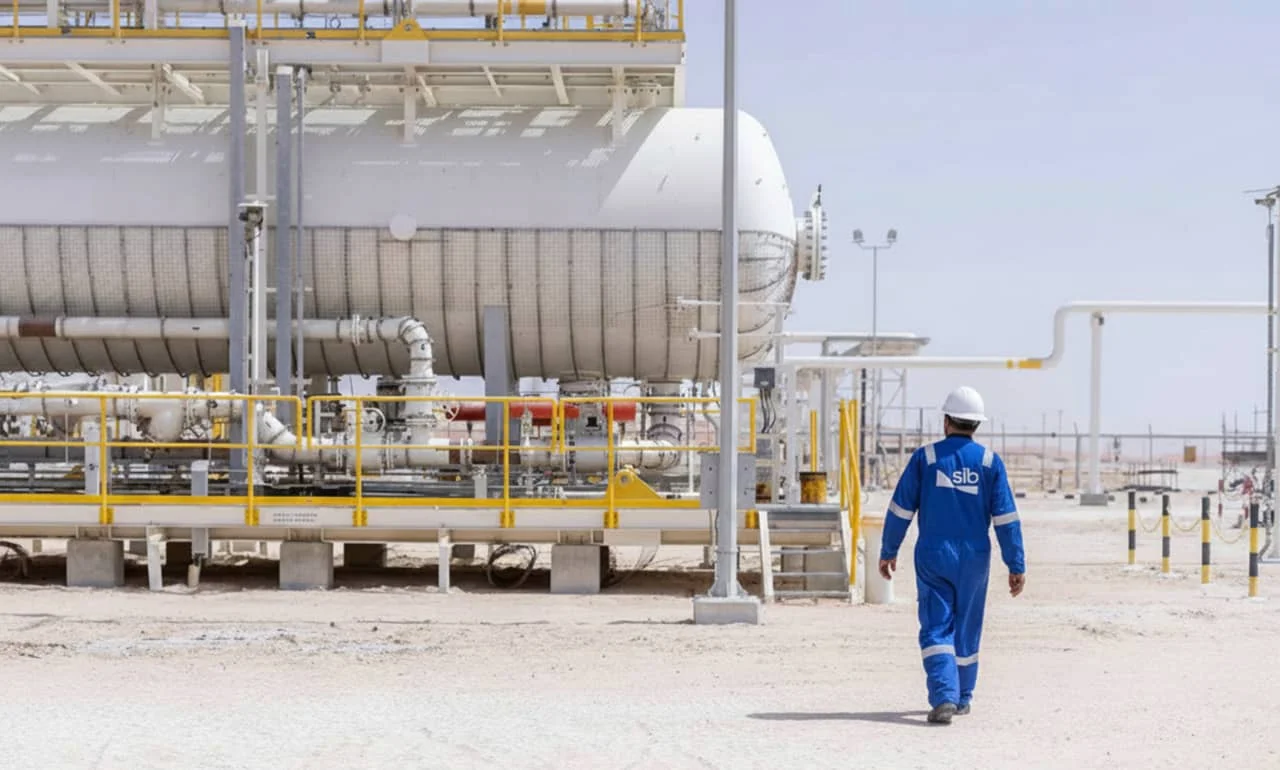
As the conflict between the United States, Israel, and Iran stretches into its fifth month, the traditional energy sector is undergoing a quiet but profound transformation. SLB, formerly known as Schlumberger and the world’s largest oilfield services company, has begun aggressively pivoting its capital into AI data centers. This strategic shift is not merely a play for technological relevance; it is a calculated exit from the geographic volatility of the Middle East. By capitalizing on the global AI boom, these firms are building a revenue buffer that remains insulated from the physical disruptions of the Strait of Hormuz and the Red Sea.
This move highlights a growing trend of corporate de-risking. For decades, the Middle East was the undisputed crown jewel of energy investments, but the current "short excursion"—as President Trump initially termed the conflict—has proven to be a persistent drain on operations. The transition to AI infrastructure allows these giants to leverage their expertise in power management and large-scale cooling systems—essential for both refineries and massive server farms—without the constant threat of drone strikes or regional blockades.
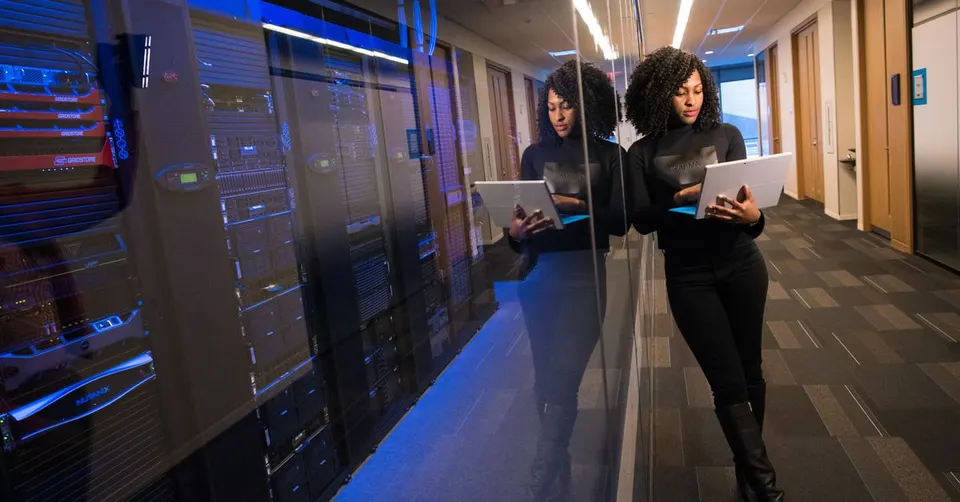
For the global economy, this signifies that the 'energy transition' is no longer just about renewables, but about digital resilience. When the backbone of the oil industry begins moving its chips to the AI table, it suggests a long-term bearish outlook on regional stability. Investors are watching closely to see if other service providers follow suit, effectively moving the 'center of gravity' for energy-related profits from the Persian Gulf to the tech hubs of the Western hemisphere.
The 6% Yield Ghost: Why Global Markets are Shaking
While corporate giants pivot, the financial markets are staring down a different kind of monster: the 30-year U.S. Treasury yield. Analysts are warning that the stock market is completely unprepared for the possibility of yields hitting the 6% mark. Such a spike would fundamentally rewrite the rules of valuation, making high-growth tech stocks far less attractive and deepening the losses for bond funds that have already been battered by the inflationary environment of 2026. This 'bond shock' is creating a sense of paralysis among institutional investors who had hoped for a stabilizing trend by mid-year.
In the local Iranian market, we are seeing a reflection of this global uncertainty. The USD/IRR exchange rate moved from 193,500 down to 192,200, a slight decrease of 0.7% over the last 24 hours. Similarly, Gold 18k/gram saw a more pronounced drop, falling from 18,975,945 to 18,687,381 (-1.5%). These movements suggest that while the 'war drums' are loud, the immediate liquidity in the Tehran market is tightening, perhaps as investors move into more liquid assets or brace for a broader global correction driven by U.S. interest rate fears.
For the average saver, this environment means that 'safety' is a moving target. Gold, traditionally the ultimate hedge, is feeling the pressure of high global yields, which increase the opportunity cost of holding non-yielding assets. If U.S. yields continue their climb toward 6%, we could see further downward pressure on gold prices globally, even if regional tensions remain at a boiling point. The paradox of 2026 is that while the world feels more dangerous, the traditional 'safe havens' are being disrupted by the sheer cost of money.
Information Warfare: The Battle Over Satellite Imagery and Strike Footage
Geopolitics has entered a new phase of information management. Recent reports indicate that Gulf states, including Jordan, have arrested over 1,000 individuals for attempting to document or share footage of Iranian strikes. These governments are working tirelessly to maintain an official narrative that minimizes the impact of these attacks, aiming to prevent public panic and maintain a facade of regional stability. This domestic suppression is being mirrored internationally; the European Union has recently granted a U.S. request to restrict satellite imagery from the Copernicus system over the Iran war region, effectively creating a 'digital fog of war.'
This blackout serves multiple strategic purposes. For the U.S. and its allies, it prevents the Iranian government from using public domain imagery for battle damage assessment. For the Gulf monarchies, it prevents the realization that their sophisticated air defense systems—some of which have been breached by Iranian strikes using tactics learned from the Russian-Ukrainian theater—might not be as impenetrable as advertised. The death of Japanese militant Kozo Okamoto at 78 in Lebanon this week serves as a reminder of an older era of conflict, but today’s war is fought with algorithms, satellite delays, and the silencing of smartphone cameras.

What this means for the observer is that 'ground truth' is becoming harder to find. When state actors collaborate with satellite providers and tech firms to delay or distort reality, the market’s ability to price risk becomes compromised. This lack of transparency is one reason why oil prices, despite the massive shocks, have not yet reached the stratospheric levels some economists predicted. The world is flying blind through one of the most significant geopolitical crises of the decade, and the 'missing images' are perhaps the most important story of all.
Frequently Asked Questions
Why is a company like SLB moving into AI data centers?
How does a 6% Treasury yield affect Iranian investors?
Why are satellite images of the Iran conflict being restricted?
Understanding the 6% US Treasury Yield and Its Ripple Effects on Global Markets
The US Treasury yield is the return investors demand for holding government debt, and a 6% yield on the 10‑year note is historically high. When the yield climbs, it signals that investors expect higher inflation or tighter monetary policy, prompting the Federal Reserve to raise interest rates. This benchmark influences the cost of borrowing across the economy, from mortgages to corporate bonds, and serves as a reference point for virtually all other fixed‑income securities.
Higher Treasury yields push up the cost of capital for companies, especially capital‑intensive sectors like energy. When energy giants such as Schlumberger consider massive AI‑driven data‑center projects, the financing terms they can secure are directly tied to the prevailing yield curve. A 6% benchmark means higher coupon payments on any new debt, which can squeeze profit margins unless offset by higher productivity gains from AI.
The ripple effects extend to currencies and commodities. A rising US yield typically strengthens the dollar, because foreign investors shift funds into higher‑yielding US assets. A stronger dollar depresses the price of gold, which is priced in dollars, and can also affect the USD/IRR exchange rate that emerging markets monitor closely. In regions fraught with geopolitical risk—like the Middle East—these dynamics become even more pronounced, as investors seek safe‑haven assets and adjust exposure to oil‑dependent economies.
Finally, the 6% yield environment shapes monetary policy decisions worldwide. Central banks in Gulf states and elsewhere watch US Treasury movements to calibrate their own rates, influencing everything from consumer loans to sovereign wealth fund allocations. Understanding this single figure helps investors anticipate shifts in bond markets, currency valuations, and even the strategic moves of energy corporations pivoting toward AI infrastructure.