
Europe Battles Record Wildfires as Tehran Markets Retreat; Iran Mourns Comedian Akbar Abdi
بحران آتشسوزی در قلب اروپا و عقبنشینی قیمتها در بازار تهران؛ وداع با اکبر عبدی
Firefighters in France and Spain face exhaustion as massive blazes displace 200,000 people. Meanwhile, Tehran's markets see a cooling trend with USD and Gold prices dropping significantly as the nation mourns the passing of a cultural icon.
At time of publishing
USD
190,300
Toman
Gold 18K
18.21M
Toman / gram
Bitcoin
$63,944
US Dollar
Tether
192,000
Toman
Fatigue and Fire: Europe’s Summer Crisis Deepens
Firefighting crews across southwestern France and central Spain are reaching a breaking point as they battle some of the most virulent forest fires in recent history. In the regions surrounding Bordeaux and Madrid, more than 200,000 residents have been forced to evacuate their homes as flames, fueled by record-breaking temperatures and prolonged drought, continue to spread out of control. Authorities in both nations admitted that the speed and intensity of these blazes caught emergency services off guard, making traditional containment strategies nearly impossible to execute safely.
The situation has become a stark reminder of the accelerating impact of climate change on European infrastructure. Firefighters in Spain have reported that the fires are moving too fast to be tackled head-on, forcing a shift toward defensive operations to protect critical infrastructure rather than trying to extinguish the main fronts. As the heatwave persists, the physical and mental exhaustion of the first responders is becoming a primary concern for the French and Spanish governments, who are now calling for increased regional cooperation and resources from the European Union to manage the ongoing catastrophe.

Tehran Markets: A Sharp Correction in Gold and Currency
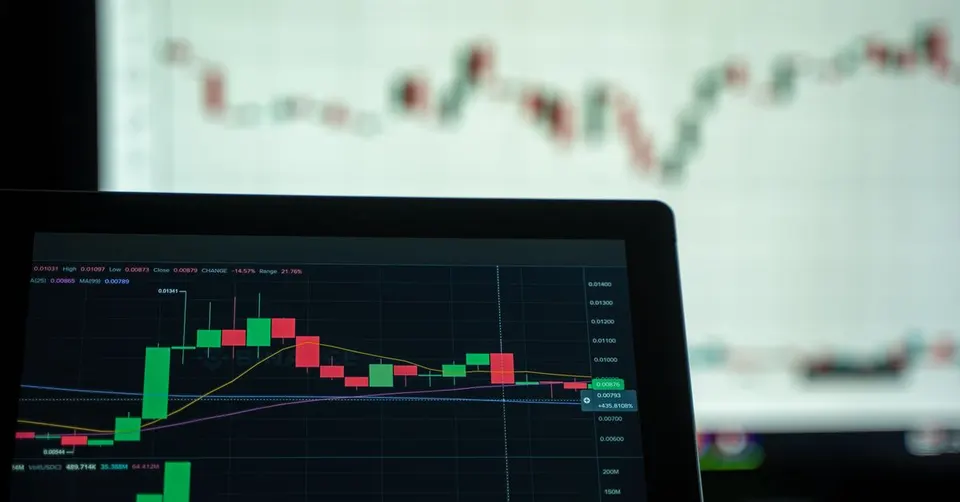
Domestic markets in Iran have experienced a notable downward shift over the last 24 hours, providing a brief reprieve for those concerned about runaway inflation. The US Dollar (USD) moved from 192,200 to 190,300 Toman, marking a decrease of 1.0% in its selling price. This cooling in the currency market was mirrored by an even sharper decline in precious metals. Gold 18k per gram fell from 18,687,381 to 18,214,137 Toman, a significant -2.5% drop that reflects both local sentiment and a stabilization in global gold prices, which currently sit at approximately $4,053.70 per ounce.
The coin market also saw substantial losses as speculators pulled back. The Emami coin dropped from 188,500,000 to 184,000,000 Toman, a 2.4% decrease that suggests a temporary cooling of the speculative fever that has dominated the Tehran bazaar in recent weeks. Analysts suggest that this correction may be due to a combination of reduced regional tensions in the immediate short-term and a technical adjustment after gold reached historic highs. However, with the USD buy rate still hovering near 189,174 Toman, the market remains on high alert for any sudden geopolitical shifts that could reverse these gains.
Iran Mourns the Loss of Legendary Comedian Akbar Abdi
The Iranian cultural landscape is in mourning following the announcement of the death of Akbar Abdi, one of the most celebrated and versatile actors in the country’s history. Known for his transformative roles in both cinema and television, Abdi was a household name whose career spanned decades, earning him the title of the "man with a thousand faces" in Iranian media. His passing has triggered a wave of tributes from across the social and political spectrum, highlighting his unique ability to use comedy as a tool for social commentary during some of Iran's most challenging periods.
Iranian state media reported that top officials, including President Masoud Pezeshkian and Foreign Minister Abbas Araghchi, issued formal statements of condolence to the Abdi family and the nation's artistic community. While these official tributes seek to align the government with a popular public figure, for many Iranians, Abdi represented a rare bridge between the pre-revolutionary and post-revolutionary eras of entertainment. His death marks the end of an era for Iranian cinema, leaving a void in a cultural scene that has increasingly struggled with censorship and the loss of its veteran icons.
Diplomatic Friction: Tehran Slams EU Human Rights Criticism
Tensions between Tehran and Brussels have flared once again as the Iranian Foreign Ministry lashed out at recent comments made by European Commission Vice-President Kaja Kallas. Foreign Ministry spokesperson Esmaeil Baqaei described the EU’s expressed concerns regarding human rights in Iran as the "purest form of hypocrisy." The dispute centers on the EU's ongoing criticism of Iran's domestic policies, which Baqaei claimed are a distraction from the European Union's own internal issues and its foreign policy record in the Middle East.
This diplomatic spat comes at a sensitive time as both parties navigate stalled nuclear negotiations and regional security concerns. By framing European criticism as hypocritical, the Iranian government continues its long-standing strategy of deflecting international scrutiny by pointing to the West's own shortcomings. However, this rhetorical escalation often serves to further isolate the Iranian economy, as such exchanges rarely lead to the lifting of sanctions or the improvement of trade relations. For the average Iranian citizen, these high-level verbal battles often translate into continued economic pressure and limited diplomatic mobility on the global stage.

Corporate Delays: The Paramount and WBD Merger Stalls
In the world of global media and technology, the highly anticipated merger between Paramount and Warner Bros. Discovery (WBD) has hit a significant legal roadblock. A lawsuit led by several US states has successfully delayed the merger for months, with the New York Attorney General hailing the pause as a victory for market competition. The delay is intended to allow for a full trial to determine if the consolidation of these two media giants would create a monopoly that harms consumers and limits content diversity.
For the tech and entertainment sectors, this delay signifies a growing appetite among regulators to challenge the "bigger is better" mantra of the streaming era. As these companies struggle to compete with platforms like Netflix and YouTube, their ability to merge and cut costs is seen as vital for survival. However, the legal pushback suggests that the era of easy mega-mergers may be over. This development is being closely watched by international markets, as the outcome will likely set a precedent for how digital media assets are governed and consolidated in the coming years.
Watch
France : Firefighters face fatigue after days of relentless fighting • FRANCE 24 English
FRANCE 24 English
Frequently Asked Questions
Why are the wildfires in Europe so difficult to control in 2026?
What caused the recent drop in Tehran's gold and currency prices?
Who was Akbar Abdi and why is his death significant for Iranians?
Why is the Paramount and Warner Bros. Discovery merger being delayed?
Understanding Currency Depreciation and Its Market Impact
Currency depreciation occurs when a currency loses value relative to one or more other foreign currencies. This means that it takes more of the depreciating currency to buy the same amount of a foreign currency, or equivalently, foreign goods and services become more expensive. It's a common economic phenomenon influenced by a variety of factors, including inflation rates, interest rate differentials, political instability, economic performance, and trade balances. For instance, if a country experiences high inflation compared to its trading partners, its currency may depreciate as its purchasing power erodes.
The consequences of currency depreciation are far-reaching, significantly impacting both domestic markets and international trade. Domestically, a weaker currency makes imported goods, from raw materials to consumer products, more expensive. This directly contributes to inflation within the country, as businesses pass on higher import costs to consumers. As the cost of living rises, the purchasing power of citizens diminishes, leading to a decline in real wages and potentially reducing consumer spending and overall economic activity, causing markets to retreat.
In times of significant currency depreciation and economic uncertainty, investors and ordinary citizens often seek to protect their wealth by converting local currency into more stable assets. This commonly includes foreign currencies like the US dollar, or tangible assets such as gold, which is perceived as a universal store of value. This flight to "safe haven" assets can further exacerbate the depreciation of the local currency as demand for it falls, creating a self-reinforcing cycle.
Internationally, a depreciating currency can make a country's exports cheaper and more competitive in global markets, potentially boosting export volumes. However, this benefit can be offset if the country relies heavily on imported components for its exports, as the cost of these inputs rises. Moreover, it makes foreign debt denominated in stronger currencies more expensive to repay, posing challenges for governments and businesses with international borrowings.
Understanding currency depreciation is crucial for interpreting market movements, especially in economies facing external pressures or internal instability. The retreat of markets, fluctuations in gold prices, and the exchange rate of local currency against major global currencies like the US dollar are all direct indicators and consequences of these underlying economic dynamics, providing a snapshot of a nation's economic health and its citizens' financial anxieties.