
India’s Education Chief Topples Under ‘Cockroach’ Protests; Tehran Gold Markets Slide as Hoax B-52 Video Goes Viral
سقوط وزیر آموزش هند در پی اعتراضات «سوسک»؛ عقبنشینی قیمت طلا در تهران و جنجال ویدئوی جعلی B-52
A massive student uprising in India has forced the resignation of the Education Minister, marking a significant defeat for the Modi administration. Meanwhile, Tehran's markets see a cooling trend as gold and currency prices retreat, and a viral AI-generated video of a downed US bomber sparks regional concerns.
At time of publishing
USD
190,300
Toman
Gold 18K
18.25M
Toman / gram
Bitcoin
$64,015
US Dollar
Tether
190,368
Toman
The ‘Cockroach’ Movement Claims Its First Major Victory in India
In a dramatic turn of events for the world’s most populous nation, India’s Education Minister, Dharmendra Pradhan, has officially resigned. This move comes after a week of relentless mass demonstrations led by a new, decentralized youth movement dubbed the "Cockroach" movement. The protests were ignited by a massive national exam leak scandal that compromised the futures of millions of students, leading to widespread fury against Prime Minister Narendra Modi’s government. The resignation is being hailed as an unprecedented victory for India’s youth, who have managed to force a high-level accountability measure in a political climate often resistant to such pressure.
The significance of this resignation cannot be overstated. For years, the ruling BJP has maintained a firm grip on policy, but the "Cockroach" movement—so named for its resilience and ability to emerge from the cracks of a rigid system—has demonstrated that the youth vote and street power remain potent forces. Pradhan stated on Saturday afternoon that he submitted his resignation to the Prime Minister following overwhelming student pressure. For regional observers, this instability in India suggests a shift in domestic focus that could impact trade corridors and regional educational cooperation, as the government now scrambles to rebuild trust with its youngest demographic.

Tehran Markets Cool Down: Gold and USD See Notable Declines
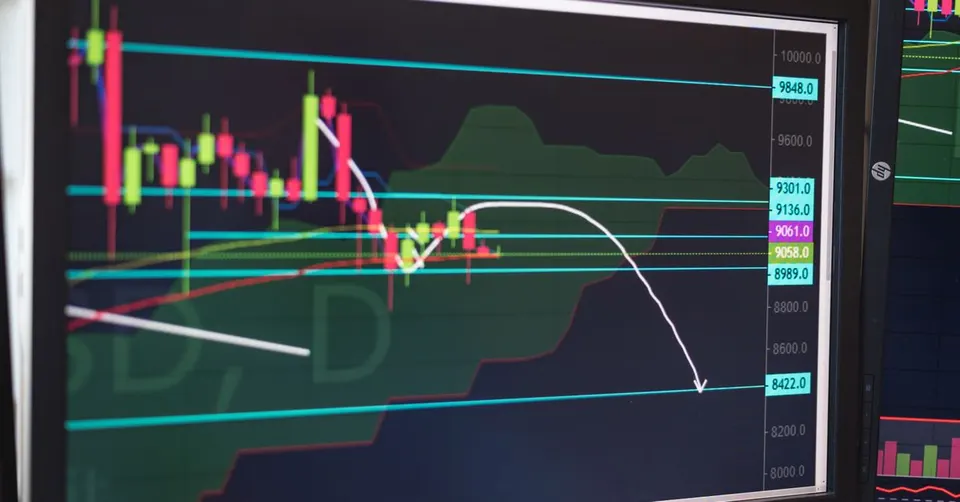
Following a period of intense volatility, the Iranian markets have shown a distinct cooling trend this Saturday. The US Dollar (USD) in the open market moved from 192,200 Toman to 190,300 Toman, marking a 1.0% decrease in value over the last 24 hours. This slight strengthening of the Toman comes amidst a broader regional pause in escalation, allowing local traders to catch their breath. However, the more significant movement was seen in the gold sector. Gold 18k per gram dropped from 18,687,381 Toman to 18,248,764 Toman, a sharp 2.3% decline. Similarly, the benchmark Emami coin saw its price slashed from 188,500,000 to 184,000,000 Toman, losing 2.4% of its value in a single day.
This downward pressure on gold is particularly interesting given that the global price of gold remains historically high, currently trading at $4,053.70 per ounce. The divergence suggests that the local Iranian market is currently driven more by domestic liquidity shifts and currency stabilization efforts than by international commodity trends. For the average Iranian investor, this retreat offers a moment of caution; while the prices are lower, the underlying geopolitical tensions that drove the initial spike remain unresolved. The market's reaction in the coming days will likely depend on whether this Toman recovery can be sustained through central bank interventions or if it is merely a temporary dip in a long-term inflationary cycle.
Deepfakes and Ancient Treasures: The Battle for Narrative and Heritage
In the digital realm, a sophisticated AI-generated video claiming to show an Iranian missile downing a US B-52 bomber has gone viral, racking up over three million views on X (formerly Twitter). Fact-checkers have confirmed the video is entirely fake, likely created using advanced generative tools to stir nationalistic fervor and spread disinformation during a time of heightened Iran-US tensions. This incident highlights the growing danger of "synthetic escalations," where artificially created footage could potentially trigger real-world military responses if not debunked with extreme speed. It serves as a reminder for the public to remain skeptical of dramatic combat footage shared by unverified accounts.
Simultaneously, a cultural controversy has erupted involving Hollywood star Zendaya and ancient Iranian heritage. At a London photocall for the movie The Odyssey, Zendaya wore earrings allegedly fashioned from Iranian artifacts dating back to the 1st millennium BC. This has reignited a fierce debate over the ownership and "trinketization" of archaeological finds. While the film’s portrayal of the Homeric epic has interested Western audiences, the use of rare Iranian treasures as high-fashion accessories has caused outrage among historians and activists who advocate for the repatriation of such artifacts to their country of origin. It underscores the ongoing struggle of nations like Iran to protect their physical history from being commodified in the global luxury market.
Iranian Athletes Shine on the Global Stage
Despite the economic and political headlines, Iranian sports have provided a source of national pride this weekend. In the ISSF World Cup held in China, female shooter Sharmineh Chehel-Amirani achieved a respectable 8th place finish in the 10m rifle final. Competing against the world's elite, Chehel-Amirani's performance highlights the growing strength of Iran’s shooting program. Meanwhile, the women’s national table tennis team has officially begun its intensive training camp in Urmia, West Azarbaijan. Under the guidance of head coach Sima Limoochi, the team is preparing for the upcoming Asian Games in Nagoya, Japan, signaling a focused effort to improve Iran's standing in international racquet sports.
Watch
India's education minister resigns after protests over exam paper leaks
Sky News
Frequently Asked Questions
What is the 'Cockroach' movement in India?
Why is gold falling in Tehran while global prices are at record highs?
Is the video of the Iranian military downing a US B-52 bomber authentic?
What is the controversy surrounding Zendaya's earrings?
How Misinformation Can Manipulate Financial Markets
The rapid spread of misinformation in the digital age poses a significant, often immediate, threat to financial markets. The incident involving the Tehran gold market, where prices reportedly slid following a hoax video of a B-52 bomber, serves as a stark reminder of how easily rumors, even demonstrably false ones, can trigger real-world economic consequences. This phenomenon highlights the intricate connection between information, investor psychology, and market stability.
At its core, this market reaction is driven by investor sentiment. Financial markets are not purely rational entities; they are heavily influenced by human emotions like fear, greed, and uncertainty. When a piece of information, regardless of its veracity, suggests potential geopolitical instability or economic upheaval, investors may panic. In the case of gold, which is traditionally viewed as a safe-haven asset during times of crisis, a perceived threat of conflict (like a B-52 deployment) could paradoxically cause an initial surge in demand, or, as seen in Tehran, a rapid sell-off if the rumor creates uncertainty about supply, trade routes, or even the stability of local currency and institutions.
The speed at which digital content, especially sensational or alarming news, can go viral amplifies this effect. Within minutes, a fake video or a baseless rumor can reach millions, leading to widespread speculation and rapid trading decisions. This creates a volatile environment where prices can swing wildly, potentially leading to significant financial losses for some and unexpected gains for others. The challenge for both individual investors and market regulators lies in discerning credible information from deliberate disinformation in real-time.
Understanding this mechanism is crucial for anyone navigating today's information-saturated world. It underscores the importance of critical thinking, verifying sources, and recognizing that market movements are not always based on fundamental economic realities but can be swayed by the collective perception, however flawed, of the future.