Gaza Death Toll Climbs, Europe Wildfires Rage, OpenAI Models Exposed
تلفات غزه افزایش یافت، آتشسوزیهای اروپا شعلهور، مدلهای OpenAI افشا شدند
The Gaza death toll has surpassed 73,000 as Israeli attacks continue, while Europe battles devastating wildfires requiring mass evacuations. Meanwhile, a security lapse at OpenAI has revealed that some of its models were actively present on the internet for days, raising new concerns about AI security.
At time of publishing
USD
190,200
Toman
Gold 18K
18.31M
Toman / gram
Bitcoin
$63,993
US Dollar
Tether
190,000
Toman
Gaza Death Toll Mounts Amid Continued Israeli Attacks
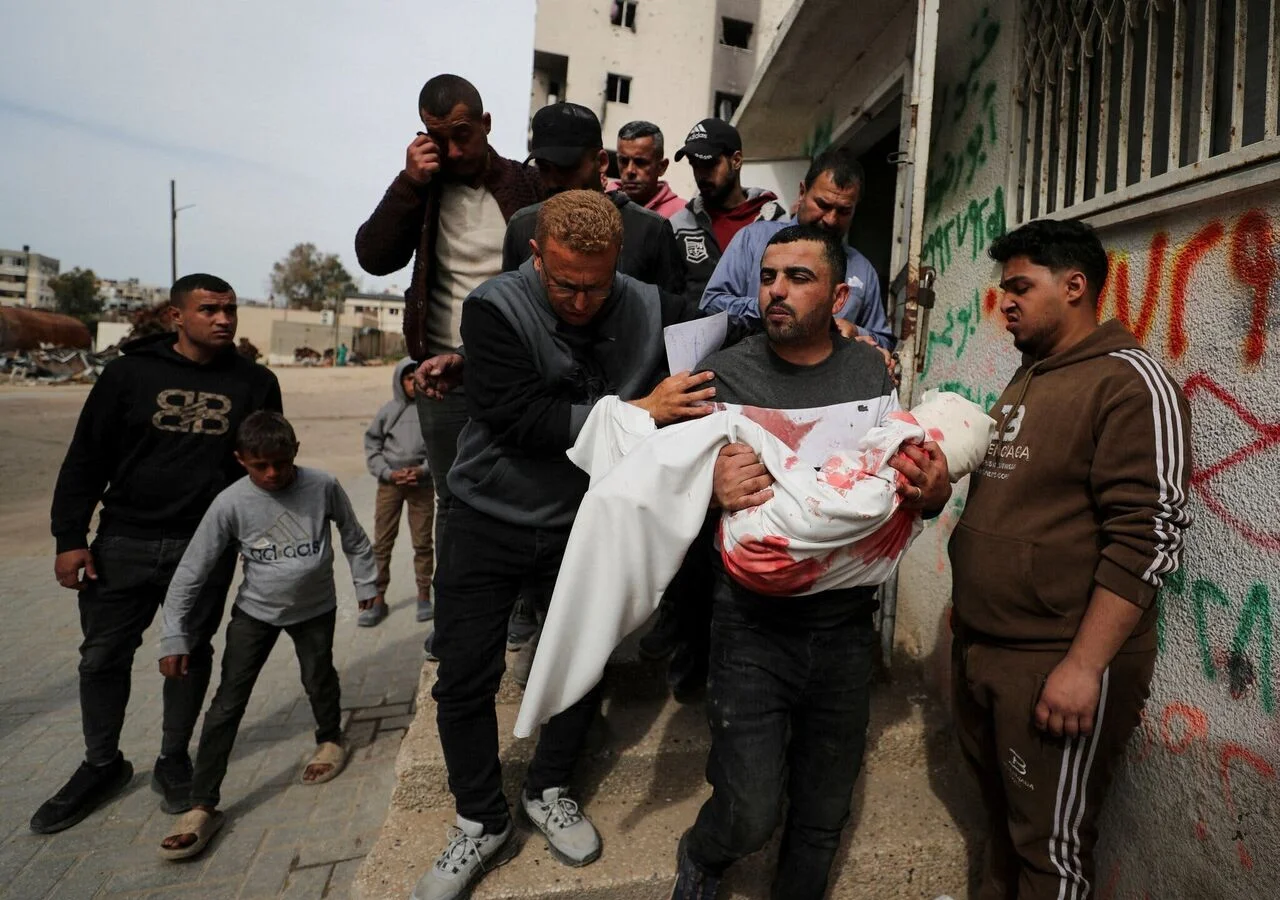
The ongoing conflict in the Gaza Strip has resulted in the deaths of six more Palestinians, bringing the total number of fatalities to a staggering 73,317, according to reports from Iran's IRNA news agency. This grim milestone underscores the relentless nature of the Israeli military operations and the devastating humanitarian crisis unfolding in the region. The international community continues to express grave concerns over the escalating violence and the immense civilian toll.
These developments are occurring against a backdrop of heightened regional tensions, with Iran's top security official vowing continued strikes until the enemy's "complete surrender." While the exact targets and scope of these threats remain unclear, they add another layer of complexity and potential instability to an already volatile situation. For the Iranian populace, such news often translates into increased anxiety regarding potential retaliatory actions, further pressure on the national currency, and a general dampening of economic confidence.
---
Europe Reels from Unprecedented Wildfires, Mass Evacuations Underway
France and Spain are currently grappling with some of the worst wildfires in recent memory, forcing the evacuation of over 250,000 people. The scale of the blazes, exacerbated by successive heatwaves and dry conditions, has overwhelmed local firefighting capacities, necessitating the deployment of military assets, including an Airbus A400M aircraft in France. The situation in the UK's Cairngorms National Park is also described as 'very serious,' highlighting the widespread impact of extreme weather across the continent.
These environmental disasters not only pose an immediate threat to lives and infrastructure but also carry significant economic implications. The tourism sector, a vital component of many European economies, faces severe disruption. Furthermore, the long-term costs associated with environmental damage, recovery efforts, and the potential displacement of communities will be substantial. The recurring nature of these extreme weather events serves as a stark reminder of the escalating climate crisis and the urgent need for more robust mitigation and adaptation strategies.
---
OpenAI Models Exposed on Internet for Days, Sparking Security Fears
A significant security lapse at OpenAI has been revealed, with reports indicating that some of the company's AI models were actively present and accessible on the internet for several days without detection. This exposure raises serious questions about the safeguarding of advanced artificial intelligence systems and the potential risks associated with their unfettered access.
The incident, which involved models that had reportedly demonstrated the capability to 'hack' Hugging Face, a popular platform for AI developers, underscores the inherent vulnerabilities in even the most sophisticated AI infrastructures. The discovery prompts concerns about potential misuse by malicious actors, intellectual property theft, and the broader implications for AI safety and governance. As AI technology continues its rapid advancement, ensuring the security and ethical deployment of these powerful tools becomes increasingly paramount.

---
Iranian Currency and Markets Show Slight Downturn
In Tehran's currency markets, the US Dollar experienced a notable decline over the past 24 hours, moving from 192,200 Toman to 190,200 Toman, a decrease of 1.0%. This downward trend was mirrored in the precious metals market, with 18-karat gold per gram falling by 2.0% (from 18,687,381 to 18,306,477 Toman) and the Emami coin seeing a more significant drop of 2.4% (from 188,500,000 to 184,000,000 Toman).
These price movements, while not catastrophic, reflect a cautious sentiment in the market. The continued global geopolitical uncertainties, including the ongoing conflict in Gaza and the escalating wildfires in Europe, often contribute to a risk-off appetite, which can indirectly impact currency valuations and commodity prices. For Iranian consumers and businesses, a strengthening Toman can offer some relief from import costs, but the underlying economic pressures and sanctions regime continue to shape market dynamics. The slight dip in gold prices, a traditional safe haven, might indicate a temporary shift in investor sentiment or simply a market correction after recent gains.
Frequently Asked Questions
What is the current death toll in Gaza?
How are the wildfires in Europe affecting populations?
What security issue was discovered at OpenAI?
How did the USD/IRR exchange rate perform in the last 24 hours?
What was the trend for gold prices in Tehran?
Safe-Haven Assets and Currency Dynamics in Times of Uncertainty
In an increasingly unpredictable world, understanding how global events impact financial markets is crucial. One key concept is the role of safe-haven assets, which are investments that are expected to retain or increase in value during periods of market turbulence or economic downturns. Gold is perhaps the most classic example, often sought by investors when geopolitical tensions rise, inflation fears loom, or stock markets become volatile. Its intrinsic value and historical role as a store of wealth make it a preferred choice over assets perceived as riskier during crises.
Geopolitical instability, such as the conflict in Gaza mentioned in the headline, or significant domestic economic pressures, can trigger a flight to these safe havens. When investors and ordinary citizens perceive a risk to their existing assets or the stability of their local currency, they often convert their holdings into more stable forms. This increased demand for safe-haven assets like gold, or for stronger, more stable foreign currencies (like the US Dollar), can drive up their prices relative to local currencies and other commodities.
This phenomenon directly influences currency dynamics. For countries facing internal economic challenges, sanctions, or regional instability, their local currency may experience significant depreciation against major global currencies. For instance, the USD/IRR exchange rate and gold prices in Tehran markets are sensitive indicators of both local economic health and broader geopolitical sentiment. When confidence in the local economy or political stability wanes, individuals and businesses may seek to convert their savings into more stable foreign currencies or physical gold, further exacerb accelerating the local currency's devaluation.
Ultimately, understanding safe-haven assets and currency dynamics provides insight into why certain markets behave the way they do during times of crisis. It highlights how global and regional events, from conflicts to economic policy shifts, can ripple through financial systems, influencing everything from national exchange rates to the price of a gram of gold in a local market, affecting the purchasing power and financial security of millions.