
Trump’s $1,000 Child Accounts Roll Out as Tehran Markets Cool; Global Stocks Defy ‘August Slump’
واریز ۱۰۰۰ دلاری به حسابهای «ترامپ» آغاز شد؛ عقبنشینی ۲ درصدی قیمتها در بازار ارز و طلای تهران
The US Treasury begins distributing $1,000 deposits for child accounts under a new Trump-era policy, while Tehran's currency and gold markets see a significant 2% dip. Meanwhile, Wall Street analysts debunk the myth of the August market crash as wildfires ravage Europe.
At time of publishing
USD
189,200
Toman
Gold 18K
18.25M
Toman / gram
Bitcoin
$64,154
US Dollar
Tether
189,554
Toman
The $1,000 'Trump Account' Stimulus Hits the Books
The U.S. Treasury Department confirmed today that approximately $1.5 billion has already been deposited into the newly established "Trump Accounts," a flagship policy providing a $1,000 seed deposit for every American child. This initiative, aimed at addressing long-term wealth inequality and incentivizing early-life savings, is finally hitting the bank accounts of millions of families across the country. While the program was initially met with skepticism regarding its long-term fiscal impact, the Treasury's announcement suggests a smooth technical rollout that could inject significant long-term liquidity into the U.S. retail investment sector.
For global observers and Iranian investors, this move signals a continued reliance on fiscal expansion in the U.S. economy. While $1,000 per child may seem like a modest sum individually, the aggregate effect of billions in new capital entering the system could have inflationary consequences or, conversely, strengthen the U.S. dollar's domestic circulation by anchoring household wealth. It represents a fundamental shift in how the U.S. government interacts with its youngest citizens' financial futures, potentially creating a new generation of "forced" investors who will grow up with a direct stake in the performance of American financial markets.
Tehran Markets Cool: USD and Gold Retreat
Closer to home, the Tehran markets have entered a period of notable cooling during the 19:00 hour. The US Dollar (USD) has retreated from 192,200 to 189,200 Toman, marking a 1.6% decline over the last 24 hours. This downward trend is mirrored in the precious metals sector, where 18k Gold dropped by 2.3%, moving from 18,687,381 to 18,248,764 Toman per gram. The Emami gold coin followed suit, losing 2.1% of its value to settle at 184,500,000 Toman. This correction comes after a period of intense volatility, suggesting a temporary exhaustion of the recent buying spree.
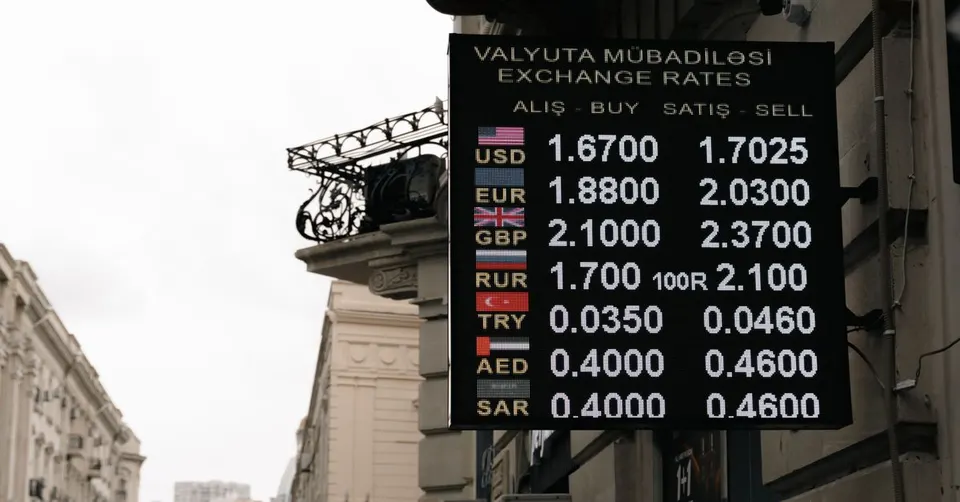
This market correction suggests a temporary easing of the speculative pressure that has gripped the Toman in recent weeks. Analysts point to a combination of regional diplomatic signals and a broader global stabilization in gold prices—which currently sit at $4,053.70 per ounce—as primary drivers. For the average Iranian saver, this dip provides a brief window of relief, though the underlying volatility remains a concern for those looking to hedge against long-term inflation. The disconnect between the high global gold price and the falling local price suggests that the Toman's relative strength today is the primary driver of the local market's retreat.
Debunking the August Slump and the TIPS Opportunity
On Wall Street, a long-standing tradition of fearing an "August slump" is being challenged by new data analysis. Despite the popular narrative that stocks underperform during the late summer months, over 200 years of data indicate that August is typically a month of gains with below-average volatility. This debunking comes at a critical time as investors look for direction amidst shifting interest rate expectations and geopolitical tensions. The persistence of the "August myth" may actually create buying opportunities for contrarian investors who are willing to ignore the historical superstitions of the trading floor.

Adding to this analytical shift, hedge fund manager Bob Elliott has highlighted what he calls a "generational buying opportunity" in Treasury Inflation-Protected Securities (TIPS). Elliott argues that current market conditions guarantee a return of inflation plus 3% per year, a rare level of certainty in an otherwise unpredictable landscape. For institutional and retail investors alike, this represents a powerful hedge. As global energy security fears mount—exemplified by the EU backing off methane rules and recent Yemeni strikes on Saudi Aramco facilities in Jizan and Yanbu—securing returns that outpace inflation has become the top priority for capital preservation.
Climate Crisis Escalates Across Two Continents
The global climate crisis is manifesting in devastating ways across Europe and North America this hour. In France and Spain, over 250,000 people have been forced to evacuate as wildfires rage toward major centers like Bordeaux. The human cost is mounting, with smoke plumes reaching as far as Madrid and prompting severe health warnings. This is not merely an environmental disaster; it is a logistics and insurance nightmare that threatens the stability of the European agricultural and tourism sectors during their peak season.
In the United States, the toll on first responders has become a focal point of national grief. A fourth firefighter, Nathan Matthews, passed away this Friday from injuries sustained during a "burnover" event on the Colorado-Utah border in June. These tragedies underscore the increasing danger of wildland firefighting in an era of extreme heat and prolonged droughts. As governments struggle to contain these blazes, the economic impact of destroyed timber, lost property, and disrupted supply chains continues to weigh on regional growth projections, proving that climate risk is now an inseparable component of macroeconomic analysis.
Frequently Asked Questions
What are the 'Trump Accounts' recently mentioned in the news?
Why did the price of gold and USD drop in Tehran today?
Is the 'August slump' in the stock market real?
How do TIPS protect against inflation for investors?
Understanding Treasury Inflation-Protected Securities (TIPS)
Inflation, the persistent rise in the general price level of goods and services, erodes the purchasing power of money over time. This poses a significant challenge for investors, particularly those saving for long-term goals. To counter this, governments offer specialized financial instruments designed to protect investors from the corrosive effects of inflation. Among the most prominent of these are Treasury Inflation-Protected Securities, commonly known as TIPS.
TIPS are a type of U.S. Treasury bond whose principal value adjusts in response to changes in the Consumer Price Index (CPI), a widely used measure of inflation. When inflation rises, the principal value of a TIPS bond increases, and conversely, it decreases with deflation. While the coupon interest rate remains fixed, the actual interest payment an investor receives will fluctuate because it's paid on the adjusted principal amount. This unique mechanism ensures that the purchasing power of an investor's capital and interest payments remains relatively stable, even during periods of high inflation.
The appeal of TIPS lies in their robust inflation protection, making them a valuable tool for diversifying investment portfolios and safeguarding real returns. Unlike conventional bonds, whose fixed nominal payments lose value during inflationary periods, TIPS offer a guaranteed hedge, ensuring that the real value of your investment is preserved. This characteristic makes them particularly relevant in times of significant government stimulus, such as the "Trump child accounts" or broader "US Treasury stimulus," which can sometimes contribute to inflationary pressures within an economy. For investors concerned about the future value of their savings, especially amidst discussions of fluctuating currency prices like the "USD Toman price," TIPS provide a tangible way to mitigate inflation risk.