
Arbaeen Logistics Scale Up Amid IRGC Warnings; Toman Gains Ground as Hormuz Talks Progress
افزایش آمادگیها برای اربعین همزمان با هشدارهای تند سپاه؛ تقویت تومان در سایه مذاکرات هرمز
Logistics for the Arbaeen pilgrimage are intensifying with new flight schedules from Tabriz, even as the IRGC issues fresh warnings to Israel and the UK. Meanwhile, the Iranian Toman saw a 1% gain following reports of constructive maritime talks with Oman.
At time of publishing
USD
187,000
Toman
Gold 18K
17.95M
Toman / gram
Bitcoin
$64,345
US Dollar
Tether
188,510
Toman
Logistics and Military Posturing: The Arbaeen Context
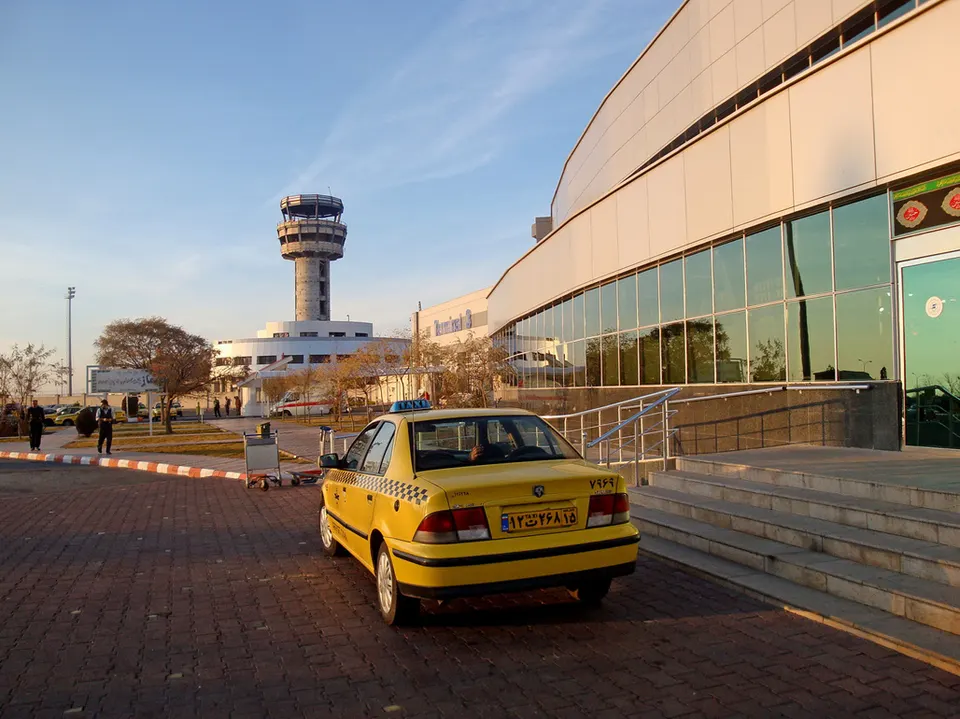
The logistical machinery for the annual Arbaeen pilgrimage is shifting into high gear, with aviation authorities in East Azarbaijan announcing 26 round-trip flights between Tabriz and Najaf. This surge in transport capacity reflects the massive scale of the event, which remains a central pillar of regional movement despite the volatile security landscape. For many Iranians, these flights represent a critical link to the religious heart of the region, though the operational pressure on the domestic fleet remains a point of concern given the ongoing impact of aviation sanctions. The government is attempting to project an image of efficiency, yet the underlying strain on infrastructure is evident as demand far outstrips the available seats on these specialized routes.
Simultaneously, this period of religious mobilization is being shadowed by sharp rhetoric from the Islamic Revolution Guard Corps (IRGC). State media reported that the IRGC has issued a stern warning to Israel and any regional or international powers—specifically naming Britain—that support U.S. military actions against Iran. The IRGC claimed that these nations would be considered "legitimate targets" if hostilities escalate further. Furthermore, the Guard Corps released a list of what it claims are heavily damaged U.S. military assets from recent engagements, a move clearly intended to project domestic strength and deter further Western intervention during the high-traffic pilgrimage season. Such claims, often difficult to verify independently, serve as a potent tool for domestic signaling during times of heightened nationalistic and religious fervor.
Currency Stability and Maritime Diplomacy
In the financial markets, the Iranian Toman showed a rare moment of resilience this Sunday. The USD sell rate moved from 188,900 to 187,000, marking a 1.0% decrease in the dollar's value against the local currency. This cooling of the exchange rate was mirrored in the gold market, where the Emami coin saw a more significant drop of 2.4%, falling from 184,500,000 to 180,000,000 Toman. While market sentiment remains fragile, some analysts point to the recent technical talks between Tehran and Muscat as a potential stabilizing factor. When regional tensions appear to de-escalate even slightly, speculative pressure on the Toman tends to ease as the immediate "risk premium" is recalibrated by local traders.
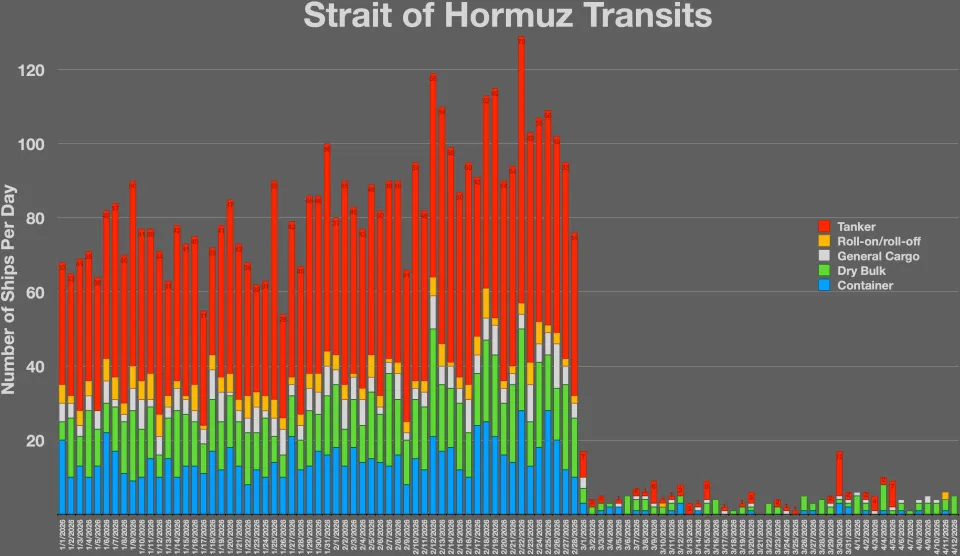
The discussions in Tehran, described by Foreign Ministry spokesperson Esmaeil Baqaei as "forward-looking," focused on the security of navigation in the Strait of Hormuz. Oman has long served as a vital diplomatic conduit between Iran and the West, and any progress in maritime safety talks is viewed by traders as a reduction in the immediate risk of a total blockade or direct naval conflict. For the Iranian economy, which is heavily reliant on the few remaining channels of maritime trade, even the appearance of "constructive" dialogue can trigger short-term speculative selling of the dollar. However, long-term stability remains elusive as the core issues of sanctions and regional military friction remain unresolved.
Global Security Shocks and Heritage Preservation
Beyond the region, a tragic security incident in Berlin has cast a shadow over Europe's summer festivities. German authorities are currently hunting for a 21-year-old suspect, identified as Abdul B., following a van-ramming attack at a Berlin Pride event that left one person dead and 16 others injured. The incident, which also reportedly involved stabbings, underscores the persistent threat of lone-wolf attacks at high-profile public gatherings. This event has already begun to influence the broader European political discourse, potentially hardening stances on security as the continent grapples with internal social tensions and the rise of extremist violence. For global observers, it is a stark reminder that geopolitical instability often manifests in unpredictable domestic terror events.
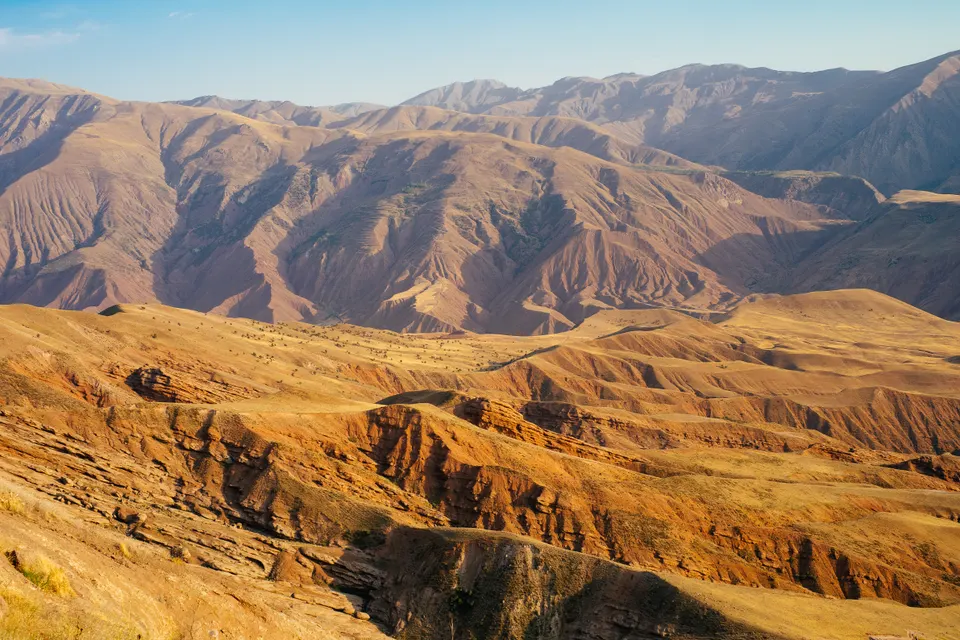
In a stark contrast to the violence in Berlin, the international community also saw significant moves toward the preservation of history this week. UNESCO has officially added the D-Day landing beaches in Normandy to its World Heritage List, recognizing the site's role as a turning point in the fight against fascism. Closer to home, Iran also celebrated a cultural victory as the historic Alamut Castle was inscribed as the country’s 30th UNESCO World Heritage site. These designations serve as a reminder of the enduring value of cultural and historical preservation, even as modern geopolitical conflicts threaten to reshape the maps of the very territories where these monuments stand. For Iran, such recognition provides a rare moment of positive international exposure, highlighting its rich history despite its current diplomatic isolation.
Frequently Asked Questions
Why did the price of USD drop in the Iranian market today?
What is the significance of the IRGC's warning to Britain?
How many special flights are allocated for Arbaeen from Tabriz?
What happened in the Berlin Pride attack?
Geopolitics and Currency: How Stability in Key Trade Routes Shapes National Economies
A nation's currency value is often seen as a barometer of its economic health, but its fluctuations are not solely determined by domestic policies or economic indicators. Geopolitical stability and international relations, particularly concerning strategically vital trade routes, can exert a profound influence. The recent news of the Iranian Toman gaining ground amidst progress in talks regarding the Strait of Hormuz perfectly illustrates this intricate connection.
The Strait of Hormuz is one of the world's most critical maritime chokepoints, through which a significant portion of global seaborne oil and liquefied natural gas (LNG) transits daily. Its strategic importance makes it a focal point for international security and energy markets. Any perceived threat to free passage through the Strait – be it from regional tensions, military posturing, or political disputes – can trigger global oil price volatility, disrupt supply chains, and create immense uncertainty for international trade and investment.
When geopolitical tensions in such a crucial region ease, or when diplomatic talks suggest a path towards greater stability, it can significantly boost investor confidence. Investors and businesses prefer predictability and lower risk. Reduced geopolitical risk in the Strait of Hormuz, for instance, signals a more stable environment for oil exports and imports, potentially leading to increased trade, foreign investment, and a more favorable economic outlook for regional players.
This improved outlook translates directly to the currency market. A more stable geopolitical environment can encourage foreign direct investment (FDI) into the affected country, increase demand for its exports, and reduce the perceived risk of holding its currency. As demand for the local currency rises, or as confidence in the economy grows, its value tends to appreciate against other major currencies, as observed with the Toman's recent gains. This phenomenon underscores that currency strength is not just about interest rates or inflation, but also about the broader geopolitical landscape that underpins economic activity.
Topics
Related Articles