Pezeshkian Targets 'War Crimes' in Infrastructure Legal Battle as Toman Gains Against USD
شکایت بینالمللی پزشکیان علیه «جنایات جنگی» در ترابری؛ عقبنشینی دلار و سکه در بازار تهران
President Pezeshkian seeks international prosecution for attacks on Iranian transport infrastructure while domestic markets see a 0.7% drop in USD prices. Meanwhile, protests in the UK intensify over the use of British airbases for strikes against Iran.
At time of publishing
USD
187,500
Toman
Gold 18K
18.02M
Toman / gram
Bitcoin
$64,460
US Dollar
Tether
187,409
Toman
The Strategic Pivot to Legal Warfare
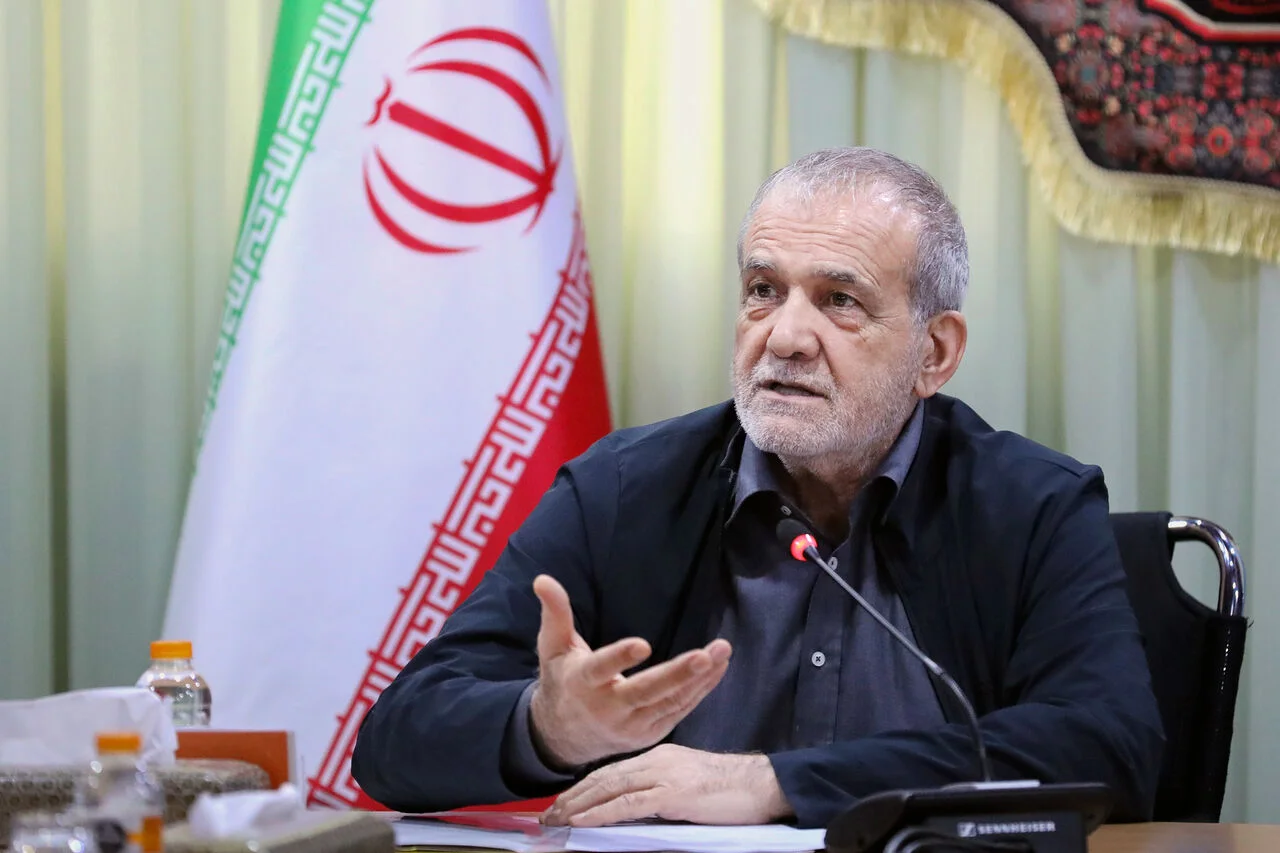
In a significant shift of rhetoric, President Masoud Pezeshkian has formally called for international legal action against what he describes as the systematic destruction of Iran’s transport infrastructure. By labeling US-led strikes on civilian facilities as "war crimes," the administration in Tehran is attempting to move the conflict from a purely kinetic and military exchange into the halls of international justice. Pezeshkian emphasized that the targeting of logistics and civilian transport networks is not a standard tactical move but a direct violation of international humanitarian law designed to cripple the everyday lives of Iranian citizens. This move comes at a time when Iran is struggling to maintain its aging logistics fleet under heavy sanctions. By framing the damage as a war crime, the government hopes to create a diplomatic shield and potentially seek reparations in the long term. For the average Iranian, this strategy is a double-edged sword; while it seeks to defend national assets, it also signals that the infrastructure they rely on for trade and travel remains a primary target in the ongoing regional shadow war. The effectiveness of such legal maneuvers remains to be seen, as international courts often struggle to enforce rulings against major global powers.
Toman Resilience Amid Geopolitical Heat
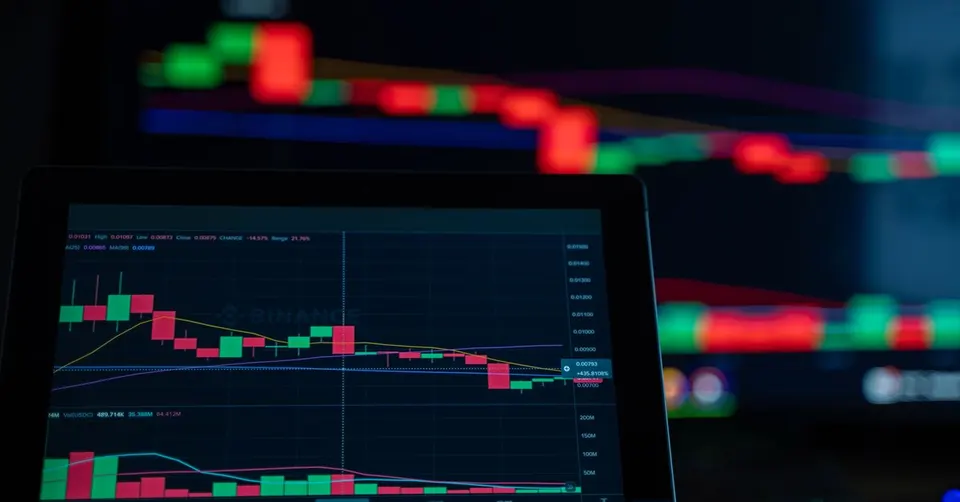
Despite the fiery rhetoric from the presidency and the ongoing environmental crisis in Europe—where wildfires are ravaging France and Spain—the Iranian market has shown a rare moment of cooling. The USD/IRR exchange rate moved from 188,900 down to 187,500, representing a 0.7% decrease in the last 24 hours. This slight appreciation of the Toman is mirrored in the gold market, where the Emami coin saw an even sharper decline, falling from 184,500,000 to 182,000,000 Toman, a 1.4% drop. This suggests that local traders may be pricing in a temporary plateau in regional tensions or reacting to a shift in domestic liquidity management. Interestingly, this domestic dip occurs while global gold prices remain at staggering heights, currently trading at $4,053.70 per ounce. Traditionally, a rise in global gold would pull the Iranian market upward, but the current decoupling suggests that local factors—perhaps the anticipation of new diplomatic channels or the exhaustion of the recent buying spree—are taking precedence. For investors, this 0.7% to 1.4% correction offers a momentary breather, though the underlying volatility of the region ensures that the market remains on a knife-edge.
Western Dissent and the Future of Gear
On the international stage, the pressure is mounting on Western governments to justify their involvement in the Middle East. In the United Kingdom, anti-war protesters have converged on airbases used by US forces, demanding an end to strikes against Iranian territory. This domestic unrest in Britain complicates the geopolitical calculus for the newly formed cabinet of Andy Burnham. As the UK deals with its own internal debates over social mobility and the elitism of its "Oxbridge-heavy" leadership, the public's appetite for a prolonged and expensive conflict with Iran appears to be waning, which could eventually force a strategic recalibration in London. Finally, even as the world grapples with war and inflation, the technology of survival and leisure continues to evolve. Recent trail tests of high-tech sleeping pads from brands like Nemo and Gossamer Gear showcase a trend toward "adventure resilience." In 2026, as outdoor gear becomes increasingly sophisticated, these items are no longer just for hobbyists but are viewed as part of a broader shift toward personal autonomy and preparedness. For Iranians, who have seen a massive surge in domestic nature tourism due to the high cost of international travel, the development of high-performance gear represents a growing market segment that domestic manufacturers are eager to fill through reverse-engineering and local innovation.

Frequently Asked Questions
Why is President Pezeshkian calling infrastructure damage a 'war crime' now?
Why did the price of USD and gold drop in Tehran despite high global gold prices?
What is the significance of the protests at UK airbases?
The Dynamics of Currency Exchange Rates
Currency exchange rates represent the value of one nation's currency in terms of another. For instance, the rate between the Iranian Rial (often quoted in Toman, where 1 Toman = 10 Rials) and the US Dollar indicates how many Rials are needed to purchase one Dollar. These rates are not static; they are dynamic indicators crucial for international trade, investment, and a country's overall economic health. A "gain" by a currency, such as the Toman gaining against the USD, signifies that it takes fewer units of that currency to buy a unit of the foreign currency, effectively increasing its purchasing power on the international market.
Numerous factors influence these fluctuations. Key drivers include interest rate differentials between countries, inflation rates, and the overall economic performance, encompassing metrics like GDP growth, employment figures, and trade balances. Political stability and market sentiment also play significant roles. When a country's economic outlook improves, or its monetary policy becomes more attractive (e.g., higher real interest rates), it can attract foreign investment, increasing demand for its currency and leading to appreciation. Conversely, high inflation or economic stagnation can erode a currency's value.
Geopolitical events and international relations are powerful determinants of currency value. Legal battles, such as accusations of "war crimes" mentioned in the headline, or shifts in a nation's standing on the global stage, can profoundly impact investor confidence. Perceived instability or increased geopolitical risk often leads to capital flight, as investors move their assets to safer havens, thereby depreciating the local currency. Conversely, positive diplomatic developments or a reduction in international tensions can bolster confidence, encouraging investment and strengthening the currency.
In the specific context of Iran, the Rial (Toman) has historically experienced significant volatility, largely due to international sanctions, geopolitical pressures, and domestic economic challenges. Therefore, any reported "gain" against the US Dollar would be a notable development. Such a movement could signal various underlying factors, including shifts in international economic engagement, changes in domestic economic policies, or even short-term speculative market movements driven by news or expectations.
Understanding these complex interactions is vital for everyone, from individual citizens planning purchases to businesses engaged in international trade and policymakers setting economic strategies. Exchange rates directly affect the cost of imports and the competitiveness of exports, influence inflation, and ultimately impact the purchasing power of a nation's citizens, making them a cornerstone of global economic understanding.
Topics
Related Articles