
The One-Company Market: S&P 500's Fragile Boom Amid Europe's Record Wildfires
بازار تکستاره؛ رشد پوشالی بورس آمریکا و تخلیه گسترده اروپا در پی آتشسوزیهای بیسابقه
Wall Street's earnings growth is being carried by a single titan, masking broader economic fragility, while Europe faces its largest peacetime evacuation as wildfires ravage France and Spain.
At time of publishing
USD
186,600
Toman
Gold 18K
17.90M
Toman / gram
Bitcoin
$64,597
US Dollar
Tether
186,184
Toman
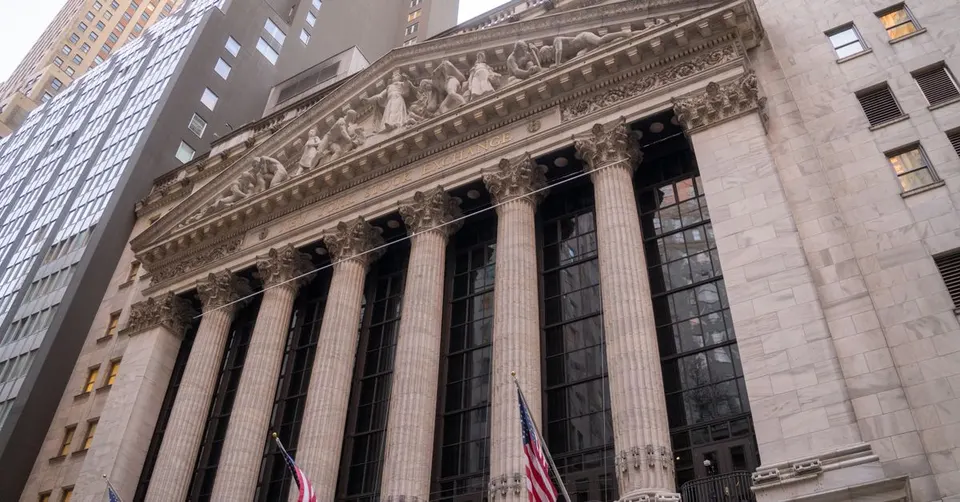
The S&P 500’s Dangerous Dependency
As the second-quarter earnings season reaches its fever pitch, a startling reality has emerged: the perceived health of the American stock market is largely an illusion maintained by a single corporate titan. While the S&P 500 appears to be posting robust growth figures, analysts at MarketWatch have pointed out that without the outsized contributions of this one dominant player—likely an AI-centric semiconductor or cloud giant—the broader index's growth would look remarkably flat. This concentration of power suggests that the "bull market" many investors are celebrating is top-heavy and vulnerable to any single-point failure in the tech supply chain.
For the average investor, this means that diversification into standard index funds may not be the safety net it once was. We are witnessing a market where the 'Magnificent Seven' has effectively become the 'Magnificent One,' creating a precarious environment where a single disappointing quarterly report from one CEO could trigger a systemic retreat. As we move into the busiest week of the earnings season, the disconnect between this high-flying outlier and the struggling 499 other companies in the index highlights a growing gap between financial speculation and the underlying reality of high interest rates and cooling consumer demand.
Europe Ablaze: A Continent in Crisis
Western Europe is currently witnessing one of the largest peacetime civilian evacuations in its modern history. More than 300,000 people have been forced to flee their homes across France and Spain as extreme heat and gale-force winds fuel uncontrollable wildfires. Spanish Prime Minister Pedro Sánchez has warned that "difficult hours lie ahead," as the fire fronts continue to expand despite the efforts of thousands of firefighters. The scale of the disaster is staggering; in France alone, the number of major forest fires recorded this year is nearly five times higher than during the same period in 2025, a clear indicator of the accelerating climate breakdown.
This environmental catastrophe is not just a humanitarian crisis but a significant macroeconomic threat. The destruction of vast swathes of agricultural land and the disruption of tourism—a cornerstone of the Southern European economy—will likely weigh heavily on the Euro in the coming months. As scientists note that Europe is heating at twice the global average rate, the long-term cost of climate adaptation is beginning to manifest in real-time. The immediate impact on energy grids and transportation networks is already being felt, with several regional hubs reporting total shutdowns as infrastructure buckles under the heat.

The Ethical Vacuum in Washington
While the markets grapple with concentration and the planet burns, a familiar debate has resurfaced in the United States regarding the ethical conduct of its lawmakers. Senator Elizabeth Warren has renewed her attack on the persistent loopholes in the proposed House stock trading ban, noting that roughly 48% of Congress members still own and trade individual stocks. Despite years of public outcry, the current legislative framework allows for "blind trusts" that critics argue are anything but blind, allowing those with insider knowledge of upcoming regulations to profit from market movements before the public can react.
This lack of accountability creates a profound sense of cynicism among retail investors. When those tasked with regulating the economy are also active participants in the market, the integrity of the entire financial system is called into question. Warren’s push for a stricter, loophole-free ban aims to restore some semblance of fairness, but the resistance from within the halls of power remains stiff. For global observers, including those in the Iranian market, this serves as a reminder that regulatory capture and "rent-seeking" behavior are not exclusive to emerging economies; they are deeply embedded in the world's largest financial center.
Toman Gains Ground as Gold Hedges Cool
In the local Iranian market, the start of the week has brought a surprising period of relative calm and a strengthening of the national currency. The USD sell rate moved from 188,900 to 186,600 Toman, marking a 1.2% appreciation for the Rial. This shift appears to be driven by a temporary pause in regional tensions and a cooling of the "war premium" that has dominated the market for weeks. As the immediate threat of further escalations subsides—partly due to reported munition shortages on both sides—investors are cautiously rotating out of hard currency and back into more liquid positions.
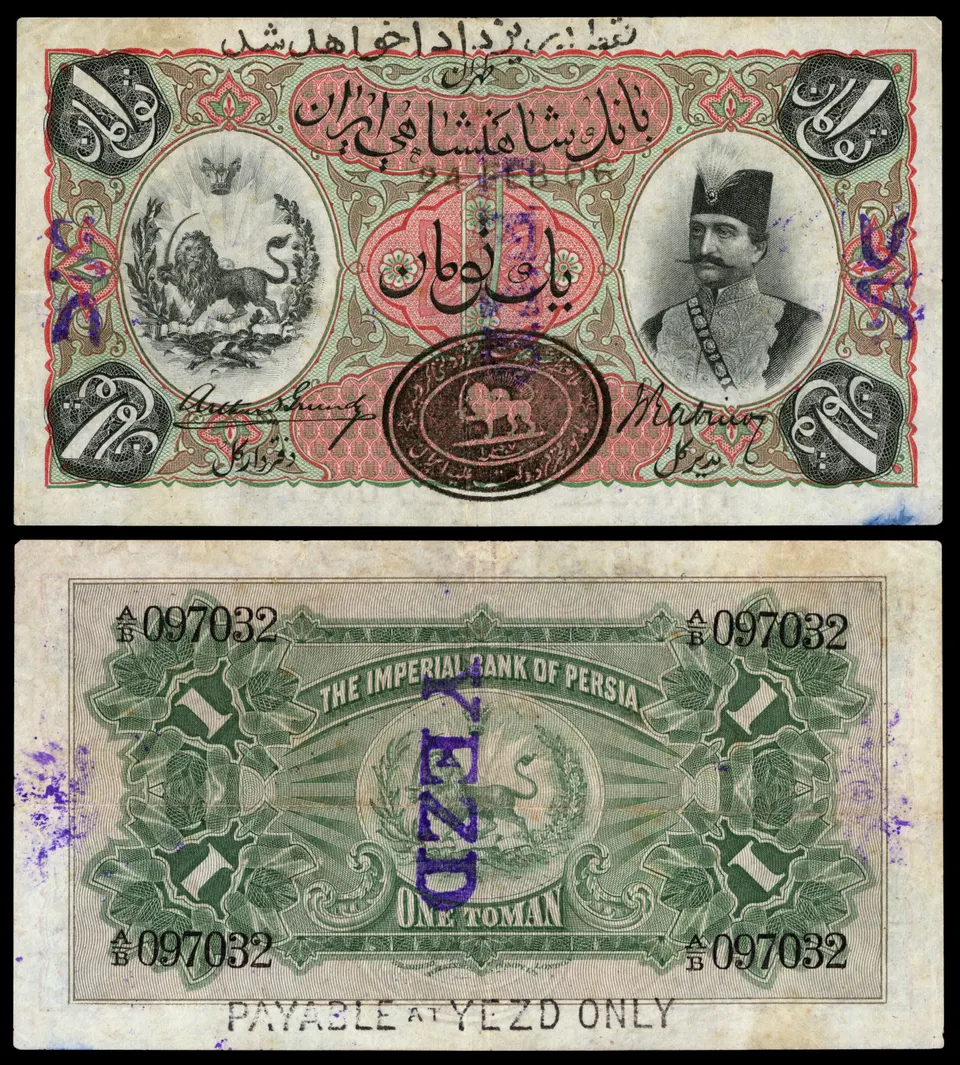
Gold has followed a similar downward trajectory, with 18-karat gold dropping from 18,137,956 to 17,895,563 Toman per gram (-1.3%). The Emami coin also saw a decrease, falling 1.1% to 182,500,000 Toman. While these dips provide a window of opportunity for buyers, the underlying economic fundamentals remain fragile. The drop in gold prices is a direct reflection of reduced domestic anxiety, but with global gold ounces still hovering at a record $4,053.70, any flare-up in geopolitical rhetoric could quickly reverse these gains. For now, the market is breathing a sigh of relief, but it is a breath held in anticipation of the next headline.
Frequently Asked Questions
Why is the S&P 500 growth considered 'bonkers' but fragile?
What is causing the massive evacuations in France and Spain?
Why did the USD/IRR price drop despite global gold prices staying high?
Understanding Market Concentration Risk
Market concentration risk emerges when a significant portion of a market, or a key market index like the S&P 500, is dominated by a small number of large companies. Instead of a broad distribution of influence across many firms, a few titans hold immense sway over the overall performance and direction of the market. This scenario can create what appears to be a robust market rally, but one that is inherently fragile, as its strength is heavily reliant on the continued success of these select few.
The primary concern with high market concentration is the increased systemic risk it introduces. When a handful of companies account for a large percentage of an index's value, their individual performance, whether positive or negative, has an outsized impact on the entire market. This diminishes the traditional benefits of diversification, as even investing in a broad market index might not adequately spread risk if a few companies dominate its composition. For instance, a downturn in one of these dominant firms can disproportionately drag down the entire index, even if other sectors and companies are performing well.
For investors, this means that the health of their portfolio, particularly one tracking a concentrated index, becomes highly sensitive to the fortunes of a select few companies. A "fragile boom," as suggested by the headline, arises because the market's overall upward trajectory is heavily dependent on the sustained growth and profitability of these dominant players. Should these companies face regulatory scrutiny, technological disruption, or a significant economic slowdown, the ripple effect across the concentrated market could be substantial, leading to sharper downturns and increased volatility. Understanding this risk is crucial for assessing true market stability and making informed investment decisions.
Topics
Related Articles