
Berlin Terror Suspect Killed in Shootout; Toman Gains Ground Amid Caspian Tensions and Nvidia's $800 Bull Case
پایان خونین تعقیب و گریز در برلین؛ تداوم پیشروی تومان در میان تنشهای خزر و پیشبینی جنجالی انویدیا
German police have shot dead the suspect in the Berlin Pride terror attack, ending a city-wide manhunt. As geopolitical rhetoric over a Caspian Sea vessel attack heats up, the Iranian Toman surprisingly continues its recovery, while analysts set a massive $800 price target for Nvidia by 2030.
At time of publishing
USD
186,900
Toman
Gold 18K
18.01M
Toman / gram
Bitcoin
$64,646
US Dollar
Tether
187,420
Toman
Berlin Manhunt Ends in Bloodshed: Terror Suspect Neutralized
The intensive manhunt that paralyzed parts of the German capital has come to a violent conclusion. German officials confirmed Sunday evening that Abdul Ballout, a 21-year-old suspect linked to a deadly ramming and knife attack at a Berlin Pride event, was killed in a shootout with police. The confrontation occurred in an allotment garden complex in the Spandau district after tactical units tracked the suspect following a 24-hour search. Authorities have characterized the incident as a likely act of Islamist terrorism, noting the suspect’s deliberate targeting of the crowd with a van before continuing his rampage on foot.
This resolution brings a grim closure to an event that has shaken European security circles. The attack, which involved both a vehicle and a blade, highlights the persistent threat of lone-wolf operations that are difficult for intelligence services to preempt. For the German government, the focus now shifts to investigating potential accomplices and the radicalization path of the young suspect. The incident has already sparked renewed debates over public safety at large-scale events and the efficacy of current surveillance measures in monitoring individuals with extremist leanings.

Caspian Sea Escalation: Tehran Warns of 'Unanswered' Strikes
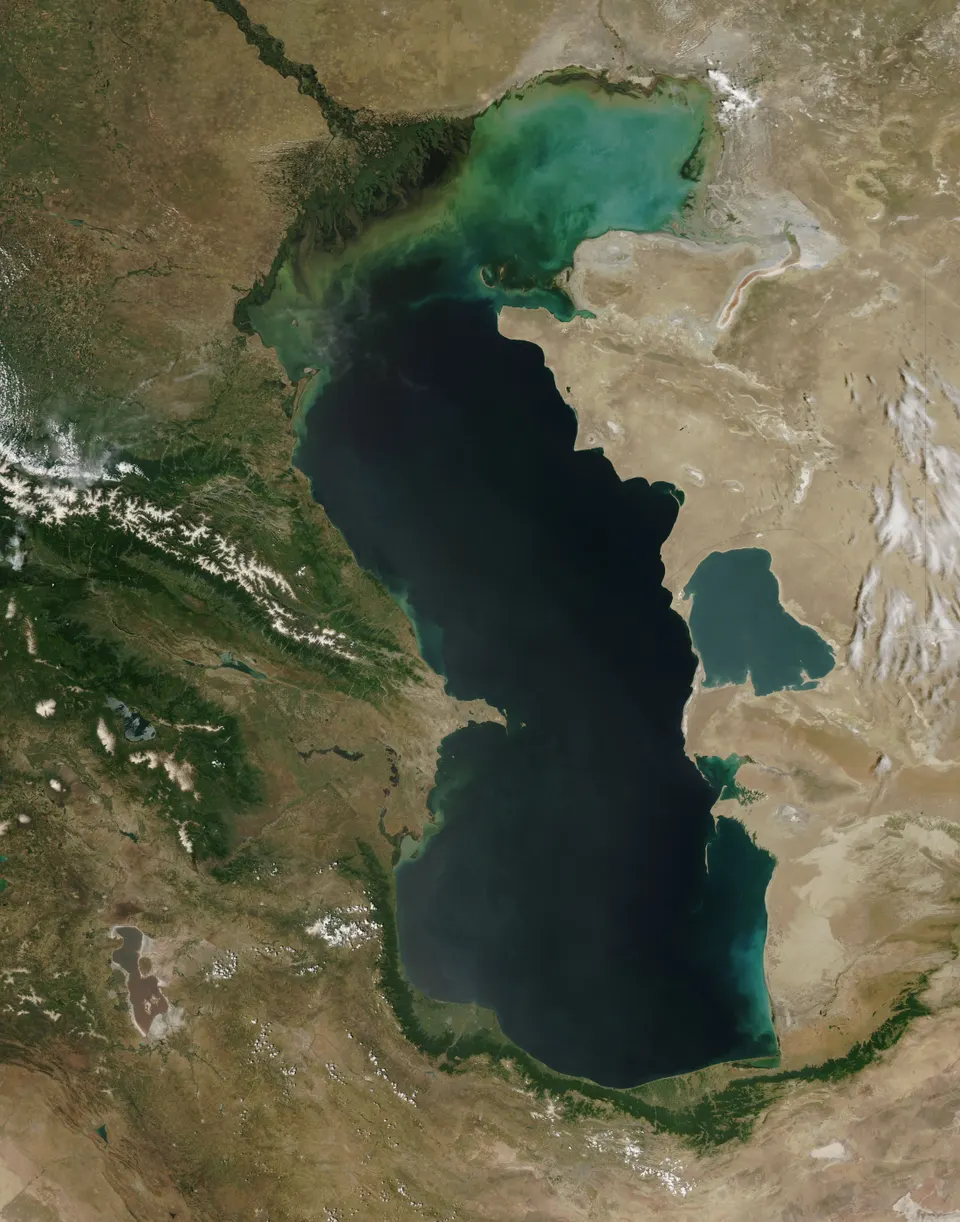
Geopolitical tensions in the Caspian Sea have reached a boiling point following an attack on an Iranian commercial vessel. Foreign Minister Abbas Araghchi stated today that the strike, which Tehran attributes to Ukrainian forces acting under Israeli influence, "cannot go unanswered." Araghchi described the incident as a blatant violation of the UN Charter, framing it as an attempt to drag European nations deeper into a regional conflict. While Iranian state media has been quick to amplify these claims, independent verification of the damage and the exact origin of the strike remains scarce, reflecting the fog of war currently clouding the Caspian corridor.
What this means for the region is a potential expansion of the conflict zone into waters previously considered relatively stable. The Iranian government's rhetoric suggests a shift toward more aggressive maritime posturing, possibly involving the IRGC's naval wings. This escalation occurs as Araghchi maintains close contact with Russian Foreign Minister Sergei Lavrov, suggesting a coordinated diplomatic—and perhaps military—response. For global markets, any disruption in the Caspian, a vital route for energy and regional trade, adds a new layer of risk premium to an already volatile geopolitical landscape.
Market Resilience: Toman Gains as Tech Giants Eye New Peaks
Despite the fiery rhetoric from Tehran’s foreign ministry, the Iranian Toman has shown surprising resilience in the late Sunday session. The USD sell rate moved from 188,900 to 186,900 Toman, marking a 1.1% appreciation for the local currency. This trend was mirrored in the gold market, where the Emami coin dropped from 184,500,000 to 181,500,000 Toman, a 1.6% decrease. This market behavior suggests that traders are pricing in a "war fatigue" scenario, where verbal escalations are seen as a substitute for, rather than a precursor to, large-scale kinetic conflict. The strengthening of the Toman provides a brief window of relief for local importers, though long-term inflationary pressures remain a dominant concern.
In the global tech sector, the narrative is dominated by a bold new prediction for Nvidia. Analysts are now forecasting that the AI chipmaker's stock will hit $800 per share by 2030, driven by the inexorable rise of autonomous agents and the total integration of AI into global infrastructure. While some tech stocks like ServiceNow have struggled this year, Nvidia continues to be viewed as the foundational play for the next decade. For Iranian investors looking at global proxies, this highlights a widening gap between the traditional commodity-based economy and the high-growth silicon economy that is currently reshaping global wealth distribution.
Climate Displacement: Spain’s Wildfire Crisis Deepens
Central Spain is currently facing a humanitarian and environmental catastrophe as wildfires continue to rage out of control. Thousands of residents have been forced to evacuate, with many currently sleeping in cars or makeshift shelters, uncertain if their homes have survived the advancing flames. The scale of the displacement is becoming a significant economic burden for the Spanish government, which is already struggling with the broader implications of record-breaking summer temperatures. This isn't just a local disaster; it is a signal of the increasing "climate cost" that European economies must now factor into their annual budgets.
As the flames advance, the insurance industry and real estate markets in Southern Europe are bracing for a long-term recalibration. The frequency of these "unprecedented" events is making certain regions increasingly uninsurable, leading to a potential migration of capital away from fire-prone areas. For the international community, the Spanish crisis serves as a stark reminder of the physical risks to infrastructure that accompany global warming, transcending political boundaries and affecting everything from tourism revenues to local agricultural stability.
Frequently Asked Questions
Who was the suspect in the Berlin Pride attack?
Why is the Toman strengthening despite military tensions in the Caspian Sea?
Is the $800 price target for Nvidia realistic by 2030?
How does the Caspian Sea vessel attack affect regional trade?
Understanding Currency Exchange Rates: The Forces Behind a Nation's Currency Value
A nation's currency value, often expressed through its exchange rate against other currencies, is a critical indicator of its economic health and plays a profound role in international trade, investment, and daily life. When a headline reports the "Toman gains ground," it refers to the unofficial but widely used unit of the Iranian Rial (IRR) strengthening against foreign currencies, typically the US Dollar. This movement isn't arbitrary; it's the result of a complex interplay of economic, political, and even psychological factors that constantly shift the supply and demand for a currency on global markets.
Several fundamental economic principles dictate currency movements. High interest rates, for instance, can attract foreign investment seeking better returns, increasing demand for the local currency and strengthening it. Conversely, high inflation erodes purchasing power, making a currency less attractive and often leading to depreciation. A country's balance of payments – the difference between its exports and imports – is also crucial. A trade surplus, where exports exceed imports, typically means more foreign currency is flowing into the country, boosting demand for the domestic currency. Economic growth and stability generally foster investor confidence, encouraging capital inflows and currency appreciation.
Beyond pure economics, geopolitical events and political stability wield significant influence. Tensions in a region, such as the "Caspian Tensions" mentioned, can deter foreign investment, lead to capital flight, and weaken a currency as investors seek safer havens. Conversely, a period of perceived stability or positive diplomatic developments can bolster confidence. Government policies, including fiscal spending, monetary policy decisions by central banks, and the imposition or lifting of international sanctions, directly impact a currency's perceived value and its actual trading range. Central banks might also intervene directly in foreign exchange markets to stabilize or influence their currency's value.
Understanding these dynamics is vital for anyone tracking global markets, from individual investors monitoring "USD IRR price" to policymakers navigating international relations. The strengthening of the Toman, as noted in the headline, could be attributed to a combination of factors, perhaps improved oil revenues, shifts in regional geopolitical dynamics, or even domestic policy changes aimed at stabilizing the economy. It underscores that a currency's journey is rarely linear, reflecting the ever-changing landscape of national and international affairs.
Topics
Related Articles