
Regional Escalation: Hezbollah Strikes as US-Saudi Coalition Hits Proxies; Tehran Gold Surges 2.5%
تشدید درگیریهای منطقهای: حمله حزبالله همزمان با عملیات مشترک آمریکا و عربستان؛ جهش ۲.۵ درصدی طلا در تهران
A dangerous new phase of Middle Eastern conflict has emerged as Hezbollah targets Israel and a US-Saudi coalition strikes militias in Iraq. These geopolitical tremors have sent Tehran's gold and dollar markets into a sharp rally, with gold outperforming the greenback.
At time of publishing
USD
193,900
Toman
Gold 18K
18.79M
Toman / gram
Bitcoin
$63,988
US Dollar
Tether
194,577
Toman
Middle East Escalation: Hezbollah Strikes as US-Saudi Coalition Hits Proxies
Hezbollah has deployed explosive drones to target an Israeli military vehicle on a strategic ridge in Southern Lebanon, according to official reports from the Israeli military. This maneuver signals a dangerous intensification of the border conflict, raising immediate fears of a wider war that could engulf multiple regional actors. The strike occurs at a moment of extreme volatility, as Israel maintains its high-intensity military operations against Iran-linked groups, and this latest escalation suggests that the traditional boundaries of the conflict are rapidly eroding.
Simultaneously, the United States and Saudi Arabia have conducted unprecedented joint airstrikes against Iranian-backed militias in Iraq. This public military cooperation between Washington and Riyadh marks a tectonic shift in the regional security landscape, with analysts warning that the Middle East has entered "uncharted territory." At least 20 fighters were reportedly killed in the strikes, which the coalition described as a necessary response to recent attacks on sites in Jordan. This move by Saudi Arabia to openly join US combat operations indicates a hardening stance against regional proxies.
For the Iranian public, these developments are more than distant headlines; they are direct catalysts for economic instability. As the conflict widens, the likelihood of expanded sanctions or direct military confrontation increases, putting immense pressure on the domestic currency and trade routes. The "unpredictable" nature of these joint strikes suggests that the geopolitical rules of engagement are being rewritten, creating a high-risk environment for regional stability and long-term economic planning.
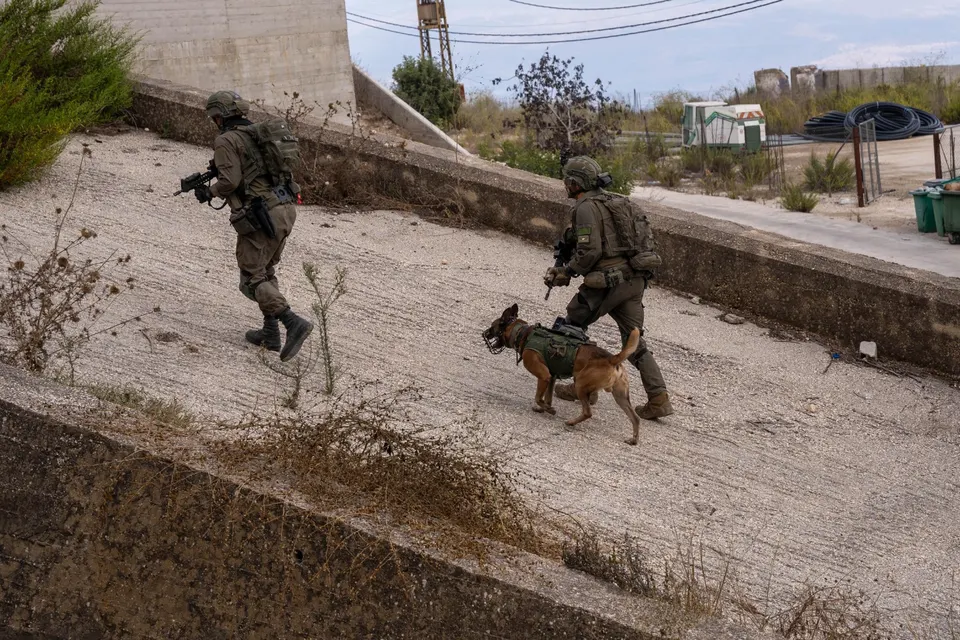
Tehran Markets React: Gold Outpaces Dollar Amid War Fears
The financial response in Tehran has been swift and decisive following the news of the strikes in Lebanon and Iraq. The USD/IRR exchange rate moved from 191,200 to 193,900, representing a 1.4% increase within a 24-hour window. While the dollar's rise is significant, it has been notably overshadowed by the surge in the precious metals market. Gold 18k per gram jumped from 18,336,488 to 18,786,647 Toman (+2.5%), reflecting a classic flight to safety among local investors who fear a prolonged regional crisis.
The Emami gold coin also witnessed a substantial rally, climbing from 184,000,000 to 188,500,000 Toman, a 2.4% increase. This trend indicates that Iranian households and institutional investors are increasingly viewing gold as the ultimate hedge against a potential regional war. With the global gold ounce price holding steady at approximately $4,014.30, the combination of a weakening local currency and high global demand has created a perfect storm for the Tehran gold market, pushing prices to new local highs.
This market behavior suggests that the public is now pricing in a sustained period of escalation. Unlike previous temporary spikes, the current rally is fueled by tangible military shifts and the emergence of a US-Saudi military front. For the average Iranian citizen, this means the cost of living is expected to rise further as currency fluctuations ripple through the supply chain, affecting the price of everything from imported electronics to basic household commodities.
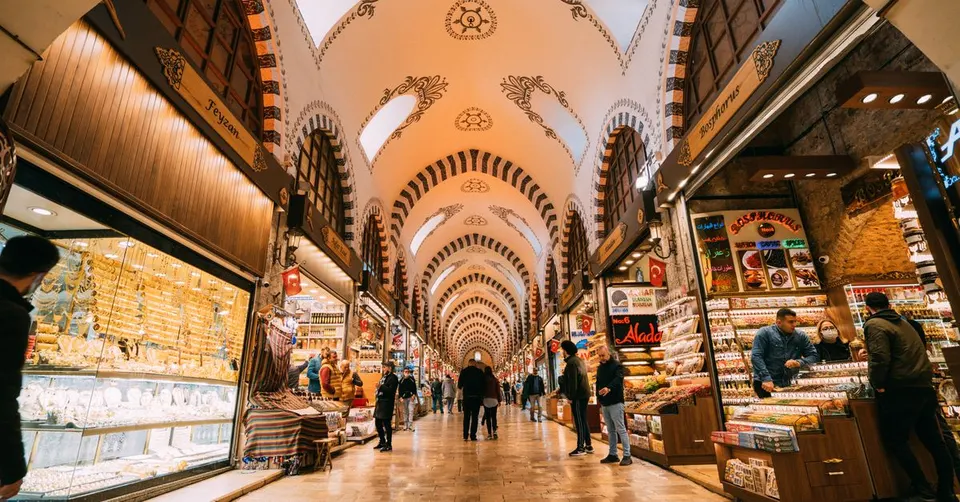
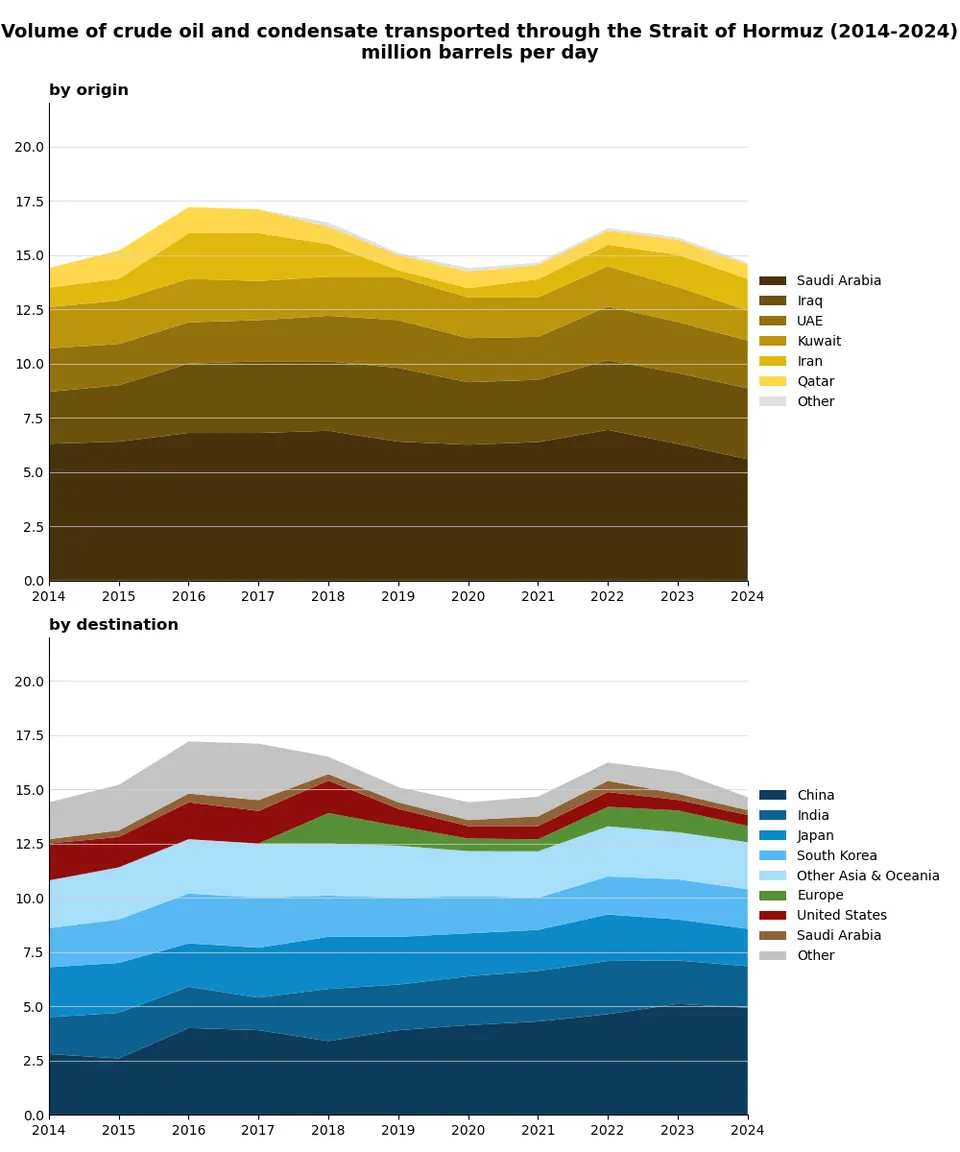
Global Energy Strain: US Oil Inventories Sag Amid Hormuz Turmoil
New data released by the U.S. Energy Information Administration (EIA) reveals that crude oil inventories in the United States fell by 7.2 million barrels last week, bringing national stockpiles to 7% below the five-year average for this season. This sharper-than-expected decrease is largely attributed to the ongoing turmoil in the Strait of Hormuz, which continues to disrupt global shipping lanes and tanker traffic. As regional conflicts intensify, the physical movement of energy resources is becoming increasingly risky and expensive for global distributors.
The inventory drop is a clear signal that the global energy market is struggling to maintain its equilibrium in the face of geopolitical shocks. While Canada is attempting to mitigate these risks by signing new energy deals with Europe to reduce dependence on Middle Eastern supplies, the volume of trade through the Persian Gulf remains an irreplaceable pillar of global energy security. The "Hormuz risk premium" is now a permanent fixture in oil pricing, contributing to the high volatility seen in international markets over the past 48 hours.
For global consumers, this situation implies that the era of energy price stability may be over for the foreseeable future. The combination of falling US inventories and heightened regional risk is likely to keep oil prices elevated, feeding into global inflation cycles. In Iran, while the government relies on oil exports for national revenue, the increased difficulty in shipping and the potential for tighter naval monitoring pose a severe threat to the national budget and the country's ability to fund essential services.
Climate Crisis: Europe Braces for Decisive 12 Hours as Wildfires Rage
While the Middle East is gripped by military conflict, Southern Europe is battling a different kind of systemic threat. Firefighters in France and Spain are currently struggling to contain vast wildfires that have already displaced thousands of residents and destroyed tens of thousands of hectares. Although there has been minor progress in containing certain blazes, authorities in Madrid have warned that the next 12 hours will be "decisive" as temperatures are expected to soar into the low 40s, accompanied by high winds that could reignite dormant fires.
The European Union's crisis management team is on high alert, fearing that the fires could spread into Italy and Greece as the summer heatwave intensifies. This situation has forced a shift in firefighting strategy, where personnel must now prioritize the protection of human life and critical infrastructure over the containment of the forest itself. This change reflects the increasing frequency and intensity of climate-driven events that are stretching the resources of even the wealthiest nations to their breaking points.
This environmental crisis adds another layer of complexity to the global economic outlook. The destruction of forestry and the disruption of the peak tourism season in major European economies could lead to slower regional growth and increased government deficits due to disaster relief spending. For the global community, it serves as a stark reminder that while geopolitical tensions dominate the news cycle, the underlying threat of climate change continues to pose a systemic risk to global stability and economic health.
Frequently Asked Questions
Why is the US-Saudi joint strike in Iraq considered a major escalation?
Why is gold rising significantly faster than the US dollar in Tehran?
How does the drop in US oil inventories affect global prices?
Understanding Safe-Haven Assets Amidst Geopolitical Turmoil
When headlines scream of regional escalation and military strikes, financial markets often react with volatility. Amidst such uncertainty, a curious phenomenon often occurs: certain assets, known as safe havens, see their value rise. A safe-haven asset is an investment that is expected to retain or increase in value during times of market turbulence or geopolitical crisis. Investors flock to these assets to protect their capital from potential losses in more volatile markets.
Gold stands out as the quintessential safe-haven asset, a role it has played for centuries. Unlike fiat currencies, which are backed by the credit of a specific government, gold is a tangible commodity with intrinsic value, universally recognized and accepted across cultures and economies. Its supply is relatively finite, and it's not subject to the same inflationary pressures or political whims that can devalue paper money. When geopolitical tensions escalate, as seen with the recent strikes and regional instability in the Middle East, the demand for gold surges as individuals and institutions seek a reliable store of value.
The reported 2.5% surge in Tehran gold prices is a direct manifestation of this safe-haven appeal. In regions experiencing heightened geopolitical risk and potential economic fallout, local currencies can become unstable, and traditional investments may falter. For investors in such environments, gold offers a tangible hedge against inflation, currency devaluation, and broader economic uncertainty. It represents a universal currency of last resort, providing a sense of security when the future seems unpredictable.
While gold is the most prominent safe haven, other assets can also play this role, such as certain government bonds (like U.S. Treasuries or German Bunds), and strong, stable currencies (like the Swiss Franc or Japanese Yen). However, gold's unique characteristics—its physical nature, historical precedent, and independence from any single nation's economic policy—often make it the preferred choice, especially in times of acute regional conflict. Understanding safe-haven assets, particularly gold, is crucial for comprehending how financial markets respond to global instability.
Topics
Related Articles