
Russell Brand’s ‘Maniacal’ Trial Shakes Media as MicroStrategy Gobbles More Bitcoin Amid Tehran Gold Surge
جنجال دادگاه «راسل برند» و اشتهای سیریناپذیر مایکرواستراتژی برای بیتکوین در کنار جهش قیمت طلا در تهران
Harrowing testimony in the Russell Brand rape trial captures global attention while MicroStrategy doubles down on its Bitcoin bet. In Tehran, gold prices jump 1.2% as regional tensions and high-level diplomacy with Russia keep markets on edge.
At time of publishing
USD
262,600
Toman
Gold 18K
26.17M
Toman / gram
Bitcoin
$82,548
US Dollar
Tether
260,716
Toman
The ‘Maniacal’ Grin: Russell Brand Faces Court
The trial of comedian Russell Brand at Southwark Crown Court has taken a dark and vivid turn. Prosecutors detailed allegations of a sexual assault that reportedly occurred within minutes of Brand meeting an MTV worker. The court heard testimony describing Brand with a "weird maniacal" grin, likened to that of a clown, as he allegedly forced himself upon the victim. These proceedings represent a significant moment in the ongoing scrutiny of high-profile media figures, highlighting the delayed but intense legal reckoning for past behaviors in the entertainment industry.
For the public, this case is more than just celebrity news; it is a test of the legal system's ability to handle historical allegations with modern forensic and psychological rigor. The defense is expected to challenge the timing and consistency of the claims, but the graphic nature of the testimony has already sparked a renewed debate about the culture of impunity that once dominated major media networks like MTV. This trial will likely serve as a benchmark for future cases involving power dynamics and sexual misconduct in the public eye.

, CC BY-SA 2.0]
MicroStrategy’s Orange Fever: Another $22M in Bitcoin
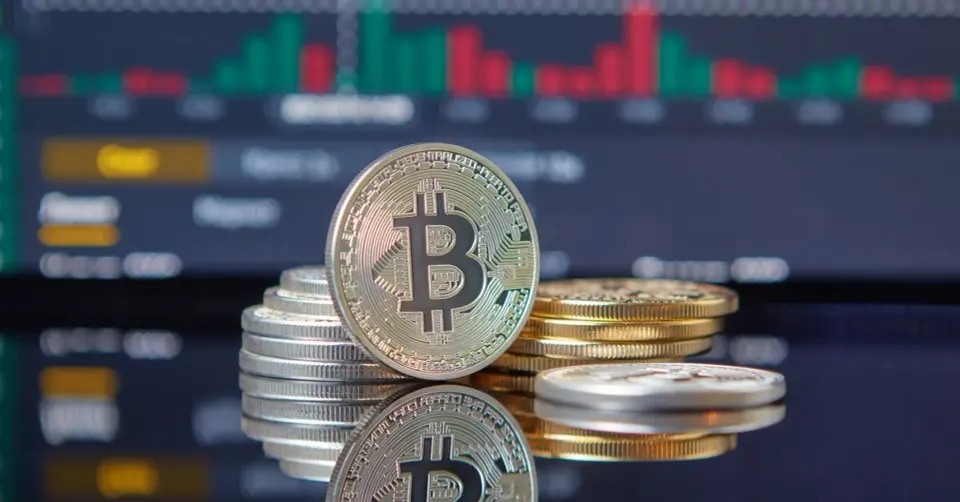
Michael Saylor’s MicroStrategy continues its aggressive accumulation of Bitcoin, announcing the purchase of an additional 267 BTC for approximately $22 million. This move brings the company’s total holdings to a staggering 4% of the entire circulating supply of Bitcoin. With paper gains now exceeding $5.9 billion, MicroStrategy is no longer just a software company; it has effectively become a Bitcoin proxy for institutional investors. The purchase occurred as Bitcoin trades around the $82,548 mark, signaling Saylor’s belief that the digital asset still has significant upside despite its recent rally.
This strategy reflects a growing trend of corporate treasury diversification, though few have matched Saylor's conviction. For Iranian investors, who often use Bitcoin and Tether (USDT) as a hedge against local currency volatility, MicroStrategy’s actions provide a sense of institutional validation. When a NASDAQ-listed company treats Bitcoin as its primary reserve asset, it reduces the perceived risk for retail holders globally. However, the concentration of such a large percentage of supply in one corporate hand also raises questions about market centralisation and the impact of potential future liquidations.
Security and Diplomacy: The View from Tehran
On the domestic front, Iran's Ministry of Intelligence has announced the arrest of 39 individuals in Qazvin Province, labeling them "mercenaries" involved in creating insecurity and destroying public property. While state media reports these arrests as a victory for public order, such announcements often coincide with periods of heightened social or economic tension. The government’s narrative focuses on external agitation, though independent verification of the detainees' motives or the specific acts of destruction remains elusive. This crackdown serves as a reminder of the tight grip the security apparatus maintains over provincial stability.

Simultaneously, high-level diplomacy is unfolding in the capital. Foreign Minister Abbas Araghchi met with his Russian counterpart, Sergey Lavrov, in Tehran today, October 19, 2026. The discussions likely center on military cooperation and the regional fallout of the ongoing conflicts involving Israel. As the Israeli opposition pushes for an even more hawkish stance against Iran than Prime Minister Netanyahu, the Tehran-Moscow axis is becoming increasingly critical for the Islamic Republic’s strategic defense. For the average Iranian, these geopolitical maneuvers are directly felt in the marketplace, where the price of Gold 18k jumped 1.2% today to 26,166,951 Toman per gram.
Market Volatility and the Trump Factor
The Iranian market is showing clear signs of a risk-off sentiment. While the USD/IRR exchange rate saw a modest 0.2% increase, moving from 262,200 to 262,600 Toman, the surge in gold and Emami coins (+0.4%) suggests that investors are seeking the ultimate safe haven. This is partly driven by the uncertainty surrounding the US political landscape. Donald Trump’s recent endorsement of Benjamin Netanyahu as a "Great Warrior" has added a layer of complexity to regional expectations. Markets are weighing whether a potential Trump return would mean a return to "Maximum Pressure" or a new era of unpredictable deal-making.
Beyond the geopolitical noise, the daily reality for many is the threat of financial scams and economic pressure. Reports of fraudulent loan offers—promising $15,000 at low interest rates—are flooding international markets, a trend that often migrates to volatile economies like Iran's. As youth unemployment in the UK is labeled a "catastrophe" by its own Prime Minister, the global economic mood is one of fragility. For Iranians, the combination of domestic security measures, regional war rhetoric, and shifting global alliances creates a high-stakes environment where capital preservation remains the top priority.
Frequently Asked Questions
چرا قیمت طلا در تهران امروز ۱.۲ درصد افزایش یافت؟
تاثیر خرید جدید مایکرواستراتژی بر قیمت بیتکوین چیست؟
اتهامات اصلی راسل برند در دادگاه چیست؟
Bitcoin as a Corporate Treasury Reserve Asset
In an era of economic uncertainty and evolving financial landscapes, a significant shift is occurring in how some companies manage their treasury reserves. Traditionally, corporate treasuries primarily held cash, short-term government bonds, or other highly liquid, low-risk assets to ensure operational stability and meet short-term liabilities. However, the strategy pioneered by companies like MicroStrategy, led by Michael Saylor, introduces a radical alternative: holding Bitcoin as a primary treasury reserve asset.
This unconventional approach is driven by several key motivations. Proponents argue that fiat currencies are susceptible to inflation and devaluation, eroding purchasing power over time. Bitcoin, with its decentralized nature, finite supply (capped at 21 million coins), and resistance to censorship, is viewed by some as a superior long-term store of value—a digital gold. By converting a significant portion of their cash reserves into Bitcoin, companies aim to protect their capital against inflation and potentially benefit from the cryptocurrency's long-term appreciation.
MicroStrategy's aggressive accumulation of Bitcoin since 2020 has been a high-profile example of this strategy. Michael Saylor has consistently articulated his belief that Bitcoin is the hardest money ever invented, offering a hedge against monetary expansion and a more robust asset for preserving shareholder value than holding depreciating cash. This move has positioned MicroStrategy as a de facto Bitcoin proxy for investors seeking exposure to the digital asset without directly owning it.
While this strategy offers potential upsides, it also comes with considerable risks. Bitcoin's notorious price volatility means that the value of a company's treasury can fluctuate dramatically, impacting financial statements and investor confidence. Regulatory uncertainty and cybersecurity concerns also present challenges. Nevertheless, MicroStrategy's bold pivot has sparked debate and inspired other companies, both large and small, to explore Bitcoin and other cryptocurrencies as legitimate components of their broader treasury management and investment strategies, signaling a potential paradigm shift in corporate finance.
Topics
Related Articles