US Launches Heavy Strikes on Iran-Linked Targets as Jordan Foils Missile Attack; Markets Defy Escalation
حملات سنگین آمریکا به مواضع مرتبط با ایران و رهگیری موشکها توسط اردن؛ عقبنشینی غیرمنتظره قیمتها در بازار
The US military has initiated 'heavy' retaliatory strikes against Revolutionary Guard targets in Iran following a brief operational pause. While Jordan reports intercepting five missiles, global oil and domestic Iranian markets have surprisingly dipped, showing a complex reaction to the widening regional conflict.
At time of publishing
USD
193,400
Toman
Gold 18K
18.70M
Toman / gram
Bitcoin
$63,986
US Dollar
Tether
194,109
Toman
US Retaliation Intensifies as Regional Conflict Widens
The geopolitical landscape in the Middle East reached a fever pitch this Thursday as the United States military launched what it described as "heavy" strikes against numerous targets linked to the Islamic Revolutionary Guard Corps (IRGC) within Iran. This escalation follows a days-long pause in operations and comes as a direct response to recent attempts to target American forces in Jordan. President Trump, who had previously vowed a decisive response, appears to be shifting toward a more direct kinetic engagement, raising fears that the shadow war between Washington and Tehran is transitioning into a broader regional conflict.
Simultaneously, the Jordanian military announced it successfully intercepted five ballistic missiles targeting the kingdom overnight. While the source of the missiles was not definitively confirmed by independent observers, Jordanian officials characterized the incident as a foiled Iranian attack. The regional tension is further complicated by reports of shipping movements; notably, a QatarEnergy liquefied natural gas tanker, the Al Areesh, successfully exited the Strait of Hormuz for the first time in weeks. This movement suggests that despite the military strikes, some critical energy corridors remain operational, providing a thin veil of stability to global supply chains.

The Market Paradox: Oil and Toman Defy War Drums
In a surprising turn of events, financial markets have not reacted with the panic many analysts expected. Despite the "heavy" US strikes and the reported missile interceptions, crude oil prices actually ticked lower. Brent crude is currently trading at $89.46 per barrel, while West Texas Intermediate (WTI) stands at $83.54, both down approximately 1% since Wednesday’s close. This downward pressure is largely attributed to the fact that tankers are still successfully navigating the Bab el-Mandeb Strait and the Strait of Hormuz, suggesting that the immediate threat to physical oil flows has not yet reached a breaking point.
Domestically, the Iranian market showed a similar, albeit slight, cooling trend. The USD sell rate in Tehran moved from 193,600 to 193,400 Toman, a minor 0.1% decrease over the last 24 hours. Gold prices followed suit, with 18k gold per gram dropping 0.5% to 18,698,924 Toman. The Emami coin remained stagnant at 188,500,000 Toman. This lack of a massive "war premium" spike suggests that traders may have already priced in the likelihood of US retaliation, or perhaps they are waiting for a more definitive signal of total war before moving into safe-haven assets more aggressively.
---
Sanctions Expansion: The Crypto-Maritime Nexus
Beyond the kinetic battlefield, the US Treasury has opened a new front in its maximum pressure campaign by sanctioning the Iranian maritime firm HormuzSafe. According to official statements, the firm is accused of accepting Bitcoin and other digital assets to facilitate trade and generate revenue for the IRGC, bypassing traditional banking restrictions. This move highlights the growing sophistication of the US Treasury's on-chain monitoring capabilities and its commitment to closing digital loopholes used for sanctions evasion.
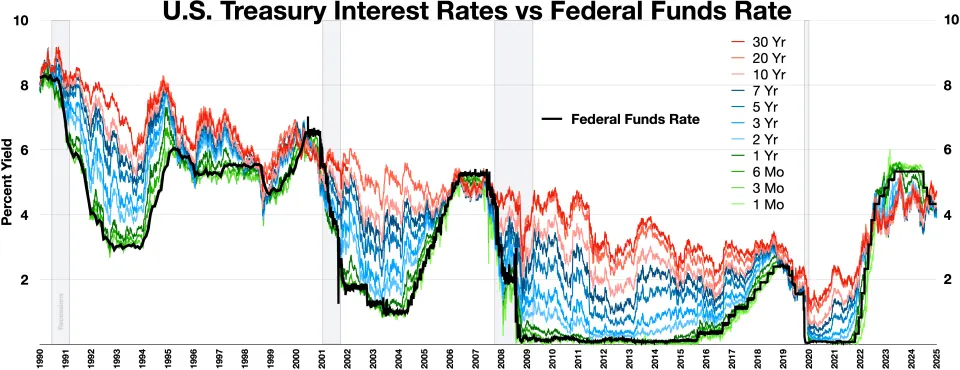
This development comes at a time of uncertainty for the broader crypto market. Bitcoin is currently trading at $63,986, as analysts remain divided over the Federal Reserve's recent hawkish stance. While some believe the Fed's decision to hold interest rates will pressure risk assets like BTC, others argue that the increasing use of crypto in geopolitical maneuvering—as seen with the HormuzSafe case—adds a layer of utility and demand that defies traditional macroeconomic trends. For the Iranian user, these sanctions serve as a stark reminder that the digital asset space is increasingly becoming a monitored battlefield.
---
Global Conflict Context: From Ukraine to the Middle East
While the world's attention is fixed on the Persian Gulf, the conflict in Eastern Europe continues to extract a heavy human toll. Russian strikes on Ukraine, specifically targeting the central city of Kryvyi Rih, resulted in at least eight deaths, including two children aged five and twelve. These events underscore the strained capacity of global superpowers to manage multiple high-intensity conflicts simultaneously. The US administration's decision to launch heavy strikes in the Middle East while continuing to support Kyiv represents a significant strategic gamble regarding resource allocation and diplomatic bandwidth.

For the average observer, these disparate events—from missile interceptions in Jordan to drone strikes in Ukraine—are increasingly interconnected. The global economy is grappling with the reality of a "multi-front" era where instability in one region quickly bleeds into another through energy prices, shipping insurance, and shifting military alliances. As the US military continues its operations against Iranian-aligned targets, the risk remains that militias in Iraq and elsewhere may feel emboldened to deepen their involvement, potentially dragging the entire region into a conflict that no single diplomatic initiative can easily resolve.
Frequently Asked Questions
Why did oil prices drop despite the US military strikes on Iran-linked targets?
What was the significance of the Jordanian missile interception?
How is the US Treasury tracking Iranian crypto transactions for sanctions?
Why the Strait of Hormuz Is the World’s Oil Bottleneck
The Strait of Hormuz, a narrow waterway between Oman and Iran, is the choke point through which about 20% of global oil consumption flows every day. Its width narrows to just 21 nautical miles at the tightest point, allowing only a handful of tankers to pass side‑by‑side. Because the majority of the world’s petroleum – especially Brent crude, the benchmark for European prices – must transit this corridor, any disruption instantly reverberates through global markets, pushing prices up and creating volatility that can affect everything from gasoline at the pump to the cost of goods shipped across the globe.
Geopolitical tensions have repeatedly turned the Hormuz corridor into a flashpoint. When the United States conducts strikes against Iran‑linked facilities, as it did in July 2026, or when regional actors such as Jordan intercept missiles aimed at the waterway, investors watch closely for signs of a blockade or a sudden escalation. Even the mere threat of a closure can trigger a spike in Brent crude prices, as traders price in the risk of supply shortages. Historical episodes – the 2012 Iran‑UK naval confrontation and the 2019 attacks on oil tankers – illustrate how quickly a perceived threat can translate into real price movements.
Sanctions add another layer of complexity. The United States and its allies have imposed extensive sanctions on Iran’s Islamic Revolutionary Guard Corps (IRGC), targeting its oil export capabilities and even extending to digital assets like Bitcoin used to evade restrictions. By limiting Iran’s ability to sell oil, sanctions increase the reliance on alternative routes and suppliers, making the Hormuz Strait even more critical for the remaining legal oil flow. This dynamic also explains why countries such as Russia and China closely monitor the strait, as any interruption could affect their own energy imports and geopolitical strategies.
For everyday consumers, the link between a missile interception off Jordan’s coast and the price you pay for gasoline may seem distant, but it is direct. A single incident that threatens to close the strait can add several dollars per barrel to the price of Brent crude, which then filters through to retail fuel prices worldwide. Understanding the strategic importance of Hormuz helps explain why governments invest heavily in naval patrols, why insurers raise premiums for ships transiting the area, and why markets react sharply to headlines about Middle‑East crises.
In short, the Strait of Hormuz is more than a geographic feature; it is a pivotal economic lever. Its security, or lack thereof, shapes global oil supply, influences sanction effectiveness, and drives price volatility that touches every corner of the global economy.
Topics
Related Articles