
BoE Freezes Rates as Iran War Drives Oil Past $90; US Launches 'Heavy' Retaliatory Strikes
توقف نرخ بهره در انگلیس با نفت ۹۰ دلاری؛ حملات سنگین آمریکا به اهداف مرتبط با ایران در منطقه
The Bank of England has halted interest rate cuts as the Iran conflict pushes oil prices above $90, while the US military launches massive strikes across the region following a week-long lull in hostilities.
At time of publishing
USD
193,400
Toman
Gold 18K
18.67M
Toman / gram
Bitcoin
$64,508
US Dollar
Tether
193,217
Toman
Bank of England Halts Rate Cuts Amid Oil-Driven Inflation Fears
The Bank of England’s Monetary Policy Committee (MPC) voted to keep interest rates steady at 3.75% today, a move directly attributed to the renewed volatility in the Middle East. With the war in Iran intensifying, global oil prices have surged back above the $90 per barrel mark, sparking fears that a new wave of energy-driven inflation could derail the UK’s economic recovery. The decision was not unanimous, reflecting a deep split among policymakers on how to balance stagnant domestic growth against the external shock of rising fuel costs.
For global markets, this pause signals that the era of aggressive central bank easing may be on hold indefinitely if the regional conflict continues to bottleneck energy supplies. Analysts note that the 'Iran premium' is now firmly baked into commodity prices, making it difficult for central banks in London or Washington to justify lower borrowing costs. For the average consumer, this means mortgage rates and credit costs will likely remain elevated for the foreseeable future, as the global economy remains hostage to the geopolitical developments in the Persian Gulf.
US Launches 'Powerful' Strikes as Regional Conflict Escalates
Following a brief and fragile week-long lull, the United States military has launched what it describes as 'powerful' retaliatory strikes against Iranian-linked targets in the region. This escalation comes in direct response to recent attacks on US bases in Jordan and is seen as a definitive end to any immediate hopes for a diplomatic ceasefire. The strikes targeted command-and-control facilities and logistics hubs, marking a significant intensification of the Pentagon's efforts to degrade the capabilities of regional proxies.
In Tehran, the response has been one of defiance. Senior lawmaker Alaeddin Boroujerdi stated that Iran would never accept a 'US-style ceasefire' and promised continued responses to what he termed American aggression. This rhetoric, combined with reports of oil tankers being diverted or catching fire near the Strait of Hormuz, has pushed the risk premium to its highest level since the start of the year. The resumption of direct hostilities suggests that the conflict is moving into a more entrenched phase, with both sides now regularly exchanging missile fire.
Luxury in a Crisis: Trump's Fleet Order Sparks Inflation Debate
While the American public grapples with a deepening affordability crisis—compounded by gas prices rising nearly a dollar per gallon since the administration took office—the White House has sparked controversy by ordering a new fleet of 250 Cadillac Escalades. Critics argue that the move is tone-deaf as the average US household is now estimated to be paying an extra $1,200 per year due to the economic fallout of the Iran war. The contrast between government spending and the financial reality for voters is becoming a central theme in the lead-up to the midterm elections.

This domestic friction is occurring as mortgage rates hit their highest levels in nearly a year, driven by the same inflationary pressures that forced the Bank of England's hand. The 'anti-weaponization fund' and other executive priorities are facing increased scrutiny from lawmakers, who are questioning the allocation of federal resources during a time of heightened military engagement abroad and economic strain at home. The political fallout from these spending choices could have long-term implications for the administration’s legislative agenda.
Market Technicals: Why the 50-Day Moving Average Break Might Be a Headfake
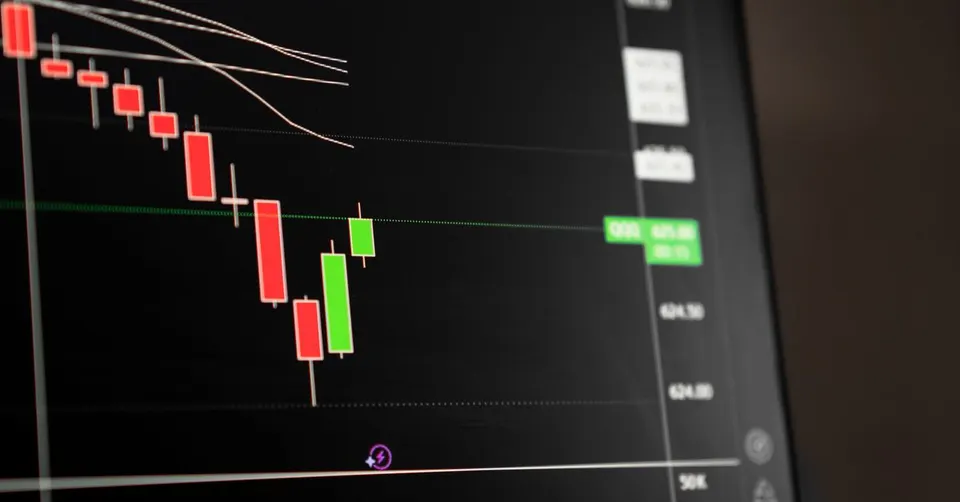
In the financial markets, the S&P 500 and other major indices have recently broken below their 50-day moving averages, a technical signal that traditionally triggers panic among retail investors. However, market analysts are urging caution, noting that such technical indicators have become less reliable in an era dominated by high-frequency trading and massive institutional liquidity. The break is being viewed by some as a healthy correction rather than the start of a bear market, especially as corporate earnings, such as Shell’s $9.8 billion quarterly profit, remain robust due to high energy prices.
For Iranian investors, the local market remains relatively stable despite the global chaos. The USD/IRR exchange rate saw a minor correction, moving from 193,600 to 193,400 (-0.1%), while Gold 18k/gram fell slightly from 18,791,264 to 18,671,222 (-0.6%). This suggests that while global geopolitical risks are at an all-time high, the domestic market has already priced in much of the current escalation, leading to a period of consolidation rather than a panicked sell-off.
---
Brazil Denies Visas as US Political Nominations Stall
Geopolitical tensions have extended to South America, where Brazilian President Luiz Inácio Lula da Silva confirmed that his government denied visas to two US officials accused of attempting to interfere in Brazil's upcoming elections. This diplomatic row highlights a growing rift between the Trump administration and several key Global South nations. Simultaneously, in Washington, the nomination of Todd Blanche for Attorney General has stalled in committee as lawmakers demand more transparency regarding the President’s legal strategies and the aforementioned 'anti-weaponization fund.'
These delays in the US political machine reflect a broader paralysis that could impact foreign policy. If key judicial and diplomatic posts remain unfilled, the administration’s ability to navigate the complex landscape of the Iran conflict and trade relations with South America will be severely hampered. For global observers, the gridlock in Washington is as much a source of market volatility as the physical conflict in the Middle East, as it leaves a vacuum in global leadership during a critical period.
Frequently Asked Questions
Why did the Bank of England stop cutting interest rates?
What was the scale of the recent US military action?
Is the break below the 50-day moving average a signal to sell stocks?
Understanding Oil Shocks and Their Economic Ripple Effects
An "oil shock" refers to a sudden and significant increase in the price of crude oil, typically triggered by geopolitical instability, supply disruptions, or major shifts in global demand. The headline's mention of an "Iran War" driving oil past $90 is a classic example of how conflict in a major oil-producing region can immediately tighten global supply, causing prices to surge. Such events create immense uncertainty in energy markets, as traders anticipate potential shortages and future price volatility, leading to speculative buying and further price hikes.
The primary economic consequence of an oil shock is inflation. As oil is a fundamental input for transportation, manufacturing, and agriculture, higher crude prices quickly translate into increased costs for businesses across virtually all sectors. These elevated production and distribution expenses are then passed on to consumers in the form of higher prices for goods and services – a phenomenon known as supply-side inflation. This erodes purchasing power, making everyday essentials more expensive and potentially reducing overall consumer spending.
Furthermore, oil shocks often precipitate a slowdown in economic growth, sometimes leading to a period of "stagflation" – a challenging combination of high inflation and stagnant economic activity. Central banks, like the Bank of England, face a difficult balancing act in such scenarios. Raising interest rates too aggressively to curb inflation risks stifling an already slowing economy and potentially triggering a recession. Conversely, keeping rates too low could allow inflation to become entrenched. The decision to "freeze rates" reflects this delicate trade-off, as policymakers weigh the need to control inflation against the imperative to support economic stability amidst external shocks.
Topics
Related Articles