Tanker Struck Near Hormuz as USD and Gold Surge in Tehran Amid Rising Regional Tensions
حمله به نفتکش در نزدیکی تنگه هرمز؛ صعود دلار و طلا در بازار تهران همزمان با تنشهای منطقهای
A commercial tanker has been struck by an unknown projectile near the Strait of Hormuz, triggering immediate volatility in Tehran's currency and gold markets. As geopolitical risks mount from Oman to Ukraine, the US Dollar and gold prices have seen a sharp 24-hour uptick.
At time of publishing
USD
194,000
Toman
Gold 18K
18.81M
Toman / gram
Bitcoin
$63,043
US Dollar
Tether
194,788
Toman
High-Stakes Incident at the Strait of Hormuz
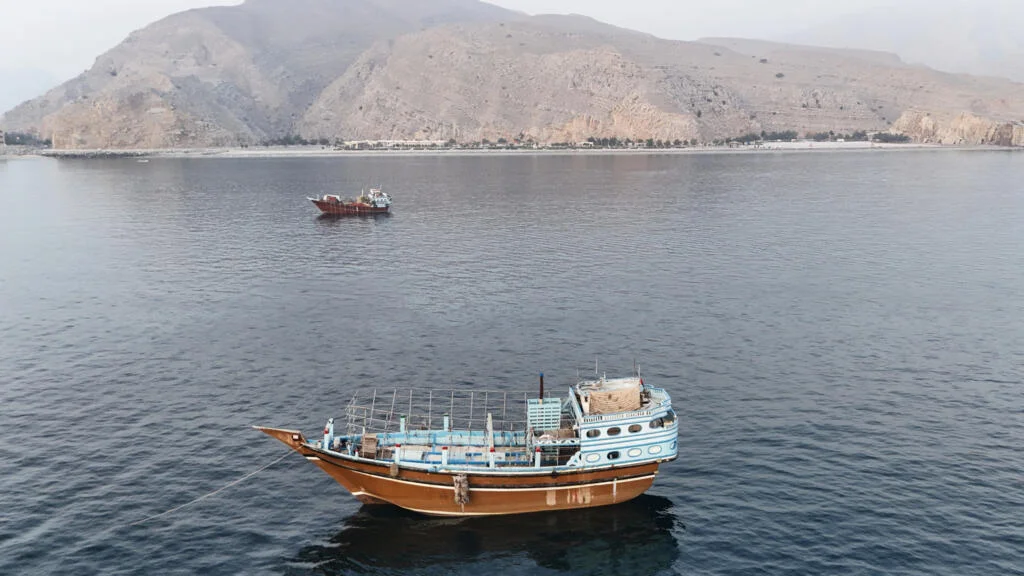
The United Kingdom Maritime Trade Operations (UKMTO) has issued a high-priority alert following a kinetic incident involving a commercial tanker near the entrance to the Strait of Hormuz. According to official reports, the vessel was struck by an "unknown projectile" off the coast of Oman, a development that has immediately sent shockwaves through global energy markets and regional security corridors. This incident marks a significant escalation in the ongoing friction between the United States and Iran, which has seen a steady buildup of naval assets and rhetorical threats over the past several weeks. The UKMTO has advised vessels transiting the area to exercise extreme caution and report any suspicious activity, as the identity of the perpetrators remains unconfirmed.
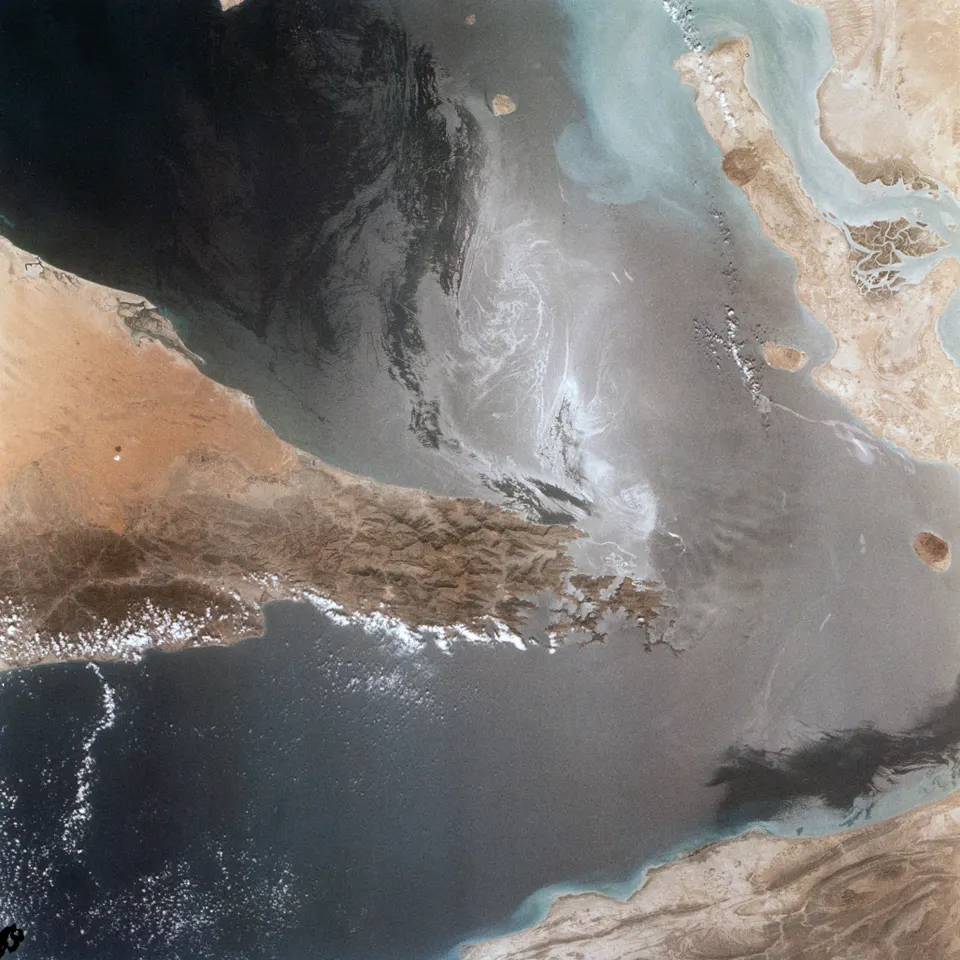
The strategic importance of the Strait of Hormuz cannot be overstated, as it serves as the primary artery for global oil shipments. Any disruption or perceived threat to the safety of navigation in these waters typically results in an immediate "risk premium" being added to crude prices and regional currencies. For Iranian observers, this event is particularly concerning as it coincides with a period of heightened domestic economic sensitivity. The psychological impact of a maritime strike at the world's most critical chokepoint often outweighs the physical damage, leading to a scramble for hard assets as investors fear a broader blockade or military confrontation.
Ballistic Strikes in Kyiv and Global Risk Appetite
In a parallel theater of conflict, Russian forces have launched a devastating ballistic missile barrage on the Ukrainian capital, Kyiv. Local officials have confirmed that at least nine individuals lost their lives in the strikes, which targeted critical infrastructure and residential areas. This escalation represents one of the most significant aerial assaults on the city in recent months, signaling a shift in Moscow's tactical approach as the conflict enters a more aggressive phase. The timing of these strikes, occurring alongside the maritime incident in the Middle East, has created a "perfect storm" of geopolitical instability that is weighing heavily on global market sentiment.
The international community has responded with swift condemnation, but the immediate impact is felt most acutely in the commodities and safe-haven markets. When major geopolitical actors engage in high-intensity strikes, investors traditionally flee from volatile assets toward gold and stable currencies. This global trend is mirroring the local behavior in Tehran, where the demand for gold and hard currency has spiked in the last 24 hours. The perception of an interconnected global crisis—stretching from the borders of Europe to the shores of the Persian Gulf—is driving a "risk-off" environment where liquidity is being pulled from emerging markets and funneled into defensive positions.

US Legal Reversal and the Reflecting Pool Saga
Domestically in the United States, a curious legal saga has come to an end as the Justice Department dropped charges against a former Olympian accused of damaging the Lincoln Memorial Reflecting Pool. In a surprising admission, federal officials stated that the structural damage was actually the result of a "botched renovation" project. This renovation was notably overseen by Donald Trump during his previous term, with costs estimated at approximately $14 million. The decision to drop the case follows a technical review which proved that the leak and subsequent damage were inevitable due to poor engineering during the installation process, rather than any individual act of vandalism.
While this story may seem far removed from the volatility of the Persian Gulf, it underscores the ongoing administrative and legal adjustments within the U.S. government as it grapples with the legacy of previous executive actions. For international observers, particularly those in Iran, the stability and predictability of U.S. domestic policy are key indicators used to forecast future diplomatic stances. The resolution of such cases often reflects the broader mood of the American judiciary and executive branches, providing a glimpse into the internal political dynamics that ultimately shape Washington's foreign policy and its approach to regional sanctions.
Tehran Market Reaction: Gold and USD on the Move
The convergence of these global events has had a tangible and immediate impact on the Iranian financial landscape. Over the last 24 hours, the US Dollar in the Tehran free market rose from 192,800 to 194,000 Toman, representing a 0.6% increase. This upward movement is even more pronounced in the precious metals sector, where 18-karat gold climbed from 18,576,573 to 18,807,424 Toman per gram, a significant jump of 1.2%. The Emami coin followed suit, moving from 188,000,000 to 188,500,000 Toman (+0.3%), as buyers sought protection against potential currency devaluation.
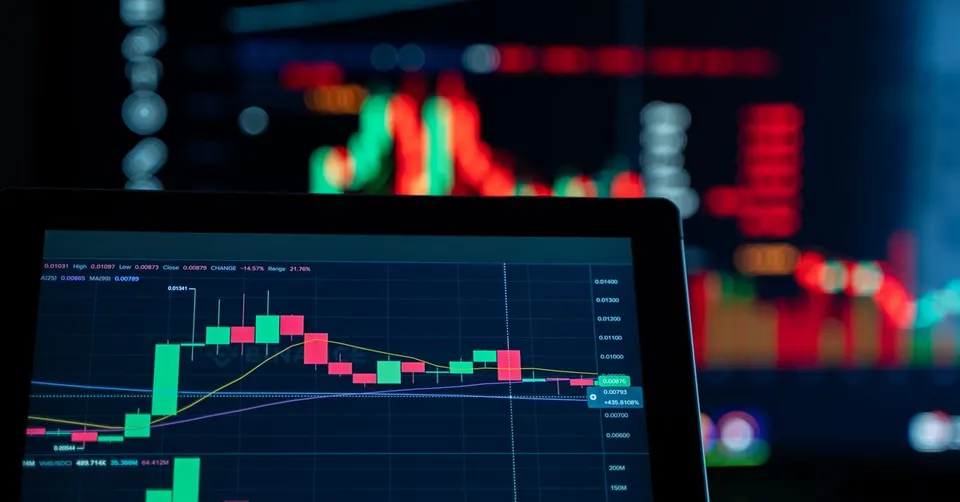
These figures suggest that the market is pricing in the risk of further regional escalation. With gold prices on the international market reaching a staggering $4,043.70 per ounce, the dual pressure of a weakening local currency and a surging global commodity price is creating a challenging environment for Iranian households. The "unknown projectile" incident near Oman acts as a catalyst, reinforcing the narrative that the region remains on a knife-edge. Traders in Tehran are currently operating with a defensive mindset, prioritizing liquidity and safe-haven assets as they await further developments from the maritime agencies and diplomatic channels.
Frequently Asked Questions
Why did the price of gold jump 1.2% in Iran today?
What is the UKMTO's report on the tanker incident near Oman?
How are the Kyiv missile strikes affecting the Iranian market?
Safe-Haven Assets: Gold and USD in Times of Geopolitical Turmoil
In times of heightened geopolitical tension and economic uncertainty, a curious phenomenon often occurs in financial markets: a surge in demand for what are known as safe-haven assets. These are investments that are expected to retain or even increase in value during periods of market turbulence and crisis, offering a refuge for capital when other assets might be declining. The primary goal for investors and individuals seeking safe havens is to preserve their wealth against potential losses from inflation, currency depreciation, or market downturns caused by instability.
Historically, gold has been the quintessential safe-haven asset. Its appeal stems from its intrinsic value, universal acceptance, and the fact that it carries no counterparty risk – meaning its value is not dependent on the solvency of any government or corporation. During crises, whether economic or geopolitical, investors flock to gold as a store of value, driving up its price. This behavior is rooted in centuries of human experience, where gold has consistently proven its worth as a reliable medium of exchange and a hedge against uncertainty.
Beyond precious metals, strong, stable currencies often serve as safe havens. The U.S. Dollar (USD) is a prime example. As the world's primary reserve currency and backed by the relatively stable U.S. economy and financial system, the dollar is widely perceived as a secure asset. In regions experiencing political instability or high inflation, local populations often convert their savings into USD to protect their purchasing power. This demand for dollars, especially in parallel markets, can cause its value to surge against local currencies, as seen in Tehran amid rising regional tensions.
The recent news of a tanker strike near the Strait of Hormuz, coupled with broader regional instability, exemplifies how such events trigger a flight to safety. The Strait of Hormuz is a critical chokepoint for global oil shipments, and any disruption there has far-reaching economic consequences. This kind of geopolitical risk creates an immediate sense of urgency for individuals and investors to shield their assets. The ensuing surge in the prices of gold and the U.S. Dollar in markets like Tehran directly reflects this protective impulse, as people seek to secure their wealth against potential economic fallout and currency devaluation.
Topics
Related Articles