OPEC+ Output Hike Fails to Cool Prices as Hormuz Tensions Escalate; USD Hits 194,500
ناکامی اوپکپلاس در مهار قیمتها با تشدید تنش در هرمز؛ دلار به ۱۹۴,۵۰۰ تومان رسید
As OPEC+ prepares to raise production quotas, the broadening conflict in the Middle East prevents a drop in energy prices. In Tehran, the US Dollar rose to 194,500 Toman as regional instability drives safe-haven demand.
At time of publishing
USD
194,500
Toman
Gold 18K
18.72M
Toman / gram
Bitcoin
$63,032
US Dollar
Tether
194,576
Toman
The OPEC+ Dilemma: Why More Oil Isn't Lowering Prices
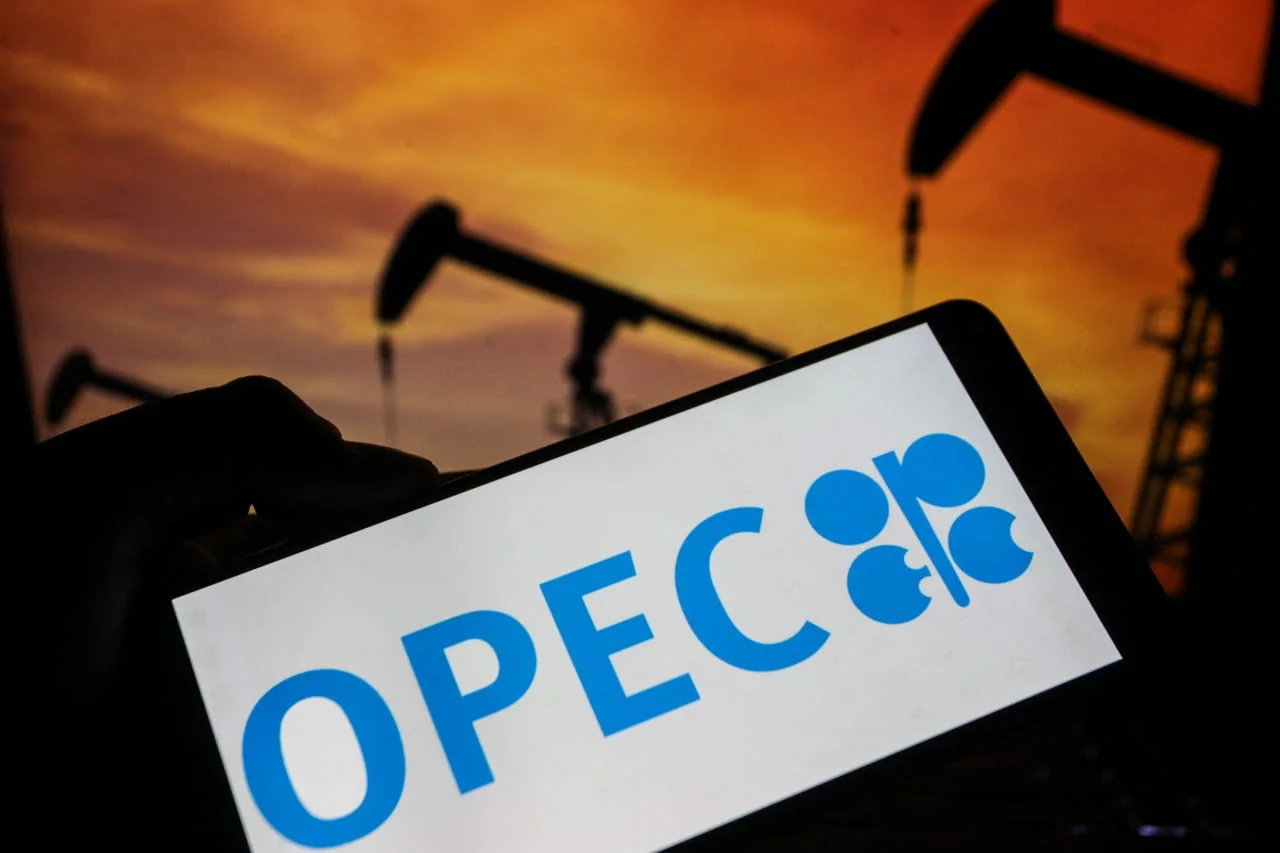
The Organization of the Petroleum Exporting Countries and its allies (OPEC+) are reportedly considering a decision this Sunday to lift their oil production quotas for the sixth consecutive month. While this move is traditionally designed to stabilize global markets and prevent price spikes, the reality on the ground in the Persian Gulf is complicating the math. Analysts suggest that even if the group agrees to put more barrels on the market, the physical ability to export those barrels remains the primary bottleneck as the conflict involving Iran continues to broaden. The geopolitical risk premium is currently outweighing the fundamental supply-and-demand mechanics, keeping Brent and WTI prices at levels that many had hoped would subside by mid-summer.
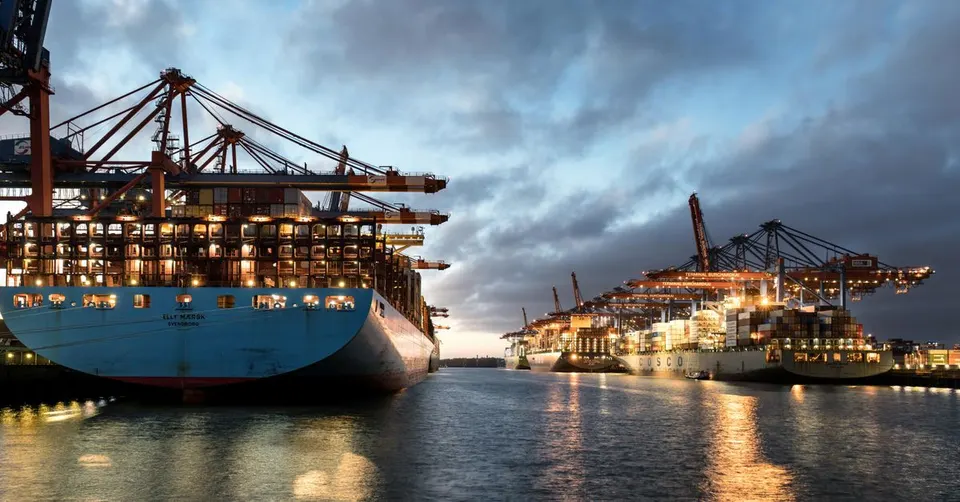
For the global economy, this means that the anticipated relief at the gas pump or in manufacturing costs is unlikely to materialize in the short term. The core issue is the security of maritime routes, specifically the Strait of Hormuz. As shipping lanes become increasingly hazardous, insurance premiums for tankers have skyrocketed, effectively neutralizing any price drop that a quota increase might have caused. Investors are now watching the Sunday meeting not for the production numbers themselves, but for any language regarding the protection of supply chains and the group's ability to maintain exports amidst regional volatility.
---
Regional Escalation: Kuwait Downs Drones as Toman Weakens
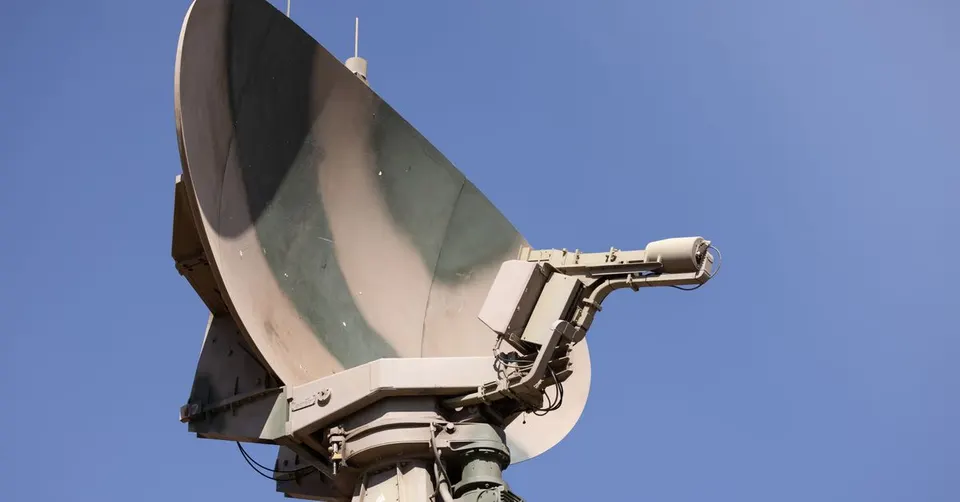
Geopolitical tensions reached a new peak this hour following reports that Kuwait has downed several Iranian drones. This incident marks a significant expansion of the regional conflict, suggesting that the theater of operations is no longer confined to the immediate vicinity of the Iranian border. US President Donald Trump has used the escalation to intensify his rhetoric, even mimicking the sounds of Patriot missile interceptions during recent public appearances to emphasize his administration's military readiness. These developments have sent a clear signal to the Tehran markets: the risk of a full-scale regional confrontation is higher than ever, and the local currency is reflecting that fear.
In the Tehran exchange markets, the US Dollar sell rate moved from 192,800 to 194,500 Toman, marking a 0.9% increase in just 24 hours. Gold has followed a similar trajectory, with 18k gold per gram rising from 18,576,573 to 18,722,009 Toman (+0.8%). This flight to safe-haven assets is a direct response to the perceived instability. When drones are intercepted over neighboring countries and the US President signals a willingness to engage in further military action, the public's confidence in the Toman inevitably erodes, leading to a surge in demand for USD and gold coins, the latter of which saw Emami coins holding steady at a staggering 188,000,000 Toman.
---
Market Rotation: Tech Unwinds as Fertilizer Stocks Surge
On the global stage, a significant shift in investor behavior is taking place. The month of July ended with the equal-weighted S&P 500 significantly outperforming the Nasdaq-100. This shift marks what many are calling a "violent chip-stock unwind," as the initial euphoria surrounding Artificial Intelligence begins to face the reality of high valuations and geopolitical supply chain risks. As investors pull capital out of Silicon Valley giants, they are increasingly looking toward sectors that stand to gain from the current geopolitical climate. One such sector is the fertilizer industry, which has seen a surge in interest as the war in the Middle East threatens global food security and supply lines.
However, the fertilizer trade is not without its own risks. While the conflict near the Strait of Hormuz has sent investors into these stocks, many are overlooking the "China risk." China remains a dominant player in the global fertilizer market, and any disruption in its trade relations or a potential spillover of the conflict could reverse the current gains. This serves as a warning to those attempting to hedge against the Iran war: the global market is deeply interconnected, and a win in one sector can easily be wiped out by a policy shift in Beijing or a new blockade in the South China Sea. For the average saver in Iran, this global volatility underscores the importance of a diversified portfolio that isn't solely dependent on local currency or a single asset class.

---
Global Instability: From Kyiv to the Karakoram
The sense of global disorder is being further fueled by news from other major conflict zones and natural disasters. In Ukraine, Russian missile strikes killed nine people in Kyiv this morning, following reports that President Trump has backed off from a previous pledge to help Ukraine manufacture its own air-defense systems. Meanwhile, in Pakistan, a massive avalanche in the Karakoram range has left several climbers missing, including a prominent American mountaineer. While these events may seem disconnected from the price of the Toman, they contribute to a general atmosphere of global uncertainty that keeps gold prices high, with the international gold ounce currently trading at $4,043.70.
When the world's major powers are distracted by multiple crises—ranging from the war in Eastern Europe to environmental disasters and regional conflicts in the Middle East—market volatility becomes the new normal. For the Iranian reader, this means that the local economic conditions are being shaped by forces far beyond the control of the Central Bank in Tehran. The intersection of US domestic politics, Russian military strategy, and the physical realities of the oil trade are all converging to create a high-inflation, high-risk environment that necessitates a very cautious approach to financial planning and asset management.
Frequently Asked Questions
Why is the USD rising in Tehran despite OPEC+ plans to increase oil supply?
What is the 'China risk' mentioned in the fertilizer stock trade?
How does the Kuwait drone incident impact the Iranian gold market?
Geopolitical Risk and Global Oil Prices: The Strait of Hormuz Factor
Global oil prices are not solely determined by the classic interplay of supply and demand; they are profoundly influenced by geopolitical events. Political instability, conflicts, and tensions in key oil-producing regions or critical transit chokepoints can trigger significant price volatility, often overriding efforts by major producers to stabilize markets. This sensitivity stems from the vital role oil plays in the global economy and the immediate fear of supply disruptions.
One of the most potent examples of such a geopolitical chokepoint is the Strait of Hormuz. This narrow waterway, situated between Oman and Iran, is a crucial maritime passage through which a substantial portion of the world's seaborne crude oil and liquefied natural gas (LNG) passes daily. Any threat to the free flow of shipping through the Strait – whether from military confrontations, piracy, or political brinkmanship – immediately sends shockwaves through global energy markets. The mere perception of risk in this region can cause prices to surge, as traders price in the potential for future supply disruptions, even if current supply levels are adequate.
This explains why an organization like OPEC+, despite its collective power to influence supply, might find its efforts to cool prices insufficient when geopolitical tensions escalate. An OPEC+ decision to increase output aims to boost supply and lower prices. However, if a critical chokepoint like the Strait of Hormuz faces heightened risk, the fear of future supply shortages can outweigh the current increase in supply. The market prioritizes the potential for a catastrophic disruption over incremental supply adjustments, leading to price hikes that defy conventional supply-demand logic. This dynamic underscores the complex and often unpredictable nature of energy markets, where political stability is as crucial as crude oil production.
Understanding the Strait of Hormuz's strategic importance and its vulnerability to geopolitical events is key to comprehending the erratic behavior of global oil prices and the broader implications for energy security worldwide. It highlights how regional conflicts can have far-reaching global economic consequences, affecting everything from inflation rates to national strategic reserves.
Topics
Related Articles