Spain Slams EU Over Ceuta Crisis as Toman Hits 194,600 Amid Regional Corridor Pivot
انتقاد تند اسپانیا از اتحادیه اروپا در بحران سبته؛ تداوم صعود دلار و طلا در بازار تهران
Spanish PM Pedro Sanchez has demanded an urgent EU meeting over the Ceuta migration crisis, accusing member states of a 'selfish' response. Meanwhile, Iran's VP Aref prioritizes strategic transport corridors as the Toman weakens further, with USD reaching 194,600.
At time of publishing
USD
194,600
Toman
Gold 18K
18.78M
Toman / gram
Bitcoin
$63,053
US Dollar
Tether
194,730
Toman
Spain Condemns 'Selfish' EU Response to Ceuta Migration Crisis
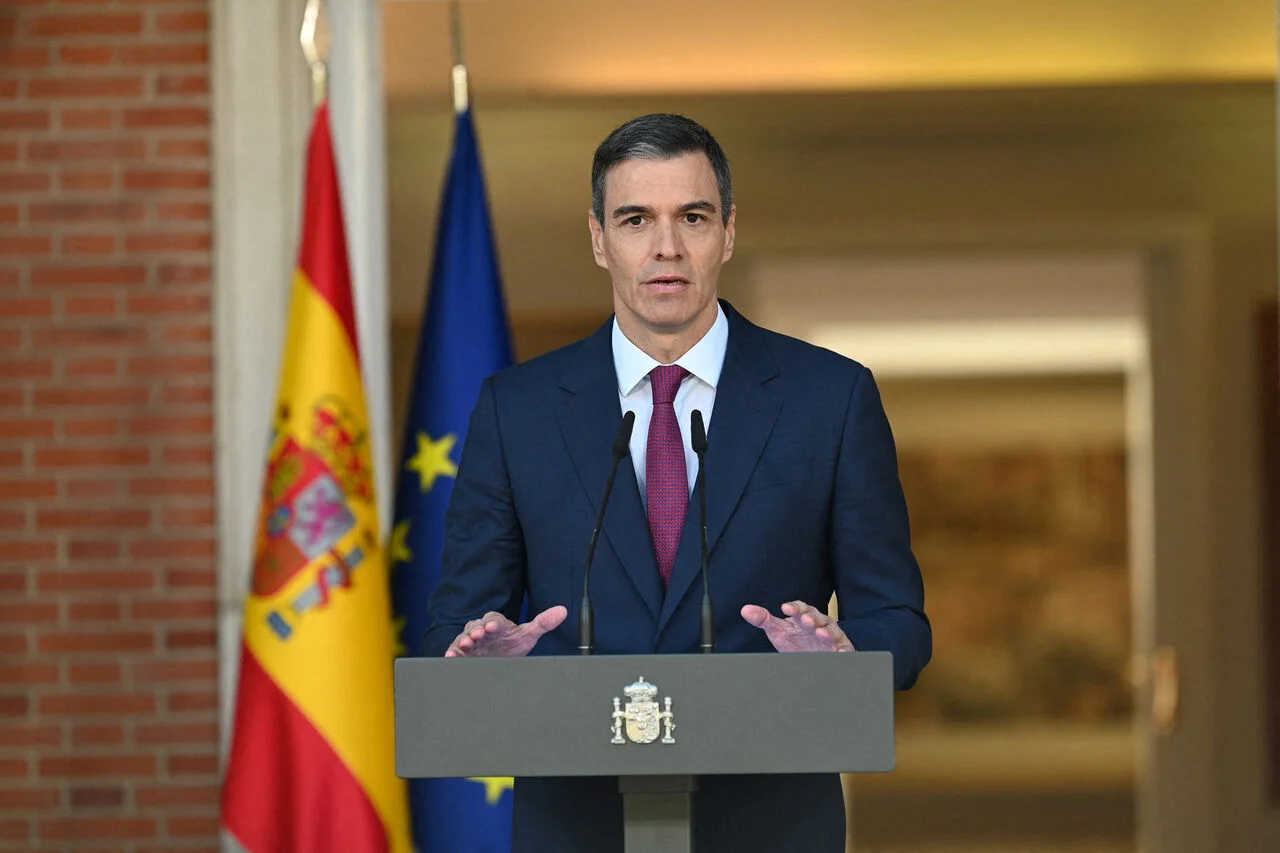
Spanish Prime Minister Pedro Sanchez has launched a blistering critique of European Union member states, demanding an urgent summit to address the escalating migration crisis in Ceuta. The autonomous Spanish city on the North African coast has become a flashpoint for regional tensions, with Sanchez deploring calls from some EU neighbors to suspend Spain from the Schengen area. The Prime Minister characterized these reactions as "selfish and polarizing," arguing that the burden of border management should be shared collectively rather than used as a tool for political isolation. European Commission President Ursula von der Leyen attempted to mitigate the friction by claiming the EU offered support from the first moment, yet the rift highlights a growing lack of cohesion within the bloc regarding border security.
This diplomatic standoff comes at a time when the broader European landscape is already strained by the ongoing conflict in Ukraine and internal economic pressures. Sanchez's rhetoric suggests that Spain feels abandoned on the front lines of North African migration, a sentiment that could lead to a significant shift in how Mediterranean borders are policed. For international observers, this instability within the Schengen zone introduces new risks to European mobility and trade, potentially impacting the euro's stability if the dispute leads to actual policy fragmentation or border closures within the union.

Iran Pivots to Strategic Corridors as Toman Faces Fresh Devaluation
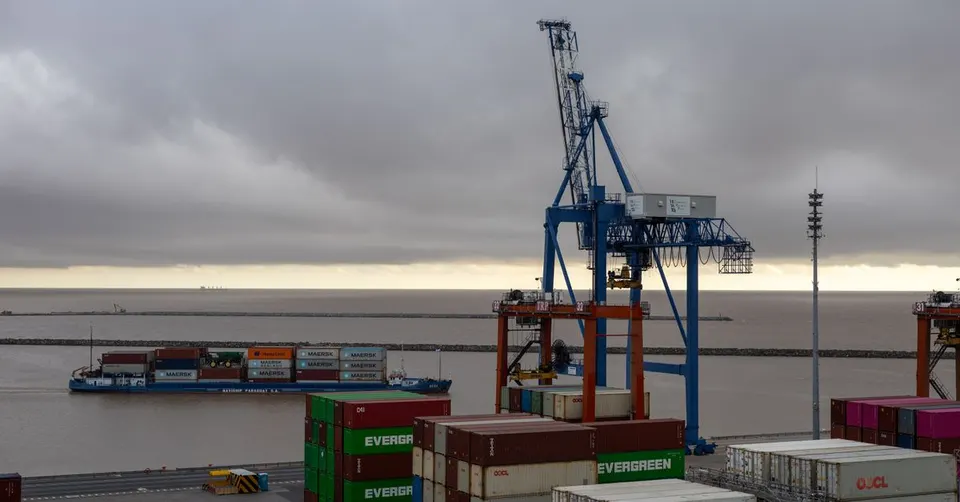
In Tehran, First Vice President Mohammad-Reza Aref has officially designated the development of international transport corridors as a "strategic priority" for the current administration. This policy push is seen as a direct attempt to bypass Western sanctions and leverage Iran's unique geography as a bridge between East and West. By focusing on transit routes, the government hopes to create a steady stream of non-oil revenue and deepen economic ties with regional powers like Russia and China. However, these long-term infrastructure goals are being announced against a backdrop of immediate currency volatility that continues to squeeze the domestic economy.
As of 18:00 Tehran time, the Iranian Toman has shown further signs of weakness. The USD sell rate rose from 192,800 to 194,600 (+0.9%) over the last 24 hours, reflecting persistent inflationary pressure and market anxiety. Gold markets followed a similar upward trajectory, with 18-karat gold rising from 18,576,573 to 18,775,105 Toman per gram (+1.1%). While the government emphasizes corridors and strategic logistics, the immediate reality for the public is a shrinking purchasing power, as the cost of imports and basic commodities tracks the rising dollar. The focus on transit may provide a future lifeline, but it does little to dampen the current speculative fever in the gold and currency exchanges.
Global Power Struggles: From DOJ Subpoenas to the FIFA Mutiny
Geopolitical tensions have taken a sharp turn into the realms of press freedom and international sports governance. In a significant escalation, the U.S. Justice Department has subpoenaed a New York Times freelancer in an attempt to identify sources related to a failed SEAL Team 6 mission in North Korea. This move signals an intensifying crackdown on government leaks and raises serious questions about the protection of journalists in high-stakes reporting. The case is being closely watched by civil liberties groups as a barometer for how much the current administration is willing to sacrifice transparency in the name of national security, particularly regarding sensitive operations in East Asia.
Simultaneously, the world of global football is facing a leadership crisis as UEFA, the European football governing body, declared a vote of no confidence in FIFA President Gianni Infantino. The move follows a controversial plan by Infantino to spin off World Cup commercial rights into a semi-private company—a move critics labeled a "sell-off" of the sport's heritage. Although the plan was eventually dropped, the damage to Infantino’s credibility appears permanent. This internal war within FIFA mirrors broader global trends where traditional institutions are struggling to balance commercial expansion with the interests of their core stakeholders, often leading to public and messy fractures at the highest levels of power.

Tech and Consumer Trends: The 2026 Back-to-School Shift
As August begins, the technology sector is focusing on the shifting habits of consumers during the critical back-to-school season. Current guides, such as those from The Verge, highlight a growing reliance on AI-integrated hardware and specialized digital tools that were once considered niche. This shift isn't just about laptops and tablets; it reflects a deeper integration of automated learning aids into the standard curriculum. For investors and tech companies, this season serves as a litmus test for the actual adoption rate of the high-priced AI features that have dominated corporate earnings calls throughout the year.
However, this technological optimism is tempered by practical concerns about cost and utility. Many families are finding it difficult to navigate the "chaos" of AI agent pricing, as enterprise software providers experiment with confusing monetization models. While the tech industry pushes for a more automated future, the average consumer is stuck deciding between essential hardware and the rising subscription costs of the software required to run it. This tension between innovation and affordability will likely define the retail landscape for the remainder of the year, especially as global economic uncertainty makes households more cautious with their discretionary spending.
Frequently Asked Questions
Why is Spain demanding an urgent EU meeting over Ceuta?
What is the current trend in the Iranian currency and gold market?
Why did UEFA declare no confidence in FIFA's Gianni Infantino?
The Schengen Area: Europe's Borderless Experiment and Its Challenges
The Schengen Area represents one of the most ambitious achievements of European integration: a vast zone where internal border controls have largely been abolished, allowing for the free movement of people, goods, services, and capital. Established by the Schengen Agreement in 1985 and expanded subsequently, it currently encompasses 27 European countries, including most EU member states and several non-EU nations like Norway, Iceland, Switzerland, and Liechtenstein. Its primary goal is to foster deeper economic integration and simplify travel for citizens and tourists alike, embodying the spirit of a "Europe without borders."
At its core, the Schengen system operates on the principle of a shared external border. While individuals can travel freely between Schengen member states without passport checks, stringent controls are maintained at the external frontiers of the Area. This requires member states to cooperate closely on border management, visa policies, and police and judicial matters, creating a collective responsibility for security. The benefits are undeniable: streamlined trade, enhanced tourism, and greater personal freedom for millions.
However, the Schengen Area faces recurring challenges, particularly during periods of significant migration or security threats. The "Ceuta Crisis," referenced in the headline, exemplifies the strain placed on the system when an external border region experiences a large influx of migrants. While Spain, as a Schengen member, is responsible for its external border with Morocco, the principle of free movement within Schengen means that these migrants could potentially travel to other member states once inside. This creates tension between national sovereignty and the shared burden of managing the Area's external borders, often leading to criticism from frontline states like Spain towards the broader EU response.
In response to such pressures, the Schengen Borders Code allows member states to temporarily reintroduce internal border controls under exceptional circumstances, such as serious threats to public policy or internal security. While intended as a last resort, these suspensions underscore the delicate balance between maintaining open internal borders and addressing national security concerns or migration flows. Understanding the Schengen Area is crucial for grasping the complexities of European integration, the challenges of collective border management, and the political dynamics that emerge during crises like the one in Ceuta.
Topics
Related Articles