
Baqaei Slams Regional Silence on 'Aggression' as Toman Edges Toward 195K; AI 'Slop' Hits Billboard Top 100
انتقاد تند بقایی از سکوت همسایگان همزمان با پیشروی دلار؛ نفوذ «موسیقی مصنوعی» به صدر جدول بیلبورد
Iran’s Foreign Ministry has issued a sharp rebuke to regional neighbors for their conduct during recent hostilities, while the Toman continues its steady climb. Meanwhile, a controversial AI-generated track has breached the Billboard Hot 100, sparking a heated debate over the future of digital creativity.
At time of publishing
USD
194,200
Toman
Gold 18K
18.73M
Toman / gram
Bitcoin
$62,305
US Dollar
Tether
195,400
Toman
Diplomacy and the Price of Silence
Iran’s Foreign Ministry spokesperson, Esmaeil Baqaei, has delivered a pointed critique directed at neighboring Islamic nations regarding their stance during recent military actions involving the United States and Israel. In a statement released via state media, Baqaei argued that those who invoke the teachings of Prophet Muhammad must first look at their own governments' actions—or lack thereof—in the face of what Tehran describes as regional aggression. This rhetorical escalation underscores a growing frustration within the Iranian establishment regarding the perceived lack of solidarity from traditional regional partners during periods of high kinetic tension.

For the average Iranian citizen, these diplomatic ripples are felt most acutely in the foreign exchange market. As geopolitical uncertainty remains high, the Toman has shown continued weakness. In the last 24 hours, the USD price in Tehran moved from 192,800 to 194,200 (+0.7%), while 18k gold followed suit, rising from 18,576,573 to 18,733,551 (+0.8%). While the Emami coin remained stable at 188,000,000 Toman, the overall trend suggests a market that is pricing in a prolonged period of regional friction rather than a swift resolution.
The Shadow of a 'Wider War'
New reports from the New York Times have shed light on what is described as a covert Iranian strategy to prepare for a broader regional conflict. According to the report, during a brief window of relative calm, Iranian strategists worked with regional proxies to devise plans that would significantly raise the costs for the United States, specifically targeting the potential return of Donald Trump to executive power. The strategy apparently focused on ensuring that any future American strike would be met with a multi-front response, designed to overwhelm traditional defense systems and force a diplomatic retreat through economic and military attrition.

This "wider war" doctrine explains much of the current posturing seen in the Persian Gulf and Levant. For investors and traders in Tehran, this news reinforces the "anxiety premium" that has kept gold prices near record highs despite occasional dips in global spot prices. The internal logic of the market is now driven by the fear that a single miscalculation could trigger this pre-planned escalation, making hard assets like gold and stablecoins the only perceived safe havens for domestic capital.
AI 'Slop' and the Billboard Hot 100
The music industry is currently grappling with a technological crisis as the track "Rubberz" by Fenix Flexin climbed to number 58 on the Billboard Hot 100. While the artist is a known figure from the group Shoreline Mafia, the song has been widely denounced by critics and fans as "AI slop"—a term used to describe low-quality, algorithmically generated content that mimics human creativity without actually possessing it. The controversy centers on the vocals and production, which many argue show the tell-tale signs of being generated by large-scale music models rather than traditional studio recording.
This development marks a significant turning point for the digital economy and intellectual property. If AI-generated content can successfully compete for chart positions and streaming revenue, the economic model for human creators could collapse. For the tech-savvy Iranian youth and the growing domestic startup scene, this serves as a cautionary tale; while AI offers immense efficiency, the devaluation of human output could lead to a saturated market where quality is sacrificed for volume. This "slop" phenomenon isn't limited to music, as similar patterns are emerging in automated news and social media content.
The Crackdown on Crypto Scams
In a move that highlights the growing regulatory pressure on the digital asset space, officials in Minnesota have implemented a ban on crypto kiosks (ATMs) following reported losses of over $1 million. The victims, predominantly senior citizens, were targeted by sophisticated scams that used the convenience of these ATMs to facilitate rapid, irreversible transfers of wealth. This policy response reflects a broader global trend where governments are beginning to view the physical infrastructure of the crypto world—like ATMs—as high-risk entry points for financial crime.
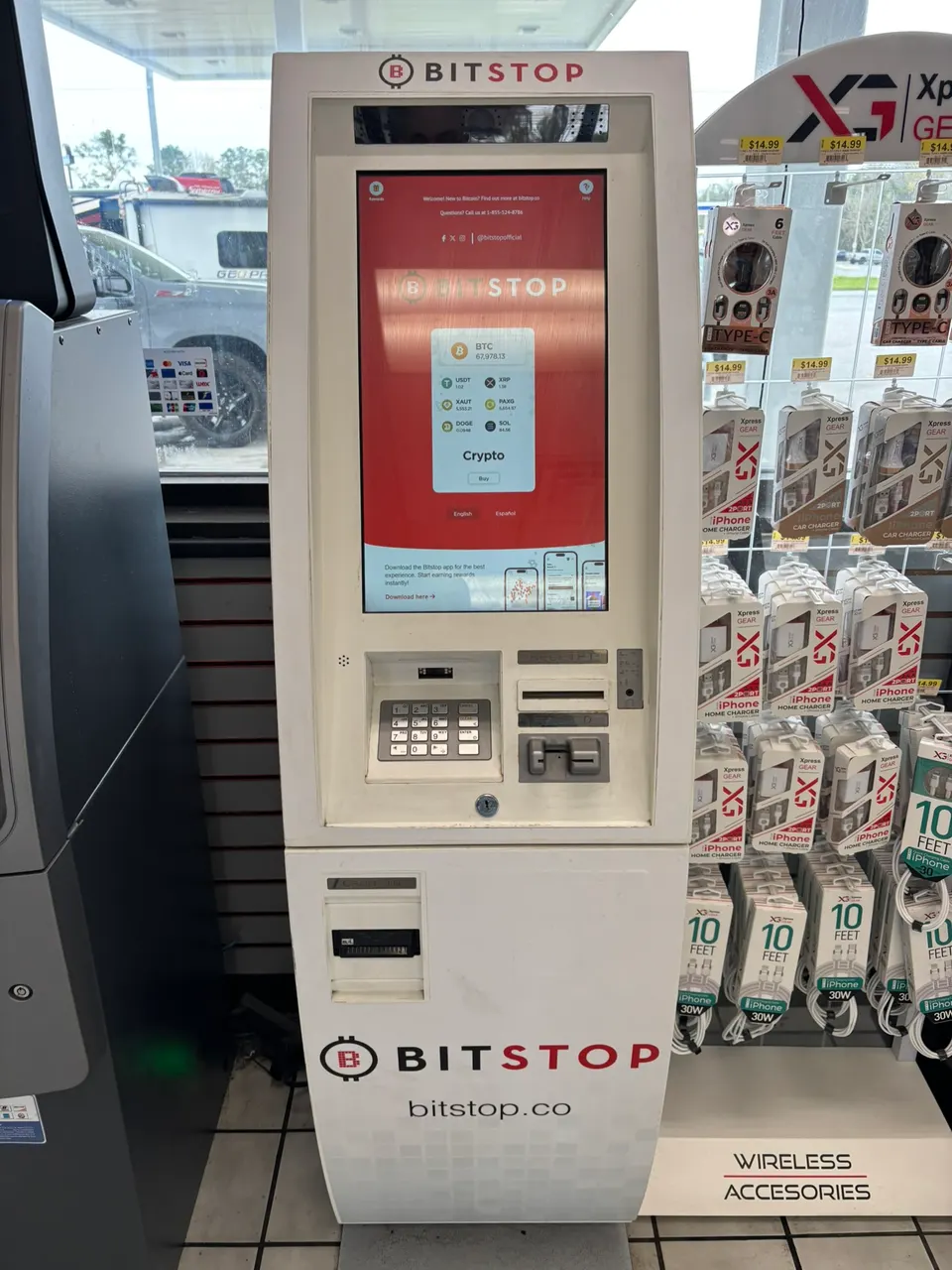
This regulatory tightening has a direct psychological impact on the global crypto market, including in Iran. While the ban is localized, it contributes to a narrative of risk that can dampen retail sentiment. Currently, Bitcoin is trading at $62,305, struggling to find a clear direction as it balances institutional adoption against these persistent regulatory hurdles. For Iranian users who rely on USDT (currently at 195,400 Toman) for cross-border transactions, the lesson is clear: as the global landscape for crypto becomes more regulated and scrutinized, the importance of using secure, verified platforms over anonymous kiosks becomes a matter of financial survival.
Frequently Asked Questions
Why is the Iranian Foreign Ministry criticizing neighboring countries?
How has the Toman responded to recent geopolitical news?
What is 'AI slop' in the context of the Billboard charts?
Why were crypto ATMs banned in Minnesota?
Understanding Currency Devaluation
Currency devaluation is a significant economic phenomenon where a country's monetary authority deliberately lowers the value of its currency relative to one or more foreign currencies, or, more broadly, when a currency significantly loses value in a floating exchange rate system due to market forces. This is distinct from depreciation, which refers to a fall in currency value in a floating exchange rate system due to market dynamics without direct government intervention. Devaluation can be a policy tool, but more often, as seen in many developing economies, it's a symptom of underlying economic distress.
The primary drivers of currency devaluation often include persistent high inflation, which erodes the purchasing power of the domestic currency, making it less attractive internationally. Large current account deficits, where a country imports more than it exports, can also put downward pressure on the currency. Furthermore, political instability, international sanctions, or a lack of confidence in a government's economic policies can trigger capital flight and a rapid decline in currency value. Central banks might also devalue a currency as a strategic move to boost exports by making them cheaper for foreign buyers.
While a devalued currency can theoretically make a country's exports more competitive and imports more expensive, thereby improving its trade balance, the real-world consequences, especially for economies like Iran, are often challenging. For ordinary citizens, devaluation means a sharp reduction in purchasing power. Imported goods, including essential commodities, become significantly more expensive, fueling domestic inflation. Savings held in the local currency lose value, and the cost of servicing foreign debt denominated in stronger currencies increases dramatically.
The situation with the Iranian Toman, frequently mentioned in headlines regarding its exchange rate against the USD, serves as a stark example of a currency experiencing significant devaluation. Factors such as international sanctions, domestic economic mismanagement, high inflation rates, and a lack of investor confidence have consistently driven down the Toman's value over extended periods. This continuous erosion of value impacts the daily lives of Iranians, making basic necessities more costly and diminishing the overall standard of living, illustrating the profound and often painful effects of currency devaluation.
Topics
Related Articles