Gaza Death Toll Surpasses 73,000; Tehran Markets Recede as Trump Pauses Strikes for 'Rapid Deal'
تلفات غزه از ۷۳ هزار نفر گذشت؛ عقبنشینی ترامپ بازار تهران را به مدار نزولی برد
As the humanitarian crisis in Gaza reaches a staggering new milestone of 73,356 deaths, regional tensions remain the primary driver of market volatility. In Tehran, the rial has found temporary relief following Donald Trump's announcement to pause military strikes in favor of a potential nuclear and maritime deal.
At time of publishing
USD
191,300
Toman
Gold 18K
18.33M
Toman / gram
Bitcoin
$63,111
US Dollar
Tether
192,268
Toman
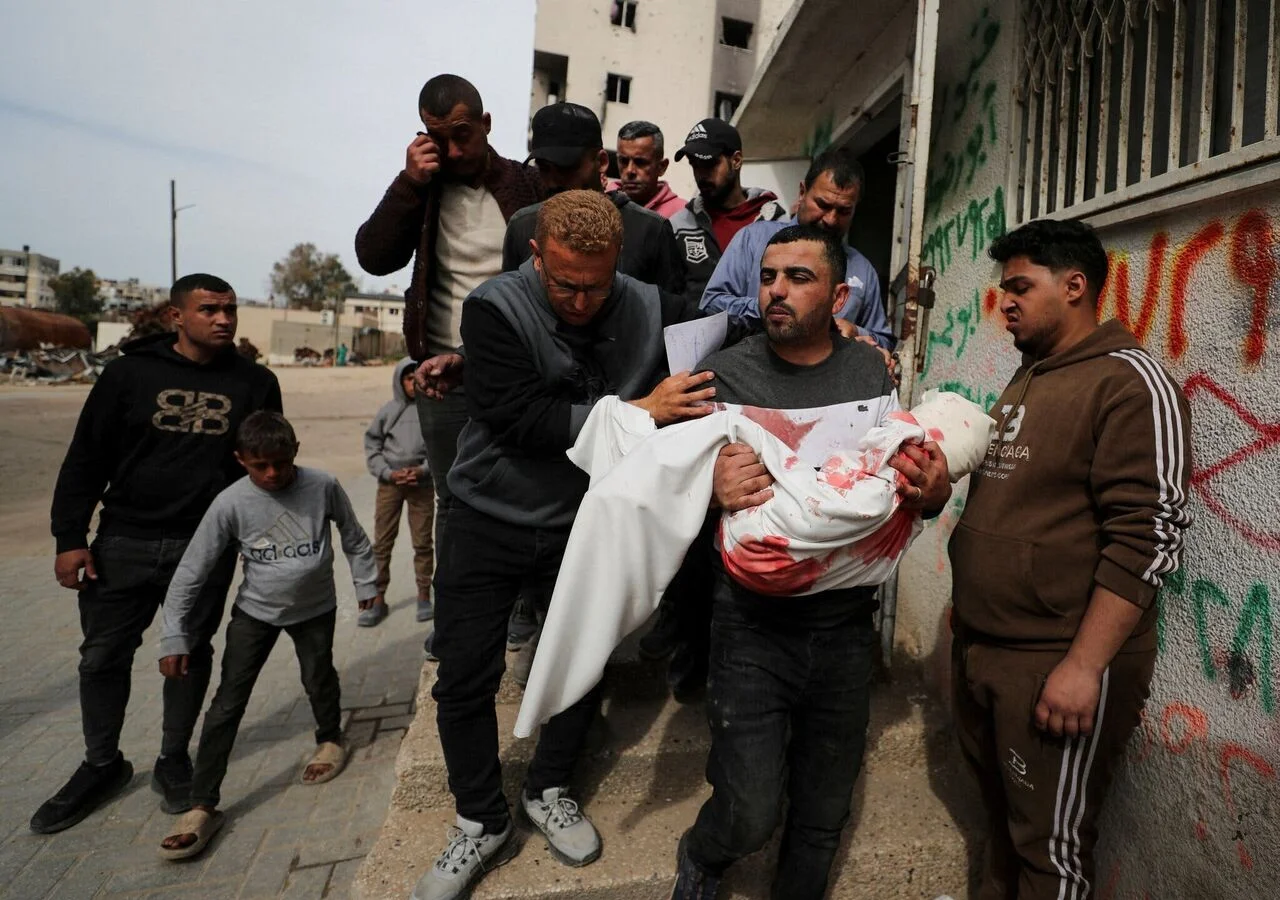
Gaza Death Toll Hits 73,356 as Regional Humanitarian Crisis Deepens
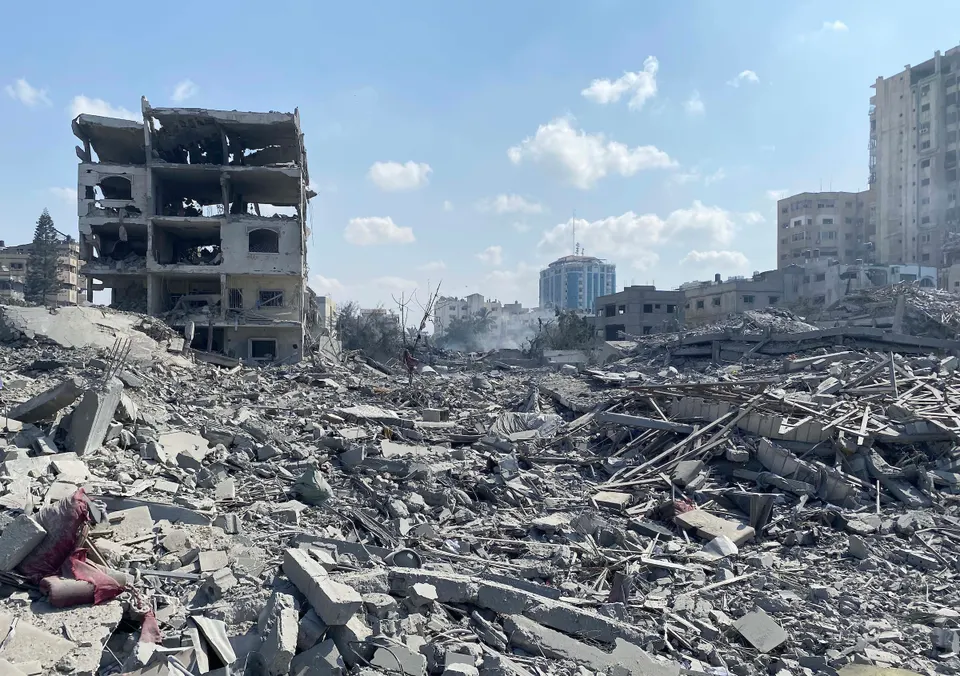
The humanitarian situation in the Gaza Strip has reached a harrowing new milestone. According to the latest reports from IRNA and regional health authorities, the total number of fatalities since the start of the current conflict has climbed to 73,356. This staggering figure underscores the unprecedented scale of destruction in the enclave, where infrastructure, healthcare systems, and residential blocks have been largely pulverized. The continuation of the Israeli regime's military operations, despite international calls for a ceasefire, suggests that the regional security architecture remains on a knife-edge, directly impacting the psychological state of neighboring economies.
For Iranian observers and investors, these numbers are not just statistics; they represent the ongoing risk of a wider regional conflagration. While the immediate focus often shifts to diplomatic maneuvers in Washington or Tehran, the sheer scale of the loss of life in Gaza serves as a constant reminder of the underlying instability. This instability fuels the 'war premium' often baked into the price of gold and hard currency in the Tehran bazaar. As long as the conflict remains unresolved and the death toll continues its upward trajectory, the threat of sudden escalations remains the primary 'black swan' event that could upend any temporary market stabilization.
Trump Pauses Strikes for 'Rapid Deal' as Tehran Markets Cool Down
In a significant pivot that has sent ripples through the Iranian financial sector, Donald Trump has announced the cancellation of planned military strikes against Iran. Posting on his Truth Social platform, Trump claimed that the pause was a response to requests from regional actors and his own expectation of reaching a "rapid" deal regarding Iran’s nuclear program and the guaranteed reopening of the Strait of Hormuz. This sudden shift from a combative posture to a transactional one has immediately deflated the war-fueled speculation that had pushed the US Dollar and gold to near-record highs earlier this week.
As a result, the domestic market in Tehran has seen a notable correction at the 15:00 hour. The USD/IRR exchange rate, which stood at 194,400 just 24 hours ago, has dropped to 191,300, representing a -1.6% decline. Similarly, the gold market has reacted with even more sensitivity to the cooling rhetoric. Gold 18k per gram fell from 18,733,551 to 18,329,562 Toman (-2.2%), while the Emami coin saw a -2.4% drop, moving from 188,000,000 to 183,500,000 Toman. This correction reflects a market that is desperate for de-escalation, though seasoned traders remain skeptical of how "rapid" such a complex geopolitical deal can truly be.
BNB Chain Targets Ex-Employee Over Unauthorized Memecoin Launch
The world of decentralized finance and centralized exchange ecosystems collided this hour as BNB Chain initiated legal proceedings against a former employee. The company alleges that the individual misappropriated a company tutorial wallet to launch an unauthorized memecoin, leveraging the BNB Chain name to gain unearned credibility. This incident highlights a persistent vulnerability in the crypto space: the "insider threat." Even within organizations as large and established as those associated with the Binance ecosystem, the bridge between internal development tools and public market manipulation remains a significant risk for retail investors.
For Iranian crypto traders, who often rely on BNB Chain for its lower transaction fees and accessibility via USDT, this story is a cautionary tale about the 'memecoin' mania. While Bitcoin remains relatively stable above $63,111, the proliferation of unauthorized tokens can lead to sudden liquidity drains and rug-pulls. This legal action by BNB Chain is an attempt to signal to the market that it will defend its brand integrity, but it also serves as a reminder that in the era of AI-driven code generation and rapid token deployment, the line between an official product and a rogue experiment is thinner than ever.
Iran’s Population Surpasses 87 Million Amid Rapid Urbanization
On the domestic front, new data from the Statistical Center of Iran reveals that the country’s population has officially surpassed 87 million, reaching 87,006,037 people. While population growth is often viewed through a demographic lens, the economic implications for Iran are profound. The data suggests that urban growth continues to accelerate, putting immense pressure on the infrastructure of major hubs like Tehran, Mashhad, and Isfahan. This shift toward high-density urban living is occurring at a time when the national economy is struggling with high inflation and limited housing supply, creating a bottleneck for the young workforce entering the market.
This demographic milestone matters to the average citizen because it dictates the future of government subsidies, energy consumption, and the long-term value of real estate. As the population grows, the demand for basic commodities and foreign exchange to fund imports will naturally rise. If the industrial and agricultural sectors do not expand at a commensurate pace—hampered by existing sanctions and lack of foreign investment—the structural pressure on the Rial will only increase. Today’s market dip may be a reaction to geopolitical headlines, but the long-term trend of the Iranian economy will be defined by how the state manages the needs of these 87 million citizens in an increasingly urbanized environment.

Frequently Asked Questions
Why did the price of gold and USD drop in Tehran today?
What is the significance of the 73,356 death toll in Gaza for regional markets?
Is the BNB Chain legal action against its ex-employee a threat to the network?
Geopolitical Risk and Market Response
The headline "Tehran Markets Recede as Trump Pauses Strikes for 'Rapid Deal'" offers a stark illustration of the profound link between geopolitical risk and financial market response. Geopolitical risk refers to the uncertainty and potential disruption to global stability caused by political events, conflicts, or international tensions. For investors and economies, this risk translates into tangible consequences, influencing everything from currency exchange rates and commodity prices to stock market valuations and foreign direct investment. Markets are forward-looking mechanisms, constantly attempting to price in future events, including political shifts.
When geopolitical tensions escalate, investors typically seek safety. This often leads to a "flight to quality," where capital moves towards perceived safe-haven assets like gold, certain stable currencies (such as the U.S. dollar or Swiss franc), or government bonds of highly stable nations. Conversely, assets in the directly affected region, or those heavily reliant on stability in that region (like oil prices if a critical shipping lane is threatened), can experience significant volatility or depreciation. The Iranian rial (IRR) exchange rate, for instance, has historically been sensitive to the ebb and flow of international relations and sanctions.
The reported "Tehran Markets Receding" and "gold price drop" in response to President Trump pausing strikes for a "rapid deal" suggests a reduction in perceived geopolitical risk. A potential diplomatic breakthrough or de-escalation of military tensions often signals a more stable environment. In such scenarios, the demand for safe-haven assets like gold may decrease, leading to a price drop. Similarly, local markets might adjust as the previous "risk premium" associated with heightened tensions diminishes. This adjustment can manifest as a recalibration of asset prices, potentially including a sell-off in assets that had perhaps inflated due to specific local conditions under high risk, or a general market re-evaluation based on new economic prospects.
This phenomenon is not unique to Iran; it's a universal principle in global finance. Major geopolitical events, from conflicts in the Middle East affecting the Strait of Hormuz to trade wars between global powers, invariably send ripples through international markets. Understanding this dynamic is crucial for comprehending how political decisions and diplomatic efforts directly shape economic realities, impacting everything from the price of oil to the stability of national currencies and the wealth of individual investors.