Trump Pauses Iran Strikes for 'Rapid Deal' as Tehran Gold Prices Plunge 3%
توقف حملات ترامپ به ایران برای «توافق سریع»؛ ریزش ۳ درصدی قیمت طلا در بازار تهران
President Trump has signaled a temporary halt to strikes on Iran in exchange for a swift agreement on the Strait of Hormuz, causing a sharp correction in domestic gold markets. Meanwhile, Tehran warns of a firm response to any aggression as regional tensions remain on a knife-edge.
At time of publishing
USD
194,600
Toman
Gold 18K
18.15M
Toman / gram
Bitcoin
$63,446
US Dollar
Tether
191,860
Toman
Trump’s High-Stakes Gamble: A 'Rapid Deal' for Hormuz
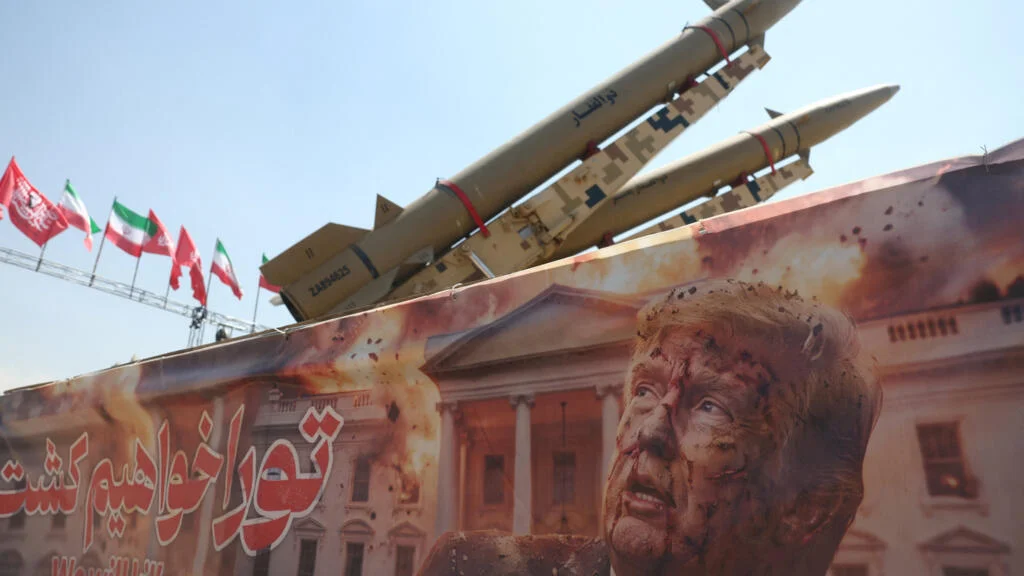
In a dramatic shift of rhetoric, Donald Trump announced on Saturday that the United States and Israel have agreed to suspend further military strikes against Iran, provided a "rapid deal" regarding the Strait of Hormuz and regional stability is reached. This move follows weeks of escalating kinetic actions that have rattled global energy markets and sent the price of gold to historic highs. Trump’s strategy appears to be a mix of maximum pressure and the lure of de-escalation, aiming to secure a commitment from Tehran to ensure the unimpeded flow of oil through the world’s most critical maritime chokepoint. While the White House frames this as a path to peace, critics argue it is an ultimatum that leaves little room for diplomatic nuance.
The proposal focuses heavily on the Strait of Hormuz, where recent disruptions have caused global oil prices to surge, benefiting emerging producers like Suriname but crippling traditional supply chains. Fact-checkers have noted that Trump’s claims regarding the war's impact on oil and munitions stockpiles have been partially misleading, often blaming previous administrations for current strategic vulnerabilities. However, the market's reaction to his announcement was immediate and visceral. By framing the conflict as a choice between a "rapid deal" and continued bombardment, the administration is forcing the Iranian leadership into a corner where silence or refusal could be interpreted as a justification for renewed hostilities.
Tehran’s Defiant Diplomacy: Araghchi Warns of 'Firm Response'
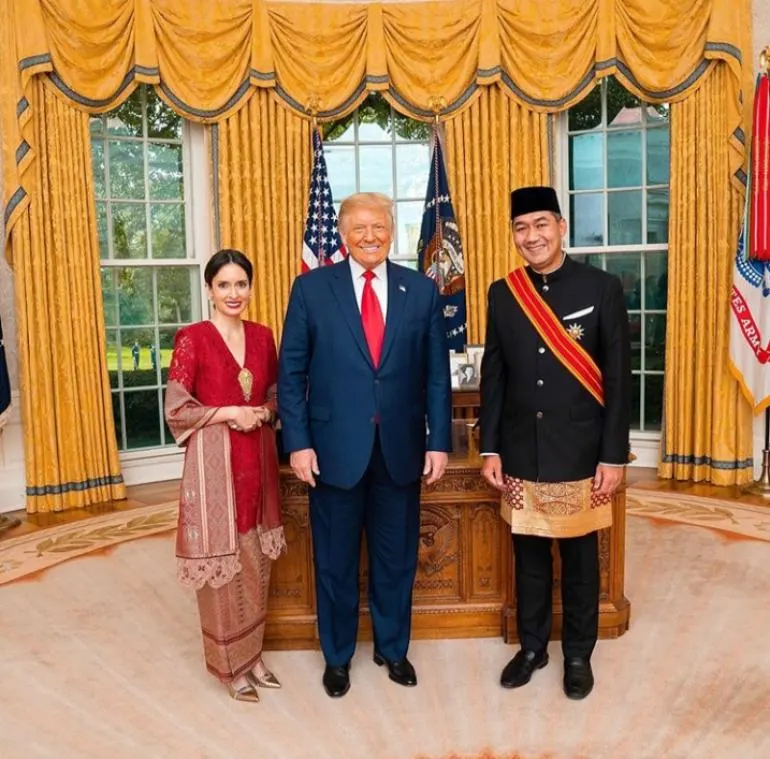
Despite the overtures from Washington, Iran’s official stance remains one of stern defiance. Foreign Minister Abbas Araghchi, in a high-level telephone conversation with his Saudi counterpart Faisal bin Farhan, stated that Iran is fully prepared to safeguard its sovereignty. Araghchi’s comments, reported by state media, emphasize that any act of aggression by the United States, Israel, or their regional partners will be met with a "firm and proportionate response." This diplomatic maneuvering suggests that while the Iranian government is aware of the high stakes, it is unwilling to appear submissive under the threat of strikes, maintaining a posture of strategic deterrence.
This regional dialogue is particularly significant as Saudi Arabia continues to navigate its complex role as a mediator and a major energy power. The Iranian leadership is effectively trying to decouple its regional neighbors from the U.S.-Israeli military axis by warning of the consequences of a wider conflict. For the average Iranian citizen, this high-level posturing translates into a state of permanent uncertainty, where the threat of war fluctuates with every headline, directly impacting the value of their savings and the cost of basic goods.

Market Shockwaves: Gold Plunges as USD Holds Steady
The domestic markets in Iran reacted sharply to the news of a potential pause in strikes. Gold 18k per gram saw a significant decline, moving from 18,733,551 to 18,149,499 Toman, a drop of 3.1% in just 24 hours. Similarly, the Emami gold coin fell from 188,000,000 to 184,000,000 Toman (-2.1%). This correction reflects a sudden reduction in the "war premium" that had been baked into gold prices over the past week. Investors who had flocked to gold as a safe haven are now reassessing their positions as the immediate threat of a massive aerial campaign appears to have slightly receded, though the underlying geopolitical risks remain fundamentally unchanged.
In contrast to the volatility in gold, the USD/IRR exchange rate remained remarkably stable, moving slightly from 194,400 to 194,600 (+0.1%). This suggests that while the "panic buying" of hard currency has slowed, there is still a deep-seated lack of confidence in the long-term stability of the Rial. Meanwhile, in the global theater, Bitcoin continues to consolidate at $63,446, sitting just below key resistance levels. For Iranian crypto traders, this consolidation provides a brief window of stability amidst the chaotic fluctuations of the domestic gold and coin markets, though the threat of sanctions-related crackdowns on exchanges like the recently flagged Shelbit remains a persistent concern.
The Gaza Contradiction: Bombardment Amidst Ceasefire Talks
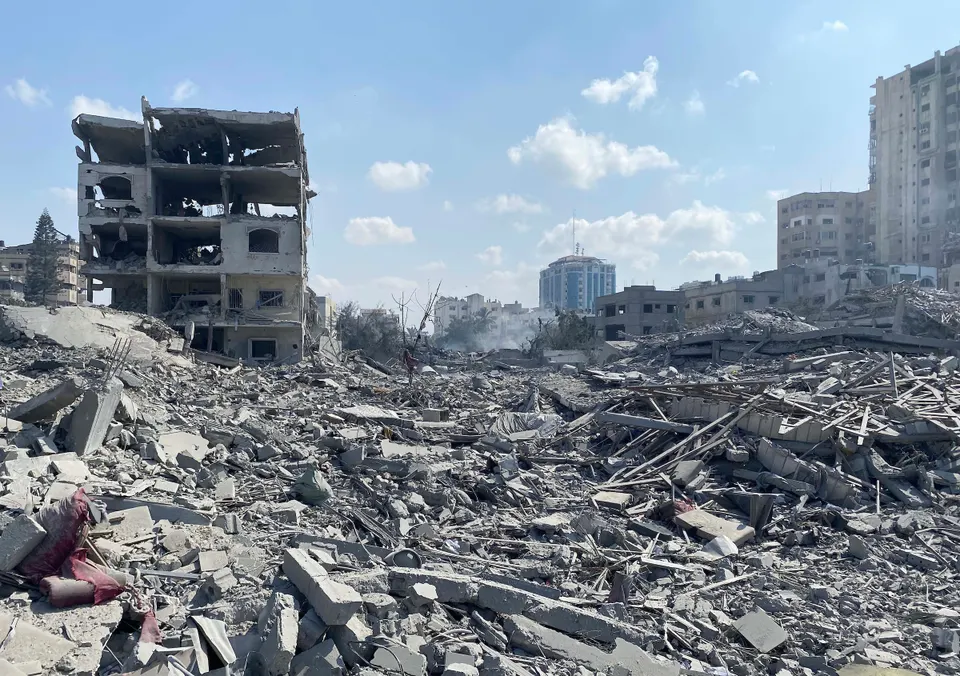
Adding a layer of complexity to Trump's "rapid deal" narrative is the ongoing violence in Gaza. Only days after the President announced a deal to advance a ceasefire, Israeli forces launched fresh bombardments, resulting in multiple casualties according to Palestinian officials. The deal supposedly calls for Hamas to disarm in exchange for a cessation of Israeli attacks, but the reality on the ground shows a stark disconnect between diplomatic announcements and military operations. This disconnect raises serious questions about the viability of any "rapid deal" with Iran; if a ceasefire cannot be maintained in Gaza, the prospects for a comprehensive security agreement in the Persian Gulf seem increasingly fragile.
For the broader Middle East, the continuation of the Gaza conflict serves as a constant friction point that could easily derail any progress toward a U.S.-Iran settlement. The Iranian government frequently uses the plight of Palestinians to justify its regional influence and military posture, meaning that as long as the bombardment continues, Tehran has a political incentive to maintain its "firm response" rhetoric. The coming hours will be critical as the world watches whether Trump’s ultimatum leads to a genuine diplomatic breakthrough or serves as the precursor to an even larger military confrontation.
Watch
Trump needs to 'FINISH THE JOB' with Iran, Rep. Crawford argues
Fox News
Frequently Asked Questions
What specifically is the 'Rapid Deal' Trump is proposing?
Why did gold prices fall in Iran while the dollar stayed stable?
Is there a real ceasefire in Gaza following Trump's announcement?
Understanding Safe-Haven Assets and Geopolitical Risk
When geopolitical tensions escalate, investors often seek out what are known as safe-haven assets. These are investments that are expected to retain or increase in value during periods of market volatility and uncertainty, offering protection against economic downturns or political instability. Gold is the quintessential example of a safe-haven asset, alongside certain government bonds (like U.S. Treasuries) and sometimes even specific currencies (like the Japanese Yen or Swiss Franc).
The appeal of gold as a safe haven stems from its long history as a store of value, its physical nature, and its perceived independence from the policies of any single government or the stability of a particular financial system. Unlike paper money or stocks, gold cannot be printed or easily devalued by central banks, nor does its value directly depend on the profitability of a company. During times of crisis, when confidence in traditional financial systems or political stability wanes, demand for gold typically surges, driving its price upwards.
Conversely, when geopolitical tensions ease or the prospect of a resolution emerges, the demand for these safe-haven assets tends to diminish. As the headline suggests, a "pause in strikes for a 'rapid deal'" signals a de-escalation of conflict, reducing the immediate fear and uncertainty that drove investors to gold. In such scenarios, capital often flows out of safe havens and back into riskier, higher-yield assets like stocks or corporate bonds, which offer greater returns in a stable environment. This shift in investor sentiment can lead to a noticeable drop in gold prices, particularly in local markets like Tehran, where gold might also serve as a crucial hedge against domestic currency depreciation and local political instability.
For an economy like Iran's, which often faces international sanctions and domestic economic pressures, local gold prices can be particularly sensitive to geopolitical shifts. While global gold prices react to worldwide events, local prices are also heavily influenced by internal factors, including the value of the national currency and the level of perceived domestic risk. Therefore, a sudden shift in the geopolitical outlook, such as the hope for a diplomatic resolution, can profoundly impact the local demand and pricing for gold, reflecting a momentary reduction in the need for such a robust hedge against uncertainty.
Topics
Related Articles