
Mangione Court Battle and Fatal Houthi Strikes Intensify Market Volatility as Gold Surges in Tehran
دادگاه جنجالی مانجونی و اولین تلفات حوثیها در جنگ؛ جهش قیمت طلا و دلار در بازار تهران
Luigi Mangione's high-profile legal battle begins as questions surround the defense strategy, while the first fatal Houthi attack since the start of the Iran war sends shockwaves through regional markets. In Tehran, the USD rose 1.4% and gold prices jumped over 2% as risk premiums spike following reports of four deaths on a cargo ship.
At time of publishing
USD
187,800
Toman
Gold 18K
19.18M
Toman / gram
Bitcoin
$63,544
US Dollar
Tether
188,001
Toman
The Mangione Trial: Legal Maneuvers and Unresolved Questions
Luigi Mangione, the suspect at the center of one of the most watched murder cases in recent years, appeared in court today as prosecutors and defense attorneys began a complex battle over evidence. While the public fascination with the case remains at a fever pitch, Mangione’s lawyers have yet to reveal their primary defense strategy, focusing instead on procedural hurdles and the handling of evidence by the prosecution. This trial is not just a criminal proceeding; it has become a focal point for debates on the American legal system’s ability to handle high-stakes cases in a hyper-connected digital age.
The atmosphere in the courtroom was described as tense, with prosecutors fighting to maintain control over the narrative as new details about Mangione’s movements prior to his arrest continue to emerge. For the public and the markets, the case serves as a barometer of social stability. While seemingly disconnected from global finance, high-profile cases of this nature often influence domestic sentiment and can lead to broader discussions about security and justice that ripple through the political landscape. As the legal teams prepare for a protracted murder trial, the lack of a clear defense signal suggests a long and arduous path ahead for all parties involved.

Regional Escalation: First Fatal Houthi Strike Since Conflict Start
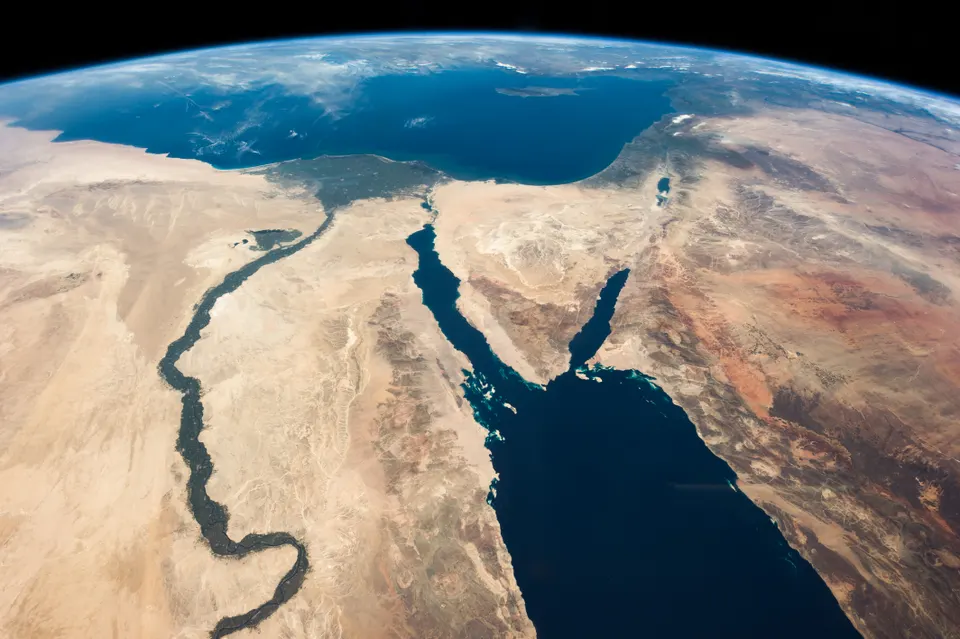
Geopolitical tensions reached a dangerous new threshold today as Houthi forces reportedly carried out their first deadly attack since the formal start of the wider Iran-US conflict. The strike, targeting a small cargo ship, resulted in the deaths of four individuals, marking a grim departure from previous operations that primarily focused on property damage or vessel seizures. This escalation by the Iranian-backed proxy group signal a shift toward more lethal engagement, raising the stakes for international shipping and naval forces operating in the Red Sea and surrounding waters.
For Iranian observers and market participants, this development is particularly alarming. The transition from disruptive tactics to lethal force suggests that the window for a diplomatic de-escalation is closing rapidly. This event directly impacts the 'risk premium' embedded in local assets. As news of the casualties spread, the Tehran market reacted with immediate volatility. The possibility of a more direct military retaliation from Western forces against proxy infrastructure is now being priced in, adding a layer of uncertainty to an already fragile regional security environment.
Market Reaction: Gold and USD Surge Amid IEA Fuel Warnings
The economic fallout of the ongoing conflict is becoming increasingly visible in global and local data. The International Energy Agency (IEA) released numbers pointing to a "two-speed" recovery in global fuel prices, where automotive diesel and gasoline costs are decoupling from the price of crude oil. Despite crude sliding throughout the summer, diesel prices have risen roughly 14% since February. This trend is exacerbating inflationary pressures globally, making the cost of transport and logistics a persistent headache for central banks and consumers alike.
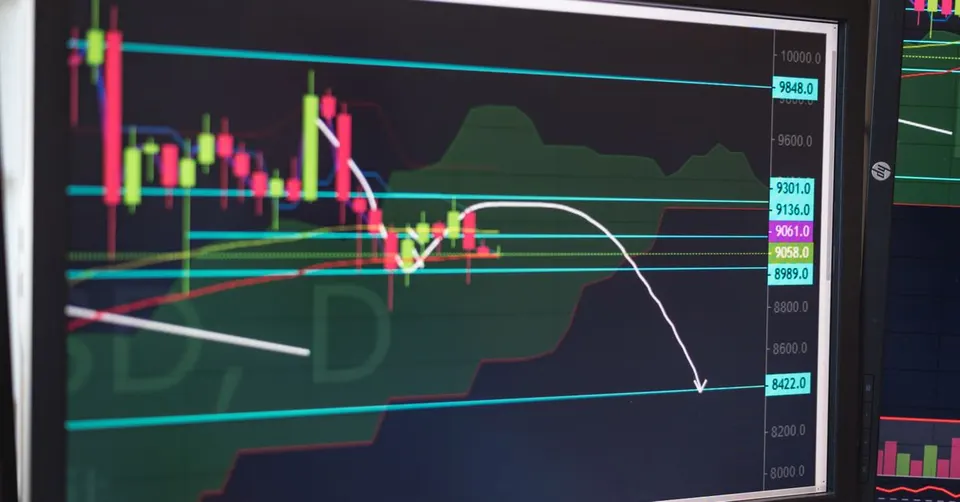
In Tehran, the impact was felt instantly across the board. The USD/IRR exchange rate moved from 185,200 to 187,800, marking a 1.4% increase in just 24 hours. The precious metals market saw even more aggressive moves; Gold 18k per gram jumped from 18,791,264 to 19,183,711 (+2.1%), while the Emami coin rose from 186,500,000 to 189,500,000 (+1.6%). These figures reflect a flight to safety as investors abandon the Toman in favor of hard assets, fearing that the recent Houthi fatalities will trigger a new round of sanctions or military action.
Ethics and Environment: Alito’s Oil Interests and Global Waste
While the Middle East dominates the headlines, other significant stories are shaping the long-term geopolitical and environmental landscape. A new analysis has revealed that US Supreme Court Justice Samuel Alito gained up to $2.9 million from oil and gas assets since joining the court. This disclosure has sparked fresh debates regarding judicial ethics and the potential for conflicts of interest in upcoming climate-related cases. Critics argue that such financial ties undermine the court's impartiality, especially as it prepares to rule on cases that could fundamentally alter the regulatory environment for fossil fuel companies.
On the other side of the globe, the Philippines is grappling with a different kind of crisis as a tide of rubbish has blanketed rivers in Manila following heavy rains. This environmental disaster highlights the ongoing struggle with waste management in rapidly developing urban centers and the vulnerability of infrastructure to extreme weather events. While these stories may seem secondary to the immediate threat of war, they represent the underlying structural challenges—from ethical governance to environmental resilience—that will define the global order long after the current military conflicts have subsided.
Frequently Asked Questions
Why did gold prices in Tehran jump by 2.1% today?
What is the significance of the Luigi Mangione court appearance?
How can fuel prices rise if crude oil prices are falling?
What was the result of the Houthi attack on the cargo ship?
Understanding Safe-Haven Assets Amidst Geopolitical Turmoil
In times of heightened global uncertainty, investors and ordinary citizens often seek refuge in what are known as safe-haven assets. These are investments that are expected to retain or even increase in value during periods of market turbulence, economic instability, or geopolitical crises. Unlike riskier assets such as stocks or certain currencies, safe havens are perceived as reliable stores of wealth, offering a sense of security when traditional markets face significant headwinds.
Among the various safe-haven assets, gold stands out as the quintessential example. Its appeal stems from a long history as a store of value, its tangible nature, and its universal acceptance across cultures and economies. Gold is not tied to the fiscal health of any single government or the monetary policy of a specific central bank, making it an independent and trusted asset when confidence in fiat currencies or financial systems wavers. This intrinsic value and independence are key to its role during crises.
The recent surge in gold prices in Tehran, as highlighted by the news, perfectly illustrates this phenomenon. Events such as the Houthi Red Sea attacks and broader Iran-US tensions significantly amplify regional and global geopolitical risks. Such instability often leads to a decrease in confidence in local currencies—like the Iranian Rial (IRR) against the US Dollar (USD)—and a flight of capital towards more stable assets. For many, gold becomes the preferred hedge against potential economic shocks and currency depreciation.
When geopolitical risks escalate, investors typically sell off assets perceived as more volatile or exposed to risk, and instead, funnel their capital into safe havens. This increased demand for gold, driven by both institutional investors and individuals seeking to preserve their purchasing power, directly contributes to its price appreciation. Thus, a surging gold price in a region experiencing geopolitical stress is a clear indicator of heightened risk perception and a collective desire to safeguard wealth.
Topics
Related Articles