
Houthi Strike Kills 4 as Red Sea Tensions Flare; Brent Eyes $100 Amid Hormuz Crisis
حمله حوثیها به دریای سرخ با ۴ کشته؛ نفت برنت در آستانه ۱۰۰ دلار با تشدید بحران هرمز
A deadly Houthi attack on a cargo ship has reignited fears of a wider regional conflict, pushing oil prices toward triple digits and the Toman to new lows. Meanwhile, global markets remain at a 'stop light' as traders await critical US inflation data and watch record-breaking heatwaves disrupt European energy.
At time of publishing
USD
187,800
Toman
Gold 18K
19.09M
Toman / gram
Bitcoin
$63,815
US Dollar
Tether
187,699
Toman
Deadly Strike in Bab al-Mandab Rattles Global Shipping
The Yemeni government has confirmed that a Houthi missile strike on a commercial vessel in the Red Sea has killed four crew members. The ship, which was reportedly carrying essential food supplies toward the Bab al-Mandab Strait, represents a significant escalation in the ongoing maritime conflict. While the Iran-backed Houthi movement has not yet officially claimed responsibility, the timing and location of the attack have sent immediate shockwaves through the insurance and shipping industries. This incident marks one of the deadliest strikes on civilian shipping since the start of the regional tensions, underscoring the extreme vulnerability of global trade routes.
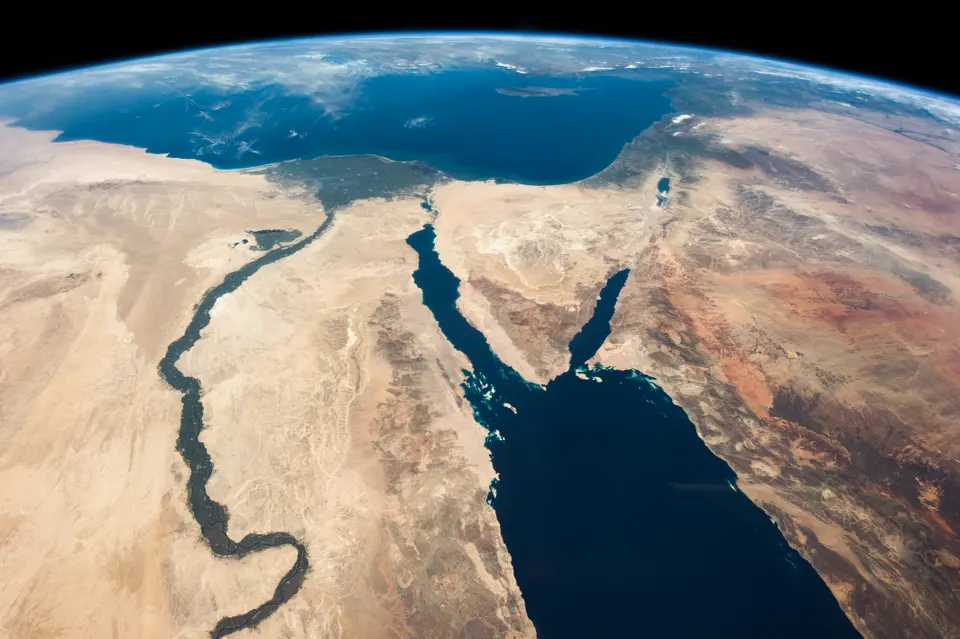
For Iranian markets, this escalation is not merely a geopolitical footnote; it is a primary driver of the current currency volatility. The USD/IRR rate has already climbed from 185,200 to 187,800 (+1.4%) in just 24 hours as traders price in the risk of further naval confrontations. If the Bab al-Mandab Strait becomes effectively impassable for non-escorted vessels, the resulting surge in freight costs and insurance premiums will inevitably feed into Iranian domestic inflation, particularly for imported goods that are already under pressure from existing sanctions.
Brent Crude Targets $100 as Hormuz Crisis Intensifies
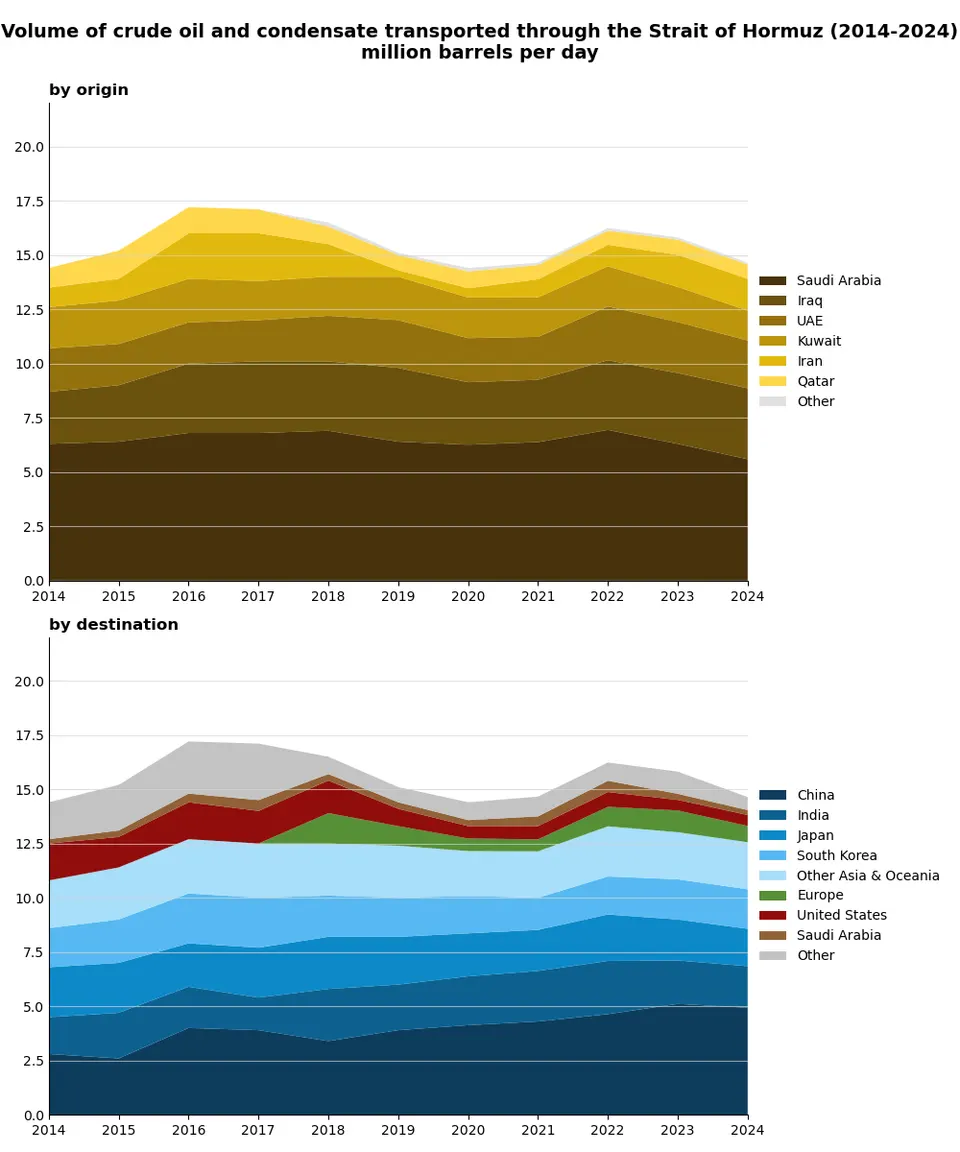
Energy markets are reacting sharply to the deteriorating security situation in the Middle East, with analysts now warning that Brent crude could hit the $100 per barrel mark. This surge is driven by a "double whammy" of supply fears: the ongoing Houthi attacks in the Red Sea and a burgeoning crisis in the Strait of Hormuz. As Iranian oil exports face new logistical hurdles and potential collapse, the global supply of crude is tightening at a time when Chinese refineries are expected to increase their drawdowns. The price of Brent has already pushed toward $87, and any further disruption in Hormuz—the world's most critical oil chokepoint—could trigger a parabolic move in energy prices.
This energy spike is having a direct impact on the Tehran gold market. Gold 18k/gram has risen to 19,091,370 Toman (+1.6%), while the Emami coin has jumped to 189,500,000 Toman. Investors are fleeing to gold as a hedge against both regional instability and the potential for a global energy-driven inflation shock. The "Hormuz Crisis" narrative is currently the most potent force in the market, overshadowing traditional economic indicators and forcing even the most conservative traders to re-evaluate their risk exposure in the Persian Gulf.
Global Markets at a "Stop Light" Amid Heatwaves and Inflation
While the Middle East burns with geopolitical tension, the rest of the world is grappling with literal heat and economic uncertainty. Wall Street currently sits at what analysts call a "stop light," with trading volumes thinning out ahead of Wednesday’s critical US CPI report. The Federal Reserve's next move on interest rates hinges on whether inflation is truly slowing or if the recent labor market cooling was a statistical anomaly. Bitcoin has mirrored this cautious sentiment, slipping toward $64,000 as traders hedge their bets. Despite the broader stagnation, crypto-friendly bank Erebor is reportedly in talks to raise $1.5 billion at a nearly $10 billion valuation, suggesting that capital is still flowing into infrastructure even as spot prices stall.

Simultaneously, a record-breaking heatwave is paralyzing parts of Europe and East Asia, creating a new set of economic challenges. The UK is on track for its hottest summer on record, with temperatures reaching 38C, while France has been forced to cut its nuclear power output by 7.3 GW because river waters are too warm to cool the reactors. This has caused French power prices to jump by 22% in a single morning. In response, East Asian tech firms are rolling out "heat-fighting gadgets," including air-conditioned vests and semiconductor-based fans, as governments realize that climate adaptation is no longer an option but a fiscal necessity for maintaining industrial productivity. Regulatory eyes are also turning toward Washington, where a group of influential Democrat women in Congress are poised to take lead roles in shaping future crypto legislation, adding another layer of long-term uncertainty for digital asset markets.
Watch
Video shows damage to Red Sea port town after Houthi attack kills 7
Associated Press
Frequently Asked Questions
Why did the Houthi attack on a food supply ship cause a spike in the Toman?
How can a heatwave in France affect global energy markets?
What is the 'Stop Light' phase mentioned by Wall Street analysts?
Strategic Chokepoints and Global Oil Prices
Global energy markets are intricately linked to a few critical maritime passages known as strategic chokepoints. These narrow waterways are essential for the safe and efficient transport of vast quantities of crude oil and refined petroleum products. The Strait of Hormuz, connecting the Persian Gulf to the open ocean, and the Bab el-Mandeb Strait (leading to the Red Sea and Suez Canal) are prime examples. Together, they facilitate the passage of a significant portion of the world's seaborne oil trade, making them indispensable arteries for global energy supply.
When tensions flare or conflicts erupt in proximity to these chokepoints, the flow of oil can be severely disrupted. For instance, the recent Houthi strikes in the Red Sea and any potential crisis in the Strait of Hormuz immediately raise concerns about the security of shipping. Such events can lead to delays, diversions, or even outright blockades, reducing the effective supply of oil reaching global markets. The threat of disruption alone is often enough to trigger market reactions, as traders anticipate potential shortages.
This anticipated reduction in supply, coupled with increased geopolitical risk, directly impacts global oil prices. Benchmark crudes like Brent, which is referenced in the headline, tend to rise sharply. This surge is driven by basic supply-demand economics: less oil available or a higher risk of future unavailability means buyers are willing to pay more. Additionally, a "risk premium" is often added to the price, reflecting the uncertainty and potential for future escalation, which can push prices towards higher thresholds like the $100 mark mentioned.
Beyond immediate price hikes, disruptions at strategic chokepoints have far-reaching economic consequences. Higher oil prices translate to increased costs for transportation, manufacturing, and consumer goods globally, potentially fueling inflation and slowing economic growth. For energy-importing nations, this can strain national budgets and create energy security challenges, prompting governments and industries to consider diversifying supply routes or investing in alternative energy sources to mitigate future vulnerabilities.
Topics
Related Articles